





Market
Biomass Processing
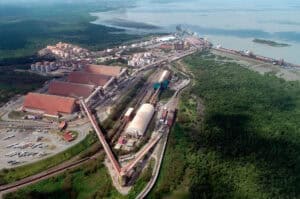
Bulk biomass processing converts large volumes of organic materials, such as agricultural residues, wood chips, energy crops, and organic waste, into biofuels, biochemicals, and bio-based materials through mechanical, thermal, chemical, and biological methods. Handling biomass in bulk is challenging due to variable composition, moisture, and flow characteristics, requiring robust storage, conveying, size reduction, drying, and controlled feeding systems for consistent quality and safe, high-throughput operation.
All articles in this market
Biomass Processing — page 1 of 1








Promoted videos
Biomass Processing in action
Questions from the field
Asked by plant operators and engineers, answered by named experts.
No questions here yet. Ask the first one.
Ask the Expert
Ask a biomass processing expert — free
Engineers and product specialists who answer technical questions from readers. The answer comes back to you by e-mail; when we publish it, other readers benefit too.
 Gerard van Schoten
Hethon
Gerard van Schoten is Managing Director at HETHON, a globally active specialist in powder dosing systems. With a strong technical background and…
Ask a question Andreas Harndt
Hense Wägetechnik GmbH
Weighing Expert at Hense Wägetechnik GmbH. Know-How and experience: Extensive experience in development of different types of belt scales, solid flow meters…
Ask a question Chris Harrison
Trantec Solids Handling Limited
Chris Harrison began his career by studying Mechanical Engineering and Computing at college before joining Trantec Solids Handling Ltd, where he has…
Ask a question Ron Van Ostenbridge, Jr.
Coperion
Ron has worked for Coperion K-Tron in a variety of roles for over 20 years. Ron earned his BS in Computer and…
Ask a questionMarket & Technology Focus
Biomass Processing, in depth in your inbox
Every Thursday edition takes one market or technology in depth. These are the editions on this market — read them online or get the next one by e-mail.
Subscribe to our E-newsletters
Join 36,000+ engineers, plant managers and technical buyers who follow powder and bulk solids technology with us. Free, twice a week.
Questions and answers
Frequently asked about biomass processing
What materials fall under biomass processing?
Biomass processing covers a wide range of organic bulk materials - wood chips, sawdust, agricultural residues like straw and husks, and energy crops - converted into pellets, briquettes, or other processed forms for energy or industrial use.
Why is moisture content such a persistent challenge in biomass handling?
Biomass feedstocks vary widely and unpredictably in moisture content depending on source and season, which affects flowability, bulk density, and combustion or pelleting performance - making moisture measurement and control a recurring equipment requirement.
What equipment is used to reduce biomass particle size?
Size reduction typically uses chippers for coarse material and hammer mills for finer grinding, preparing feedstock for pelleting, combustion, or further processing while managing wear from abrasive, fibrous material.
How is biomass pelleted?
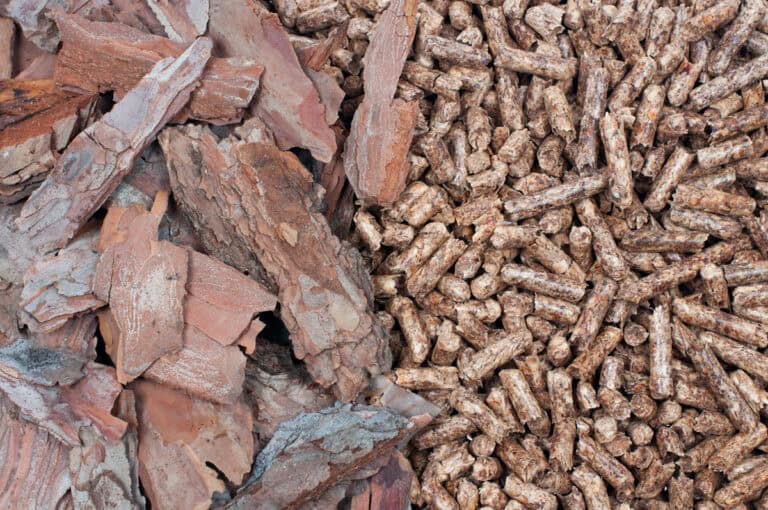
Biomass pelleting compresses ground and dried material through a die under pressure and heat, binding it into dense, uniform pellets that are easier to store, transport, and feed consistently into combustion or gasification systems.
What storage challenges are specific to biomass materials?
Irregular particle shapes and variable moisture make biomass prone to bridging, rat-holing, and inconsistent flow in bins and silos, requiring specific hopper geometry, flow aids, or agitation to keep material moving reliably.
What are the dust explosion risks in biomass processing?
Fine biomass dust generated during grinding, conveying, and pelleting is combustible, requiring explosion venting, suppression, or inerting on mills, dryers, and conveying equipment, alongside good housekeeping to limit dust accumulation.
How does feedstock variability affect biomass processing equipment?
Because biomass feedstock composition and particle size can vary batch to batch, processing equipment often needs wider operating tolerances and more flexible dosing and feeding systems than processes running a single consistent raw material.
What role does drying play in biomass processing?
Drying reduces feedstock moisture to the level needed for stable pelleting, storage, or combustion, and is one of the most energy-intensive steps in the process - making dryer efficiency and control a major operating cost factor.
What equipment moves biomass through a processing plant?
Belt and screw conveyors, along with pneumatic systems for finer material, move biomass between grinding, drying, and pelleting stages, sized to handle bulky, fibrous, and sometimes sticky material without blockages.
Why does reliable bulk handling matter for biomass energy production?
Consistent flow of variable, often difficult biomass feedstock directly determines a plant's throughput and fuel quality - equipment that can't handle the material's variability becomes the bottleneck in an otherwise viable biomass energy operation.
How do I find an equipment manufacturer for biomass processing?
Use the Manufacturers Directory A–Z or the Equipment Guide. Partner profiles carry direct contact details; other listings link to the company website.
Can I ask a technical question before I buy?
Yes. Ask the Expert puts your question to a field expert active in Biomass Processing. The answer comes back to you by e-mail; when we publish it, other readers benefit too.