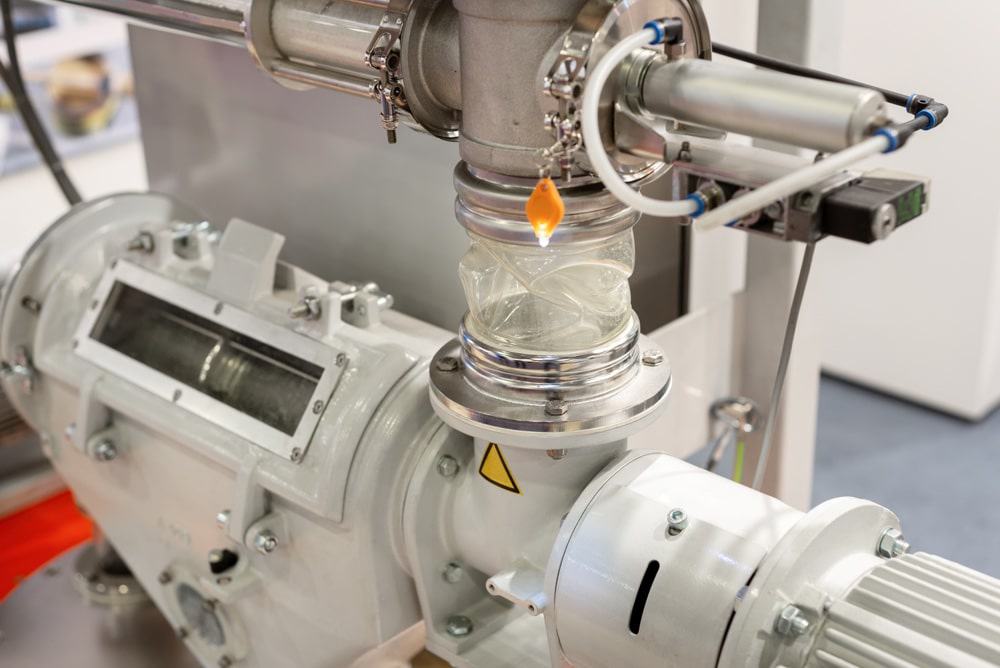

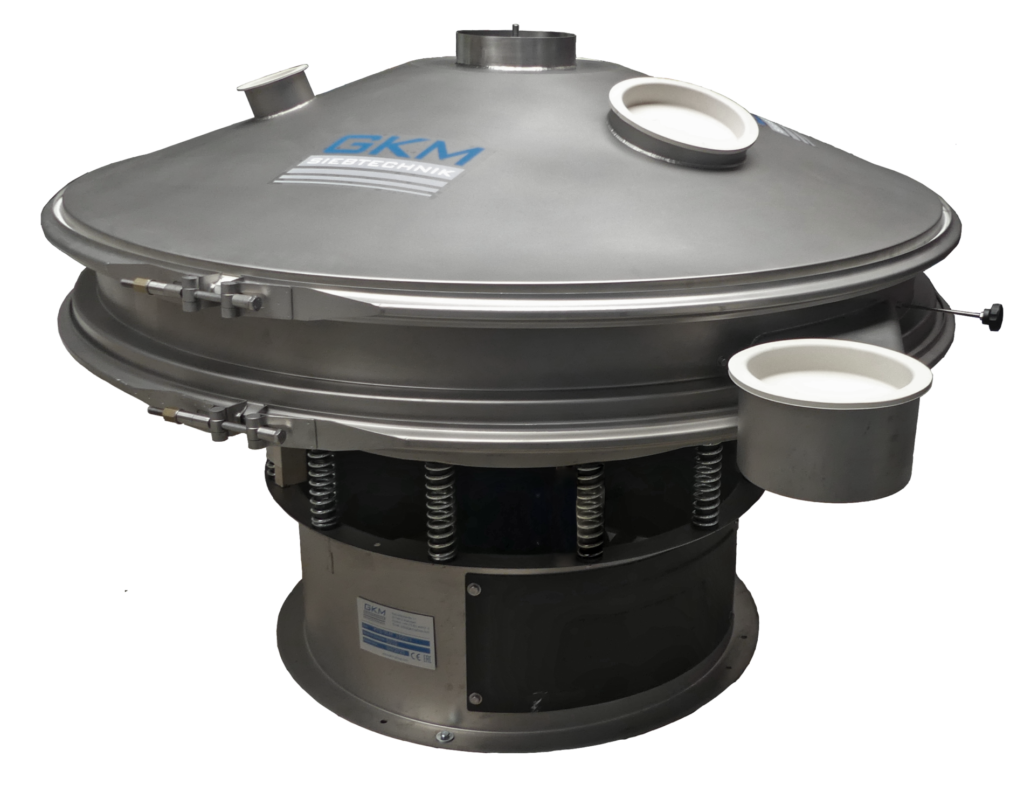
The Use of GKM Screening Machines Within PET Recycling
Plastic recycling is becoming increasingly important due to global raw material shortages and stricter environmental regulations. A key component of...
Read more
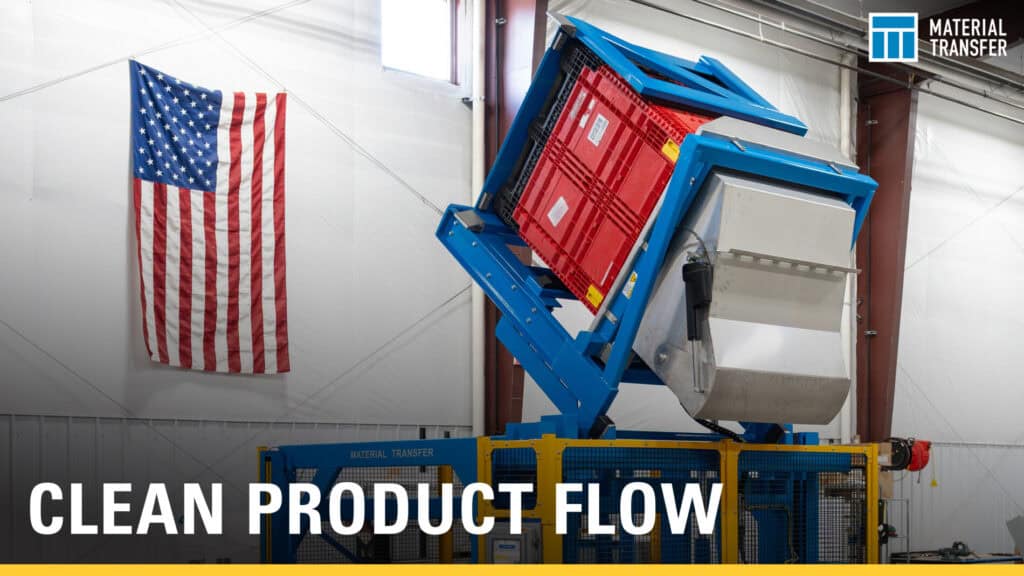
Container Dumping for Plastic Bottle Preforms | Material Transfer
Most people just see plastic bottle preforms. We see handling risk, contamination exposure, and process gaps waiting to happen.
Read more
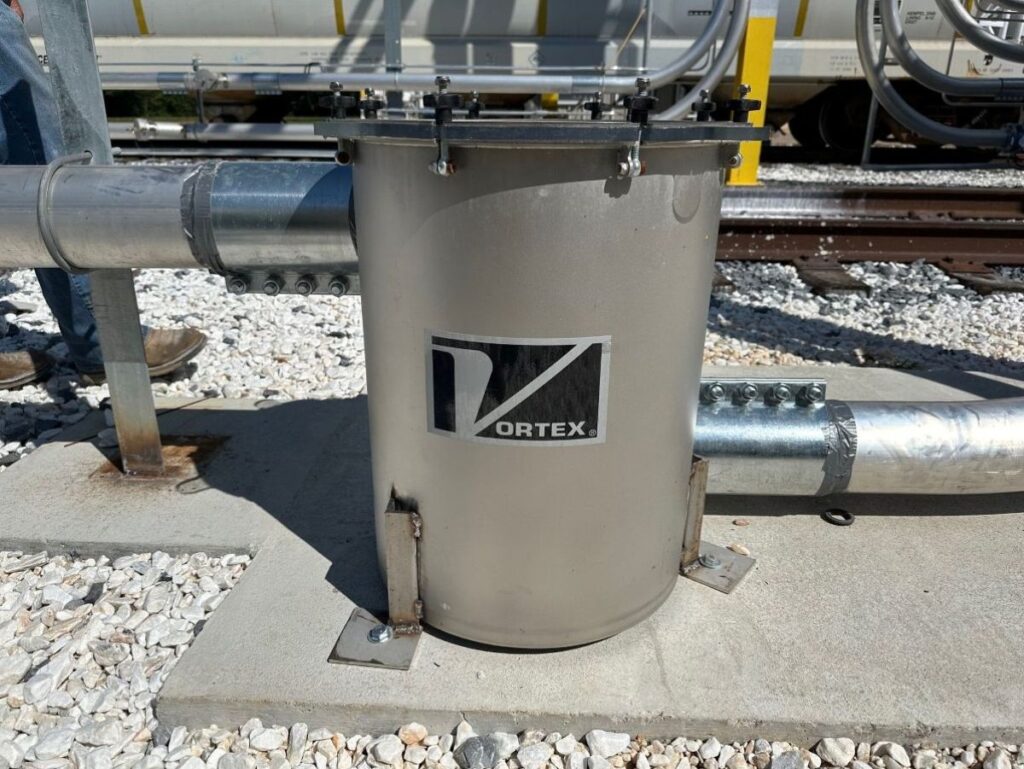
Vortex Angel Hair Trap: Enhancing Production Efficiency at a Leading Compounding Plant
A state-of-the-art compounding plant faced significant production challenges due to the formation of "angel hair" in its pneumatic conveying systems....
Read more

Low-Wear Transport of Glass Fiber Reinforced Plastic Pellets – Innovative Pneumatic Dense Phase Conveying from Gericke
The pneumatic conveying of bulk materials through pipes is a proven technology that offers numerous advantages over mechanical systems. These...
Read more
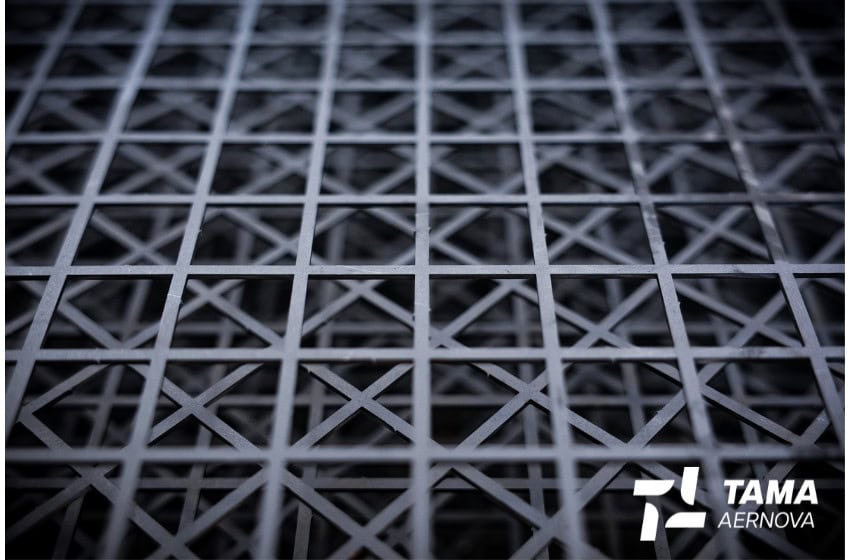
304 Stainless Steel Cylindrical Baghouse Filter: The Solution for Plastic Pneumatic Conveying
Discover the efficiency, safety, and low-maintenance benefits of the 304 stainless steel cylindrical baghouse filter, specifically adapted for the pneumatic...
Read more

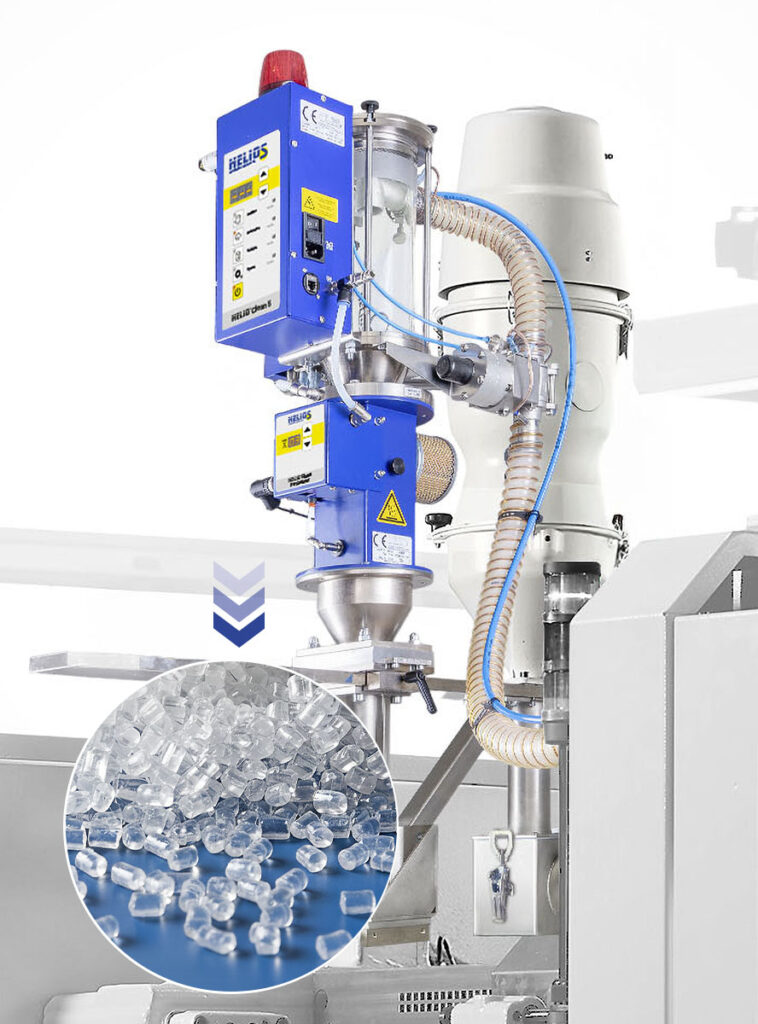
Reliable Dust Removal Thanks to the New DKM Process
HELIOS Gerätebau für Kunststofftechnik GmbH, located in Rosenheim/Germany, has announced the presentation of „HelioClean 5“ as a world first at...
Read more
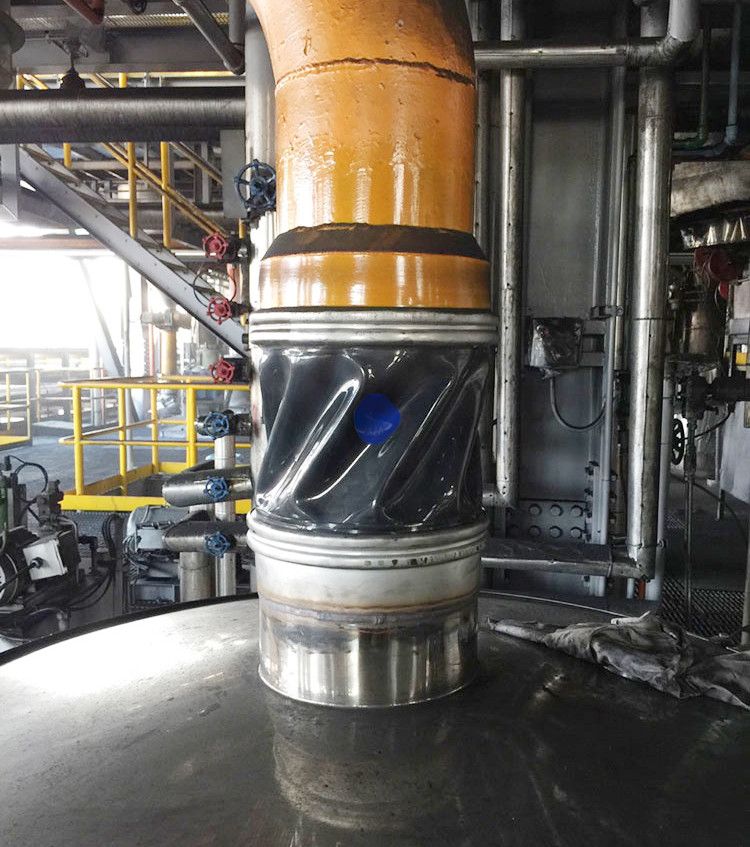
Powder Containment in Plastics & Rubber Manufacturing: How BFM® Fittings Solve Fine Dust Challenges
In plastics and rubber manufacturing, fine powder handling is unavoidable. From reinforcing fillers like carbon black to functional additives such...
Read more
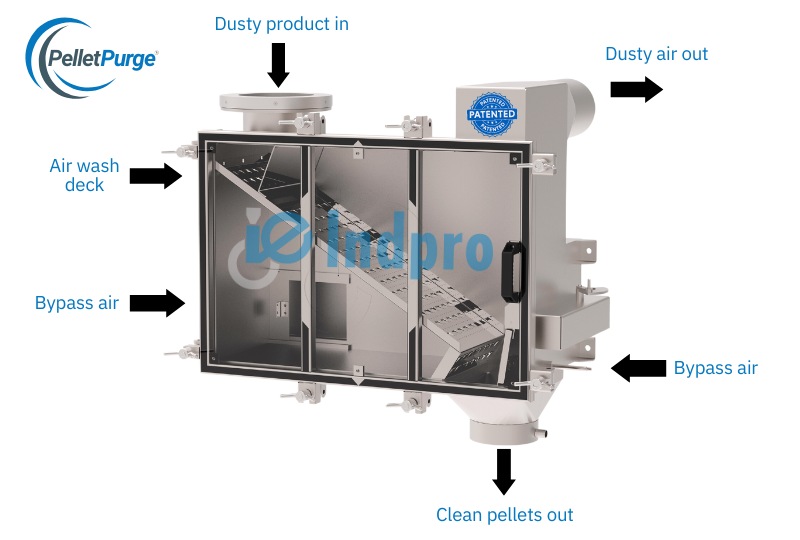
PelletPurge® – Advanced Pellet Cleaning Technology for Plastic & Polymer Industry
In the polymer and petrochemical industries, pneumatic conveying is the backbone of bulk solids handling. It enables efficient transfer of...
Read more
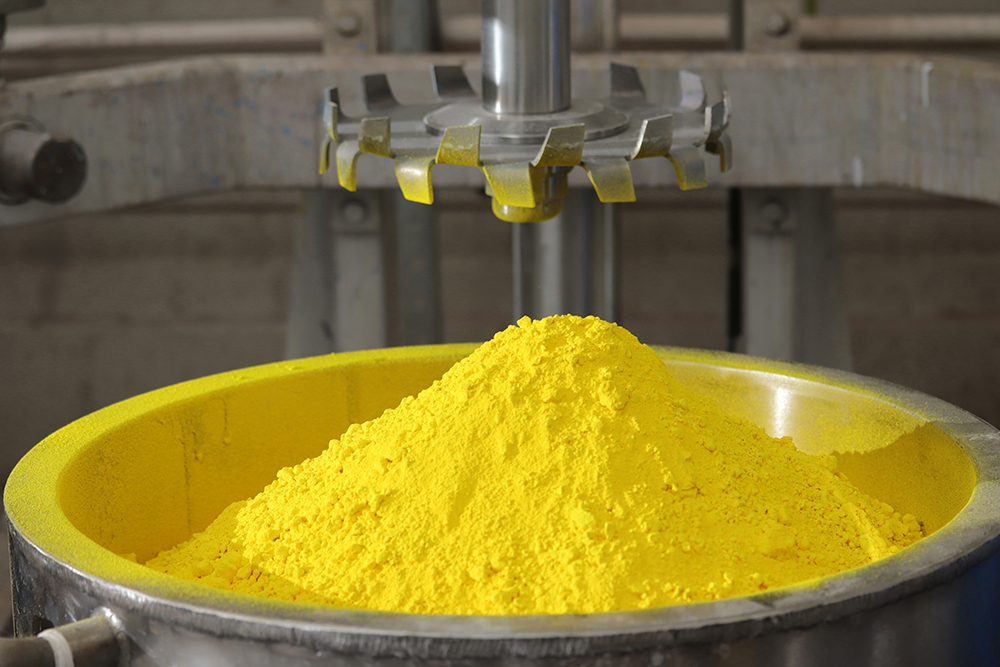
Dust Control and Explosion Safety in Plastics Manufacturing: How BFM® Fittings Help Keep Your Plant Safer
The plastics manufacturing industry requires a considerable amount of handling and processing of dry powders—whether it’s polymer resins, colour masterbatch,...
Read more
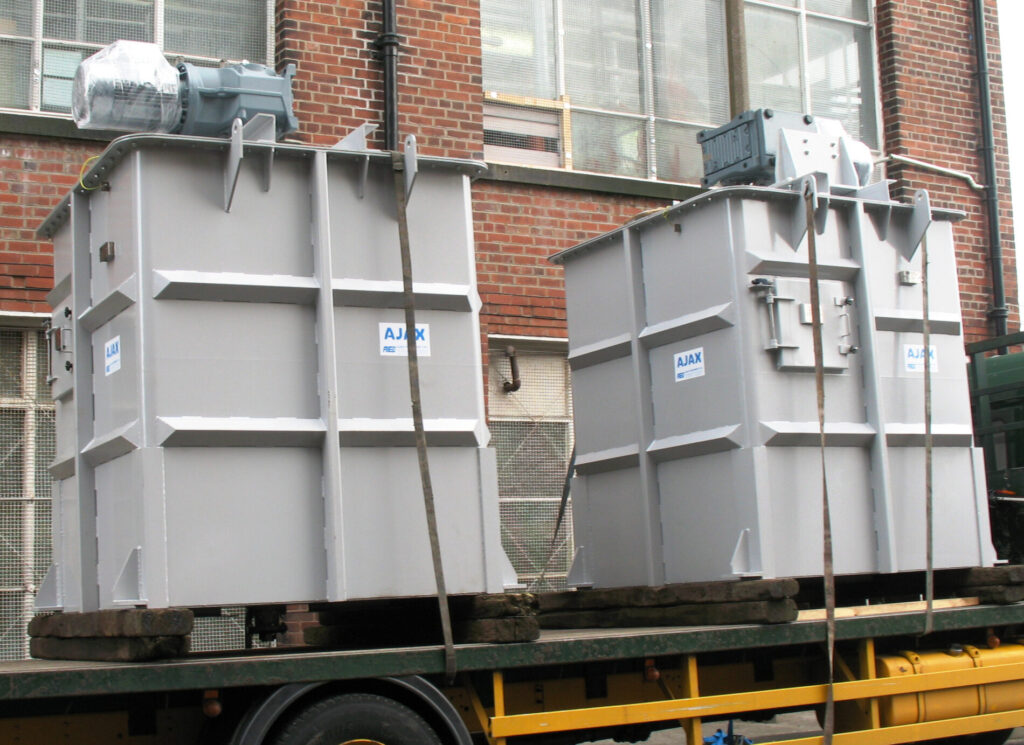
Mixing Plastic? AJAX Screw Mixers Ensure the Perfect Blend
With over 400 million tonnes of plastic produced each year, efficient material processing is essential. Key to this is ensuring...
Read more
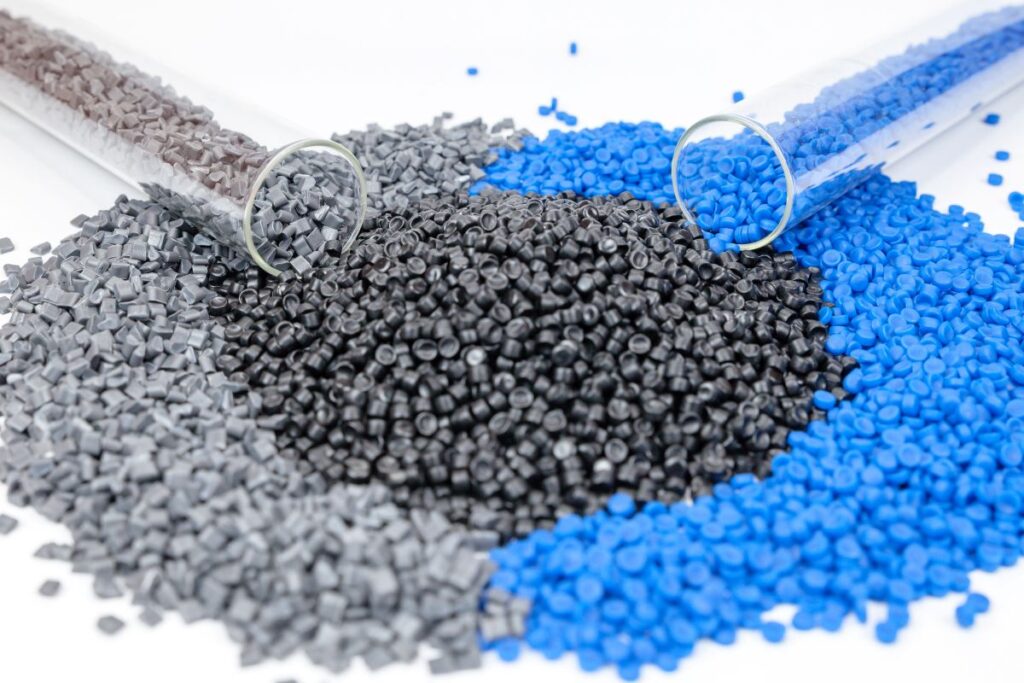
Seal Tite with Custom Inlet Handling Plastic Pellets
To address a customer’s challenge of diverting plastic pellets in a gravity flow application from one source to two destinations,...
Read more
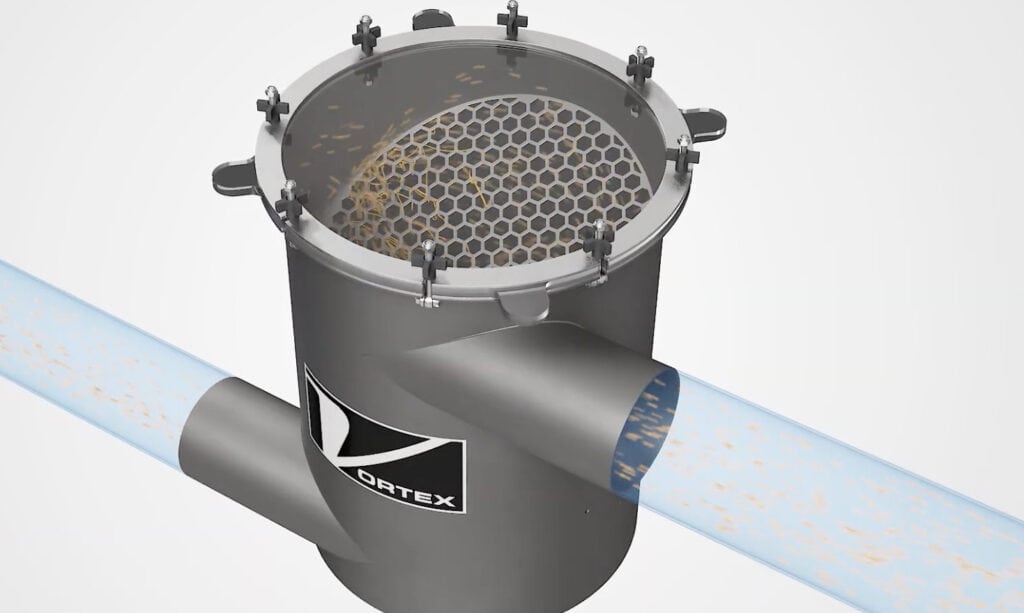
Vortex Angel Hair Trap
The Vortex® Angel Hair Trap is an essential solution for the plastic industry, expertly designed to capture long, thin strands...
Read more