


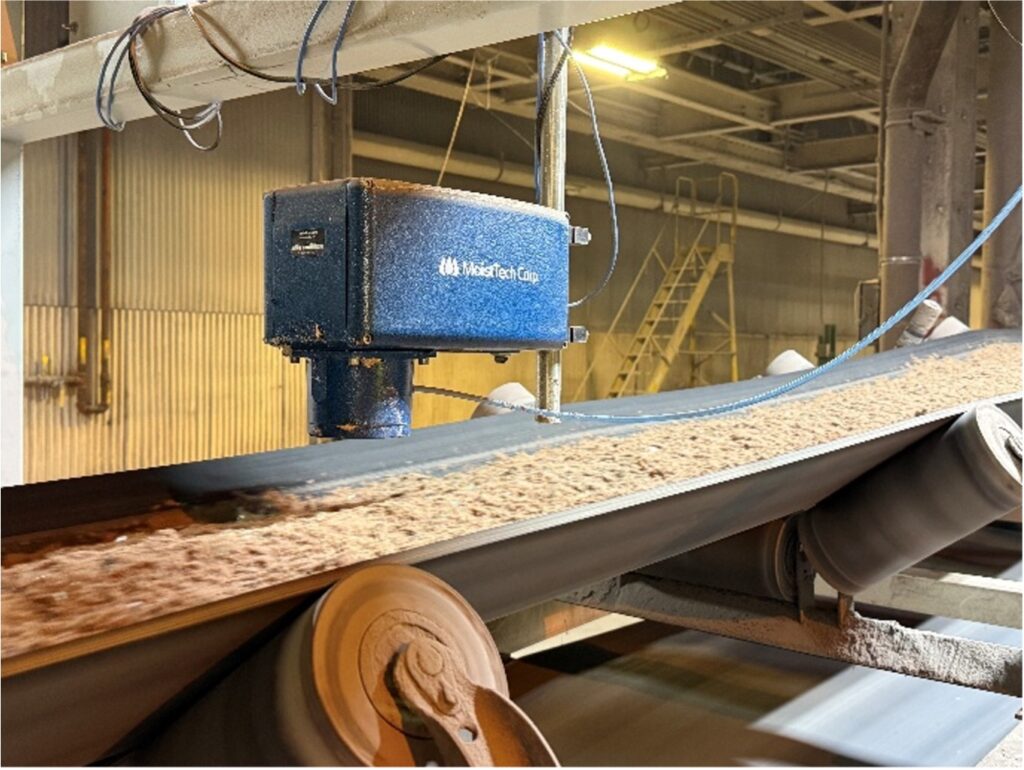
Chemicals such as fertilizers, dyes, pigments, additives, and cleaning agents often require tight humidity and moisture control to prevent deformation, clumping, and loss of performance. Inconsistent moisture can also change bulk density and flow properties, creating handling issues and downstream bottlenecks in silos, hoppers, and feeders.
Quality, Compliance, and Product Performance
For many chemical producers, moisture is directly tied to meeting tight product specifications and regulatory or customer-driven quality standards. If moisture is too high or too low, it can compromise active ingredient concentration, reaction completeness, coating uniformity, and long-term shelf life.
Maintaining optimal moisture throughout the process helps ensure each batch behaves consistently in customers’ operations, whether it is being dissolved, blended, sprayed, or applied as a coating. This consistency translates into fewer claims, reduced returns, and more predictable performance in downstream industries such as agriculture, construction, plastics, and specialty chemicals.
Safety, Fire Risk, and Equipment Protection
Improper moisture levels can also create safety and equipment risks in chemical environments. Excessively dry powders can generate dust clouds that increase the likelihood of dust explosions or fires, while certain water-reactive or “dangerous when wet” substances can emit flammable gases or ignite when exposed to moisture.
By keeping moisture within a defined target window and monitoring trends in real time, plants can reduce conditions that contribute to static buildup, dust formation, and off-gassing. This helps protect personnel, extend equipment life by reducing buildup and blockages, and support compliance with safety and environmental standards.
Energy Efficiency and Dryer Optimization
Drying is one of the most energy-intensive operations in many chemical plants, and moisture is the key control variable. Without accurate, real-time moisture data, operators often over-dry product “just to be safe,” driving up fuel usage and operating costs while risking thermal degradation of sensitive materials.
Continuous in-line moisture measurement allows tighter dryer control. Plants can hit target exit moisture instead of running with large safety margins. This optimization helps reduce energy consumption, shrink carbon footprint, and increase throughput by avoiding rework or slowdowns caused by off-spec moisture levels.
Why Real-Time Moisture Measurement Matters
Traditional lab-based moisture tests introduce delays and only provide a snapshot of process conditions at the time of sampling. In fast-moving chemical processes, moisture can change significantly between samples, making it harder to pinpoint the root cause of variability or drift.
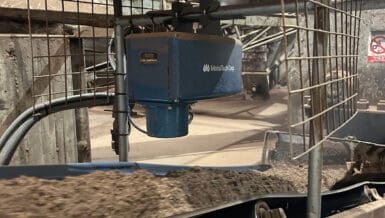
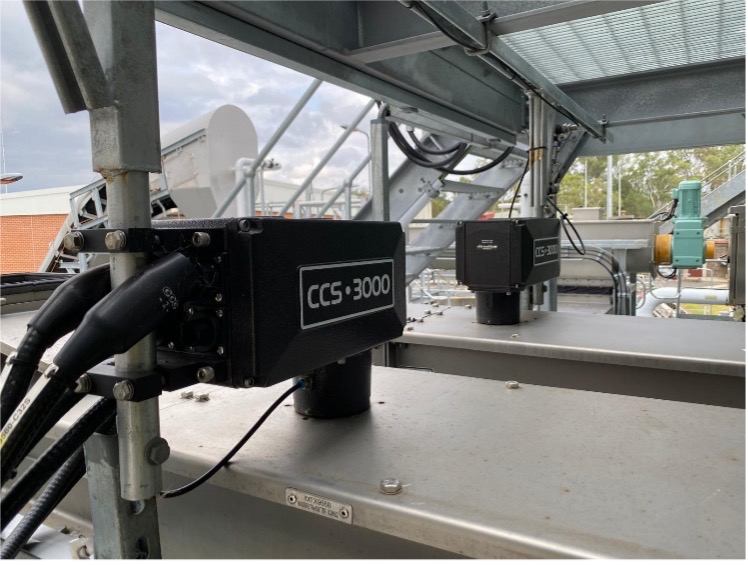
Real-time, non-contact moisture measurement with NIR technology gives operators continuous feedback so they can see trends, correct deviations immediately, and maintain process stability. This level of visibility is increasingly important as chemical producers pursue digitalization, predictive quality, and greater automation across their plants.
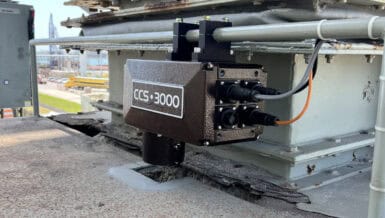
MoistTech’s near-infrared technology enables precise, continuous moisture and coating analysis across a wide range of products and raw materials. This instant and continuous measurement capability not only enhances product quality but also boosts productivity and energy efficiency, ultimately leading to reduced operational costs. One of the key advantages of the IR3000 series is its unparalleled accuracy and reliability. These sensors deliver true, repeatable results year after year with minimal maintenance.