


For many engineering teams, the initial selection of storage equipment is influenced by price. While cost efficiency is important, long-term operational reliability often proves to be the more decisive factor for plant performance.
The real cost of downtime
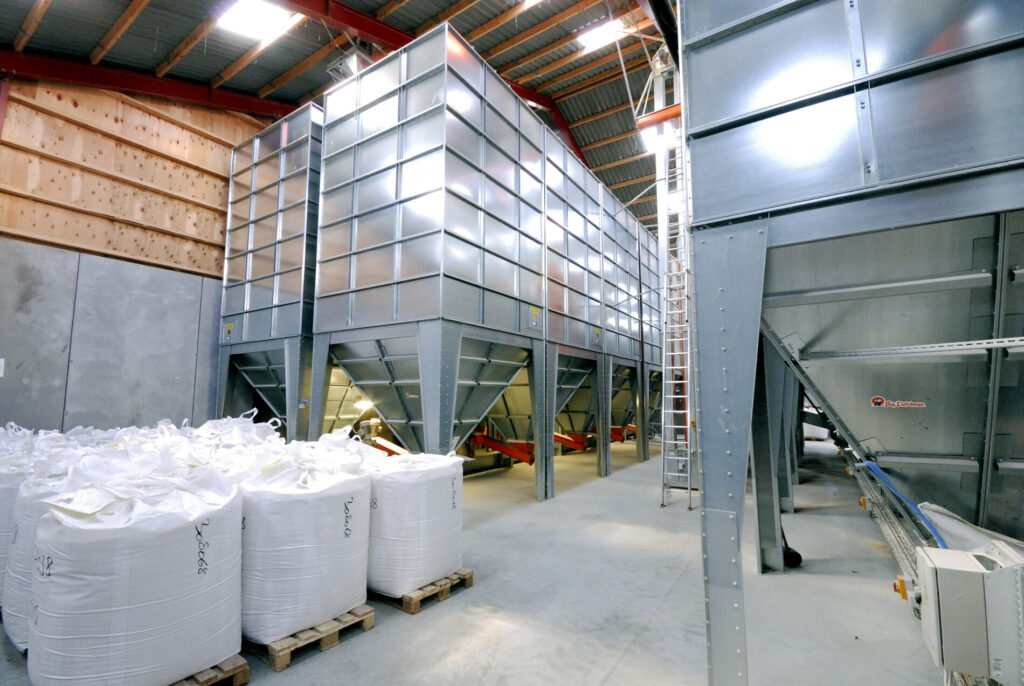
Bulk handling systems operate as integrated processes. If one component fails, the entire process may stop. In industries such as feed, plastics processing or grain handling, even a short interruption can affect production output and delivery schedules.
A silo that does not discharge material correctly, suffers structural deformation or experiences flow problems can create unexpected production stops. When this happens, the cost of downtime quickly exceeds any savings achieved by choosing a lower-cost component during the procurement phase.
For this reason, many engineers increasingly evaluate storage solutions based on long-term operational performance rather than only on the purchase price.
Reliability as a design principle
- Reliable silo systems are typically the result of several design priorities:
- robust structural engineering
- predictable material flow behaviour
- consistent manufacturing quality
- clear documentation and installation procedures
When these elements are combined, the result is a storage solution that performs consistently over time.
In many process industries, silos remain in operation for decades. It is therefore not unusual for engineering decisions made during plant construction to influence operational reliability for 15–20 years or more.
Standardisation improves predictability
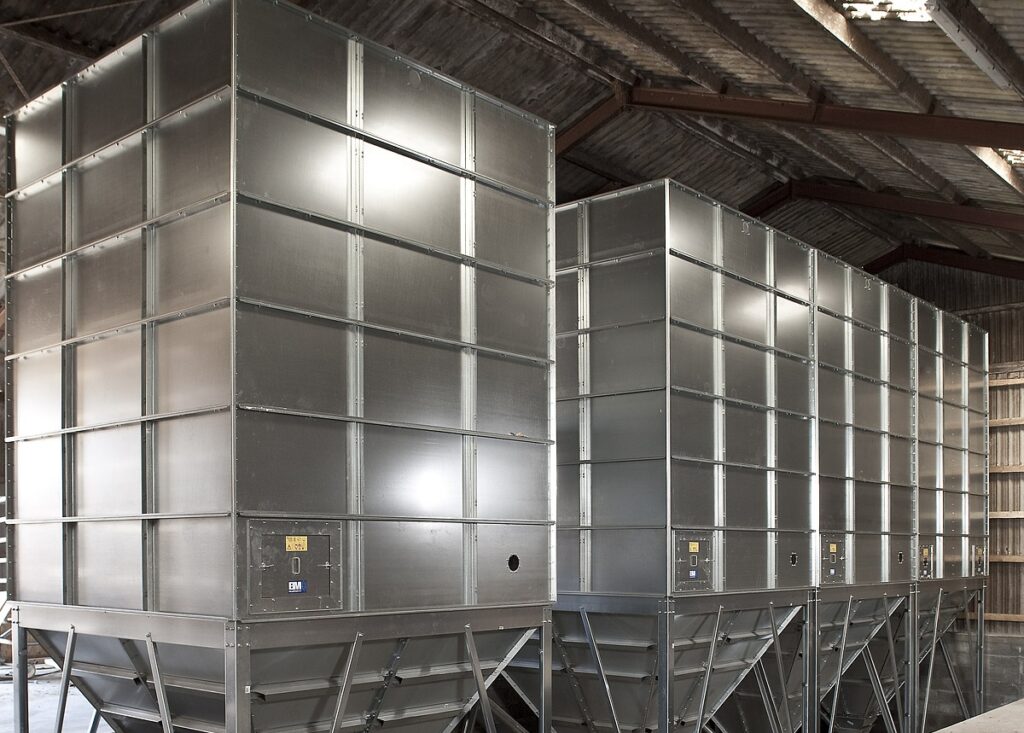
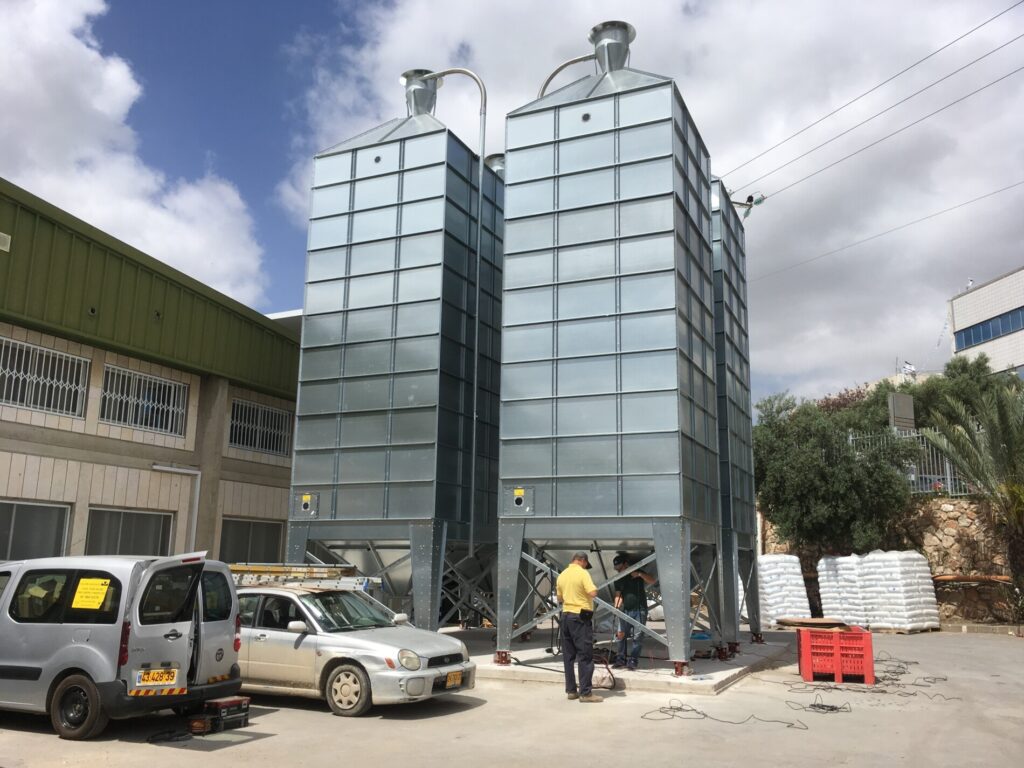
One approach that has proven effective in many projects is the use of standardised silo designs.
Standardisation does not necessarily mean limited flexibility. Instead, it allows engineering teams to work with designs that have already been tested in multiple applications. This reduces uncertainty during both installation and operation.
Standardised systems typically offer advantages such as:
- predictable performance
- shorter engineering time
- easier documentation and compliance
- simpler spare parts management
In many cases, smaller project adjustments can be handled through configurable options rather than completely new designs.
The engineering perspective
For engineers responsible for plant design, the key question is often not which silo is cheapest, but rather:
Which solution will perform reliably within the process environment over the next 10–20 years?
When storage equipment performs consistently, it contributes to stable process operation, lower maintenance costs and fewer unexpected interruptions.
Ultimately, reliability becomes a strategic factor in plant design. In bulk material handling, the true value of storage equipment is often measured not on the day it is installed, but in the years of uninterrupted operation that follow.