


In this context, modular equipment design has become an important strategy for reducing logistical complexity.
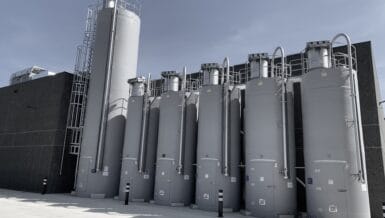
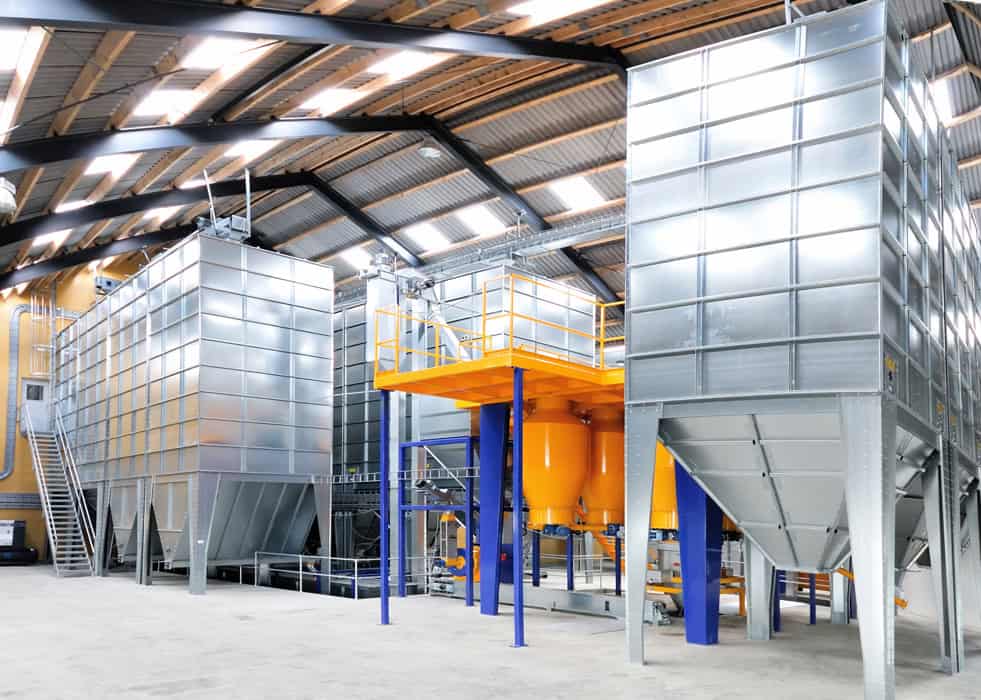
One example where modular thinking has proven particularly effective is silo design.
The logistics challenge
Traditional silo structures are often large welded units that must be transported as complete assemblies. While this approach can work well for local projects, it can create significant logistical challenges when equipment must be transported internationally.
Oversized loads may require:
- special transport permits
- complex handling during shipping
- additional site preparation
- higher transportation costs
For projects located far from the manufacturing facility, these factors can become a significant part of the overall project cost.
The modular approach
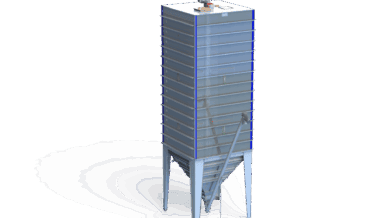
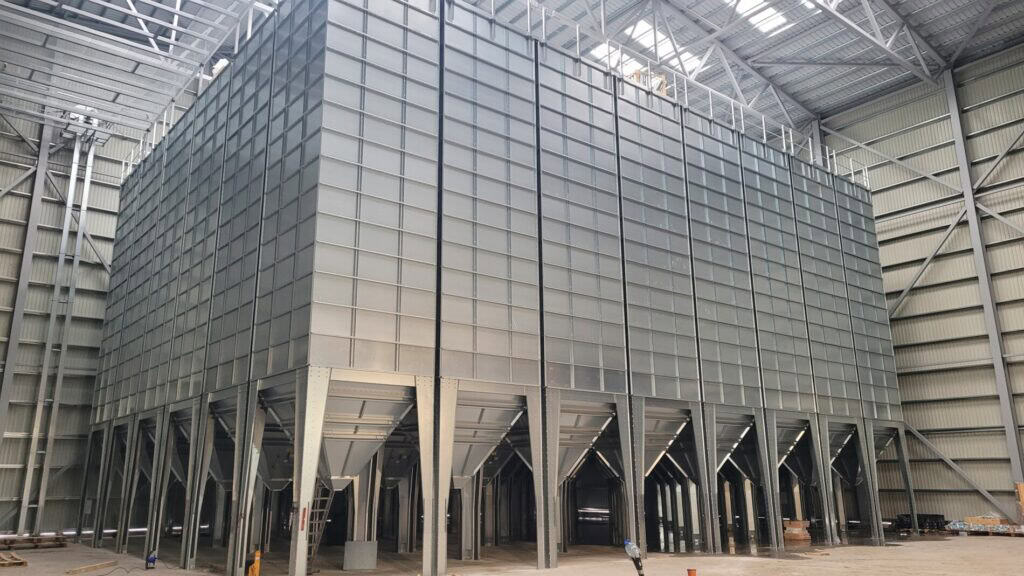
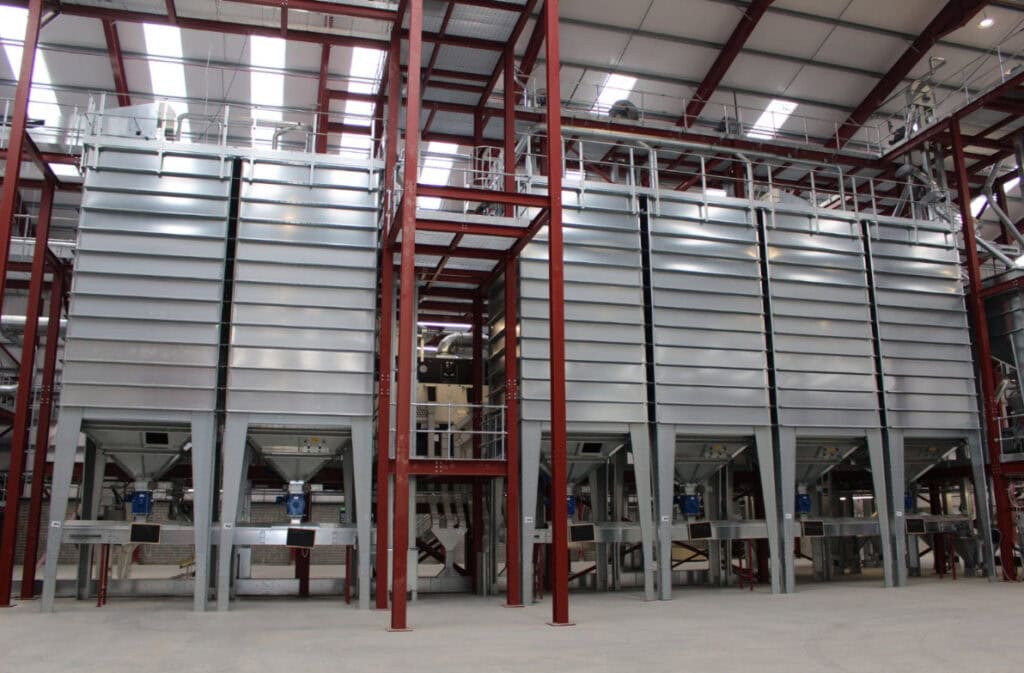
Modular silo systems address this challenge by dividing the structure into engineered components that can be transported efficiently and assembled on site.
Typically, modular systems consist of:
- prefabricated panels or sections
- standardized connection points
- modular support structures
- transport-optimised packaging
This approach allows large storage capacities to be delivered in compact shipping volumes.
In many cases, modular silo systems can be transported in standard containers, significantly simplifying global logistics.
Benefits for international projects
For engineering contractors working on international installations, modular silo design can offer several advantages.
Improved transport efficiency
Flat-pack systems make it possible to ship more storage capacity within a single container.
Reduced project risk
Standardised modules reduce the likelihood of transport damage compared to large welded structures.
Flexible installation
Components can often be assembled in locations where access for large cranes or oversized transport would be difficult.
Scalability
Modular designs allow engineers to adapt storage capacity by combining standard modules.
Engineering considerations
Of course, modular construction requires careful engineering to ensure structural integrity. The connections between modules must be designed to maintain strength and stability under operational loads.
Modern modular silo systems therefore rely on precise manufacturing and well-defined assembly procedures. When properly engineered, modular solutions can provide structural performance comparable to fully welded designs.
Supporting global supply chains
As bulk material handling projects become increasingly international, modular equipment concepts are gaining importance.
By combining structural engineering with logistical efficiency, modular silo systems help project developers reduce transport challenges while maintaining high levels of operational reliability.
In global projects, engineering innovation is not only about the performance of the equipment itself. It is also about how effectively that equipment can be delivered, installed and integrated into complex process environments.