Cleaner by Design: Where Bulk Solids Hygiene Is Headed
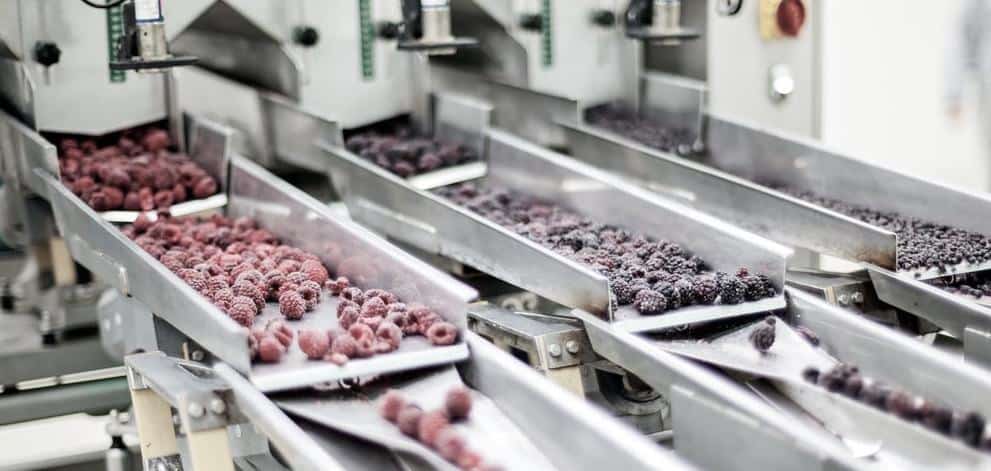
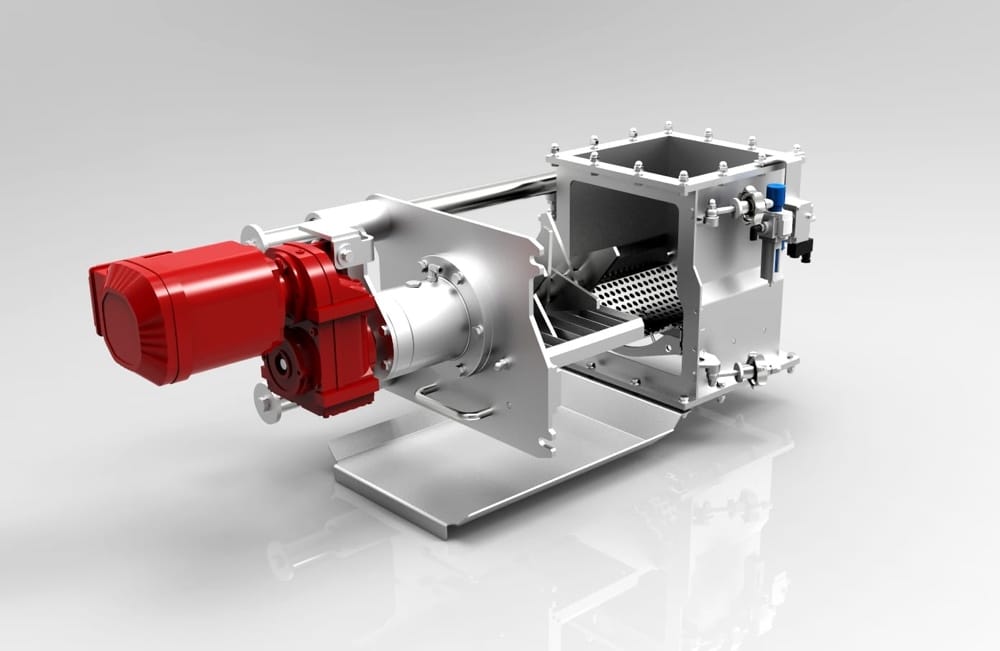
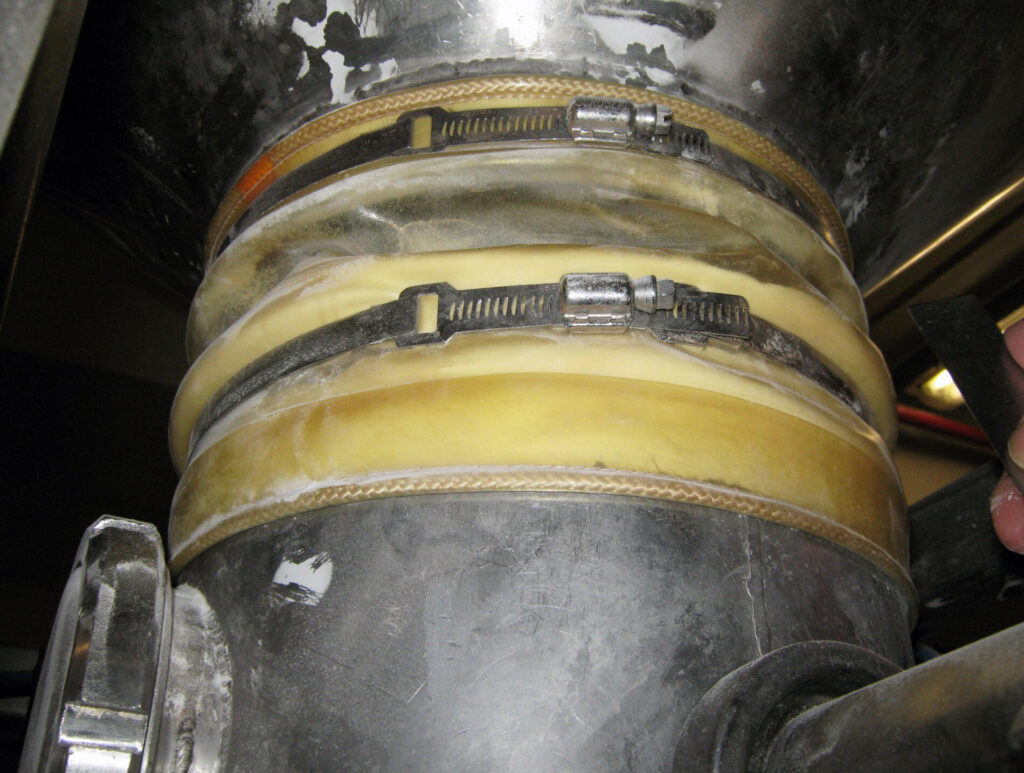
Historically, strict hygienic design standards were heavily biased toward liquid processing. A decade or two ago, guidelines from organizations like...
Read more
Food Processing Bulk Material Handling, MAXimized by VAC-U-MAX
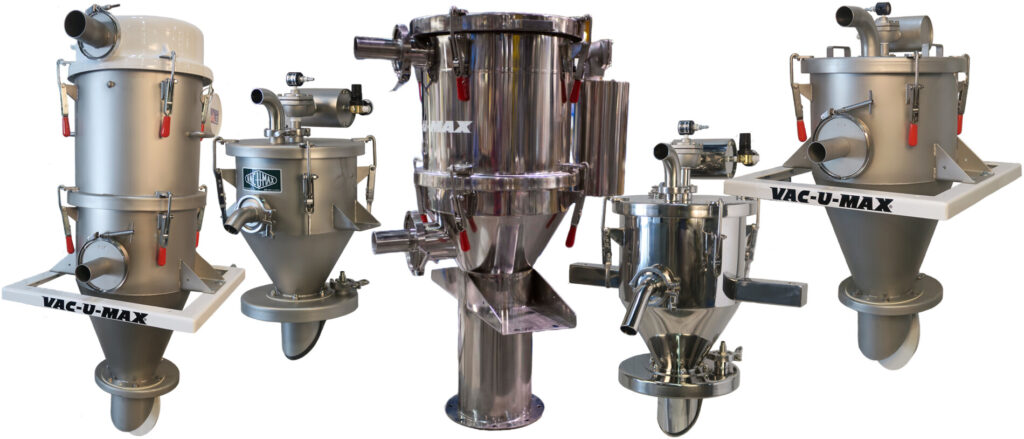
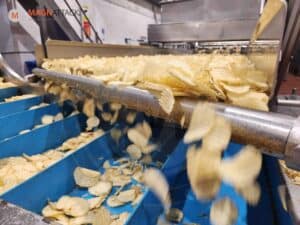
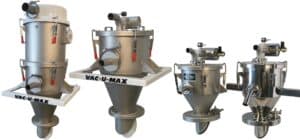
In food processing, every ingredient movement matters. From the first bag of flour opened at the start of a shift...
Read more
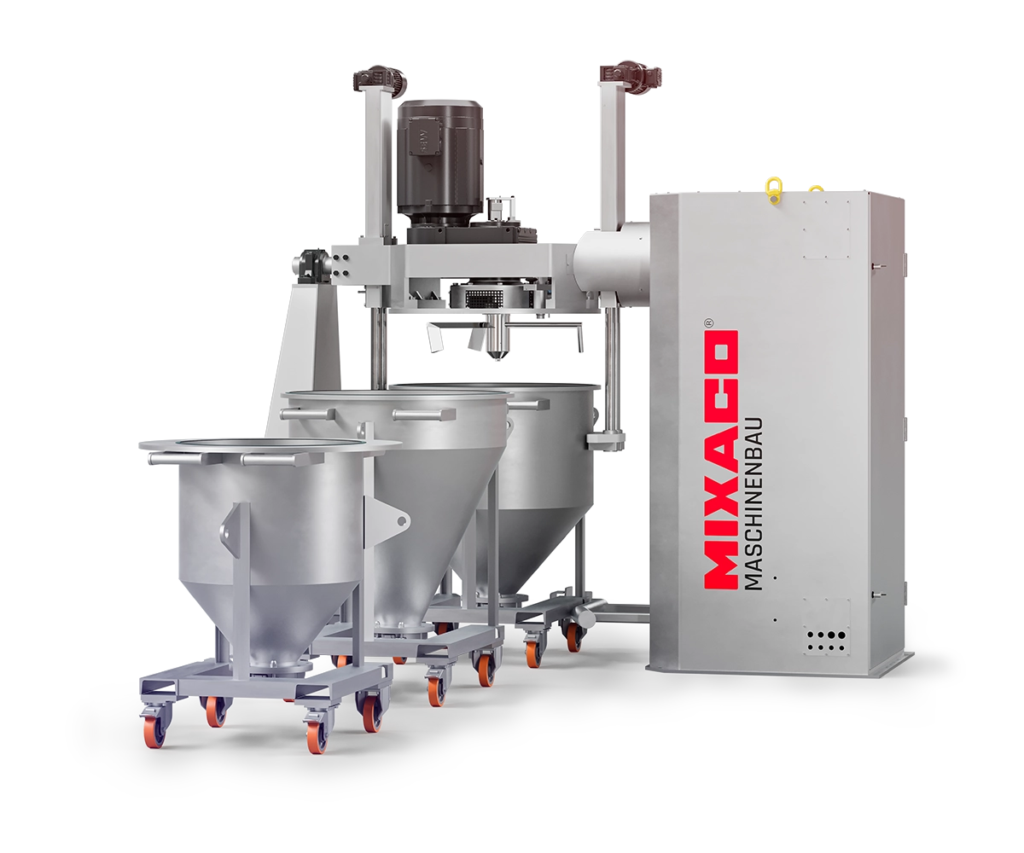
MIXACO Food Grade Mixers
Consumers expect more than ever from food products today. Safety, quality and consistency are no longer optional, but essential. At...
Read more
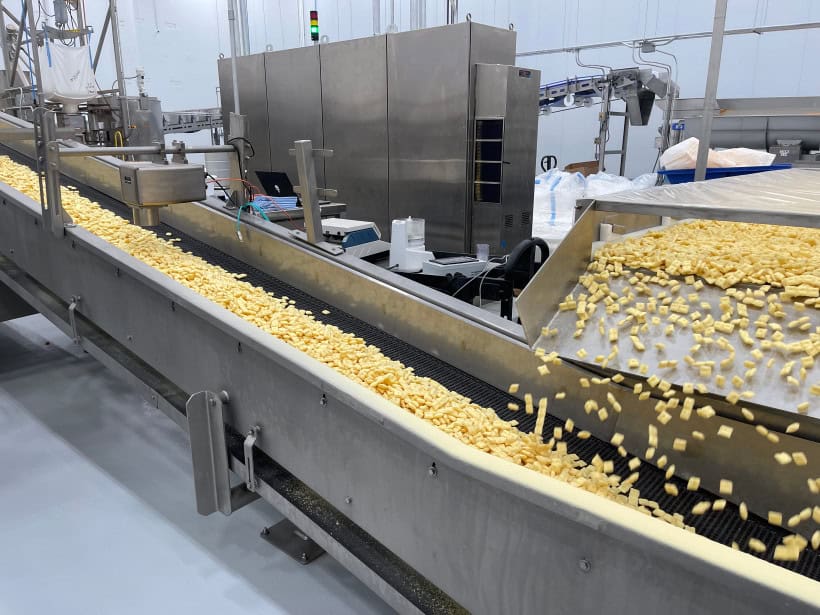
Moisture Control is a Crucial Step in Quality Food Processing: MoistTech Represents the Diamond Standard
Moisture is important in any manufacturing process, but when it comes to food processing, excess moisture can ruin products and...
Read more
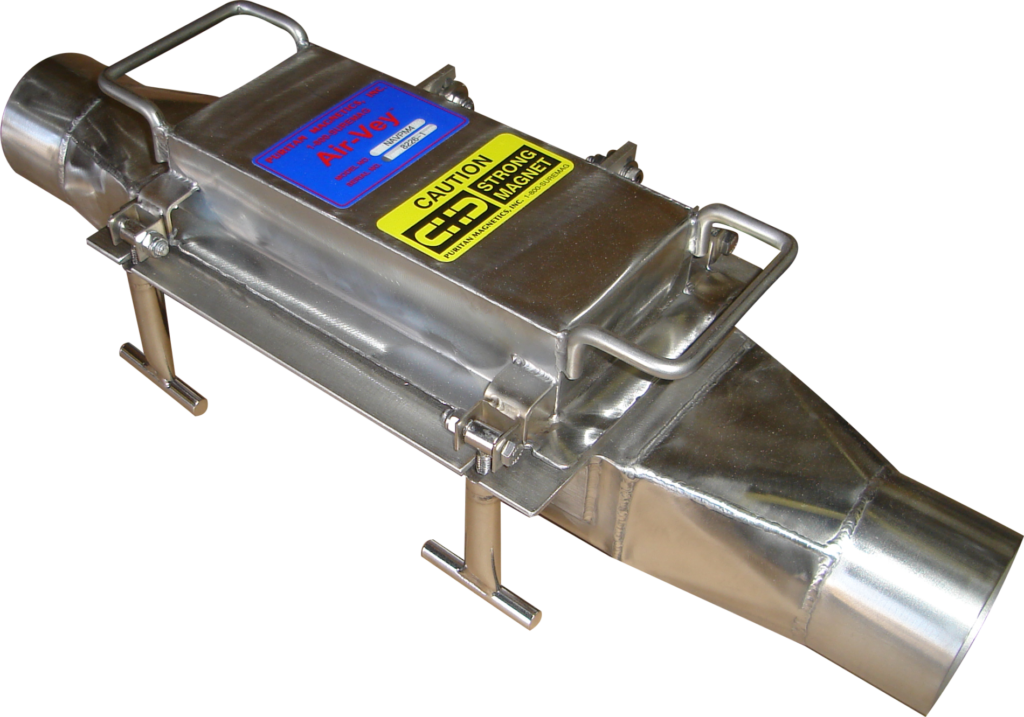
Puritan Magnetics Inc. Air-Vey Magnets: Engineered Protection for Food Processing Excellence
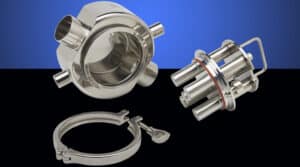
In modern food processing, maintaining product integrity and protecting processing equipment are essential to safe and efficient operations. As manufacturers...
Read more



Latest videos

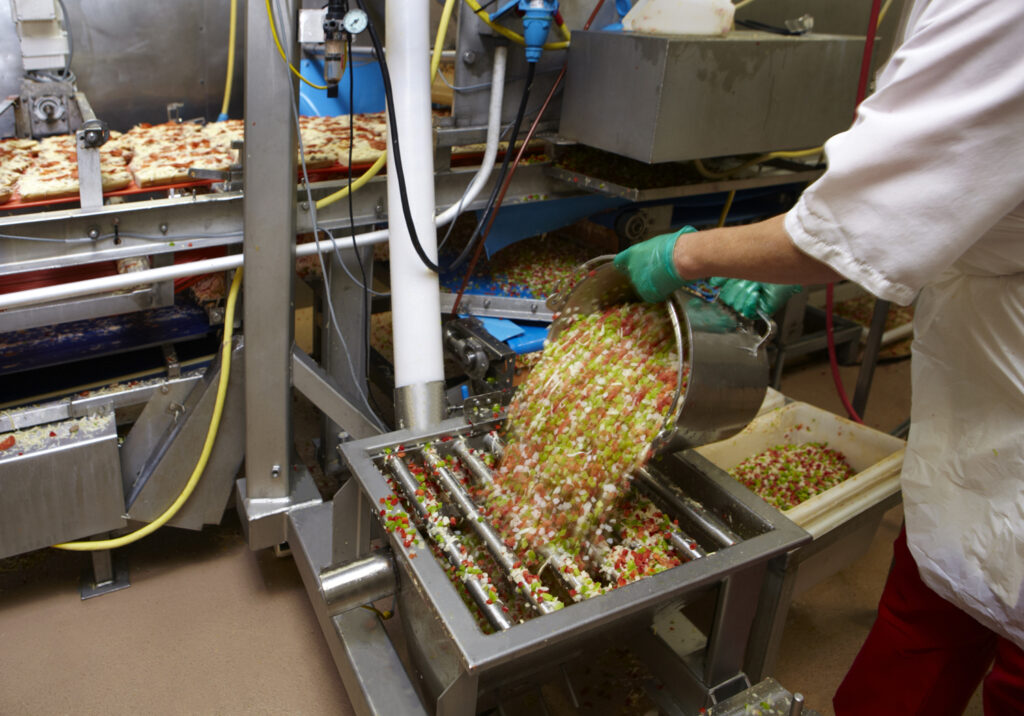
How to Choose and Use the Best Metal Separators and Detectors for Your Food Application
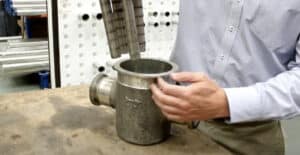
In the food industry, ferrous metal contamination can damage process equipment and create an impure product that must be scrapped....
Read more
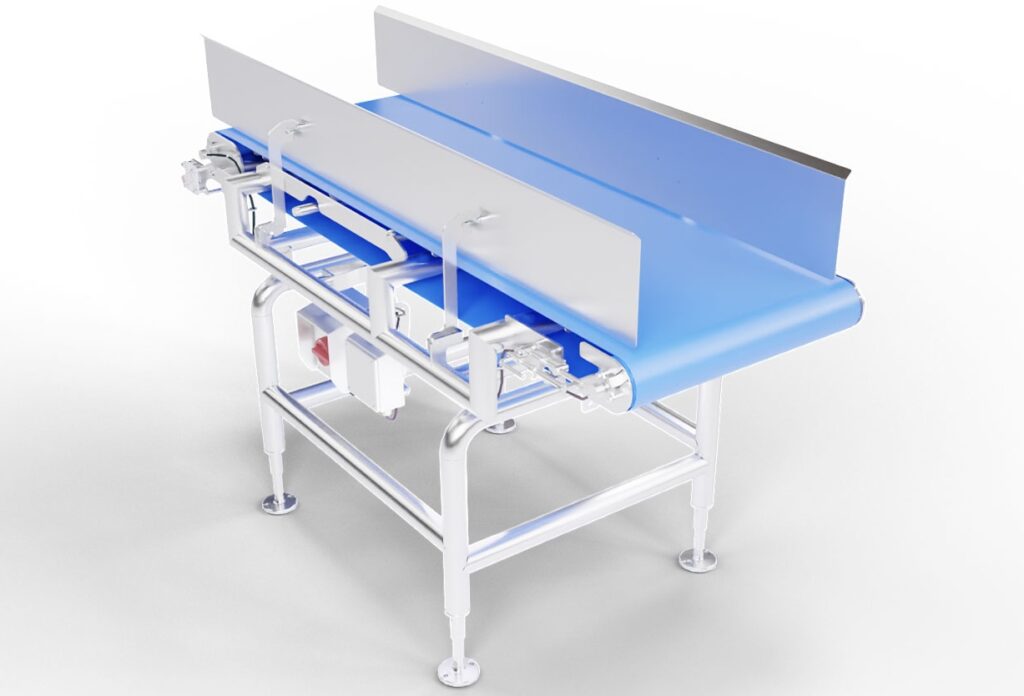
Thayer Scale Weighing Solutions for Sanitation and Food Safety
Thayer Scale designs, engineers, and manufactures sanitary, durable processing and material handling equipment for the world’s leading Food manufacturers.
Read more
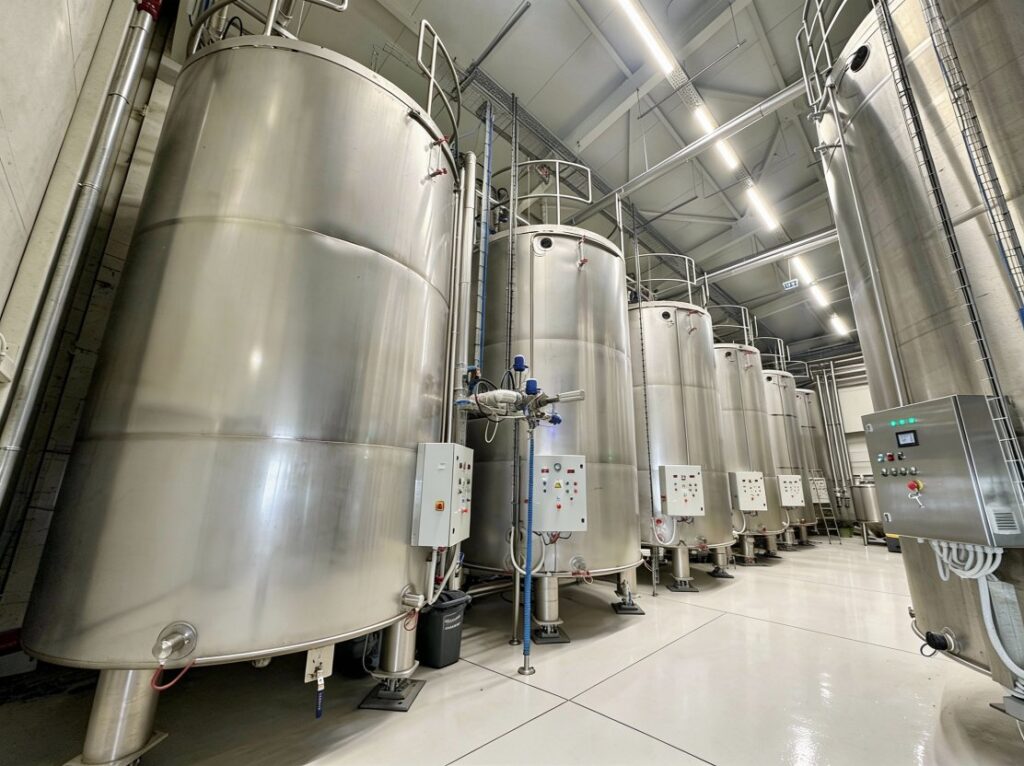
New Investment at ION’s Arta Plant in Chocolate Handling, delivered by VRAYKOS
Building on longstanding trust and the continuous growth of both companies, VRAYKOS delivers another project for ION, strengthening the competitiveness...
Read more

GEA to Equip BFF’s Food-Grade Line for Precision and Biomass Fermentation
GEA has been selected to deliver and commission a precision and biomass fermentation upscaling line for Biotechnology Fermentation Factory (BFF),...
Read more
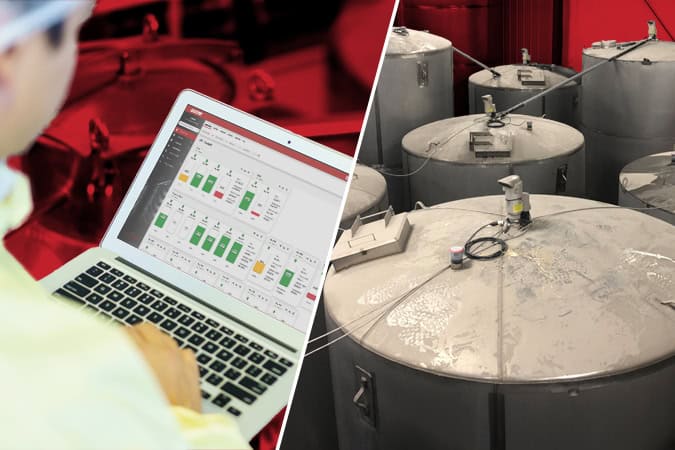
Advantages of Non-Contact Level Sensors in Food Processing
As demand grows in the food and beverage industry, the pursuit of peak efficiency can feel never-ending.
Read more
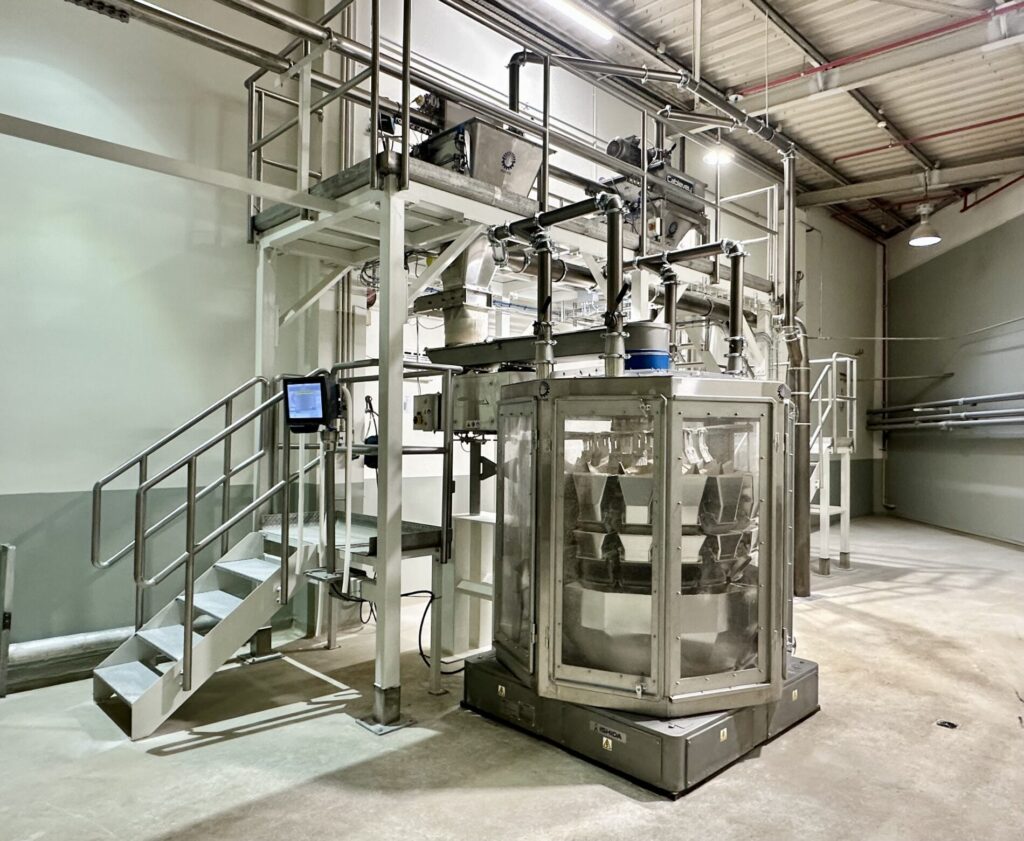
VRAYKOS Delivers an Innovative Turnkey Project for a Multinational Oat-Flakes Manufacturer
A fully integrated unloading and conveying system equipped with Cablevey Conveyors technology, delivering consistent efficiency and technological excellence.
Read more
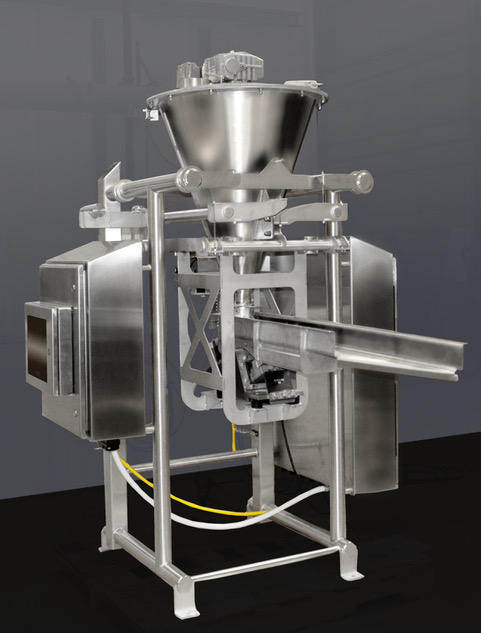
Thayer Scale Weighing Solutions for a Wide Range of Food and Sanitary Applications
Offering a broad range of sanitary and hygienic solutions, Thayer Scale’s in-process bulk material rate measurement, rate control and dosing...
Read more