


Across industries such as building materials, mining, metals, foundries and glass processing, dust generation at transfer points, mixers, bagging stations and loading areas can quickly evolve from a minor nuisance into a significant operational bottleneck. When filtration systems are difficult to adapt, maintain or scale, plants often face the same consequences: rising downtime, unstable extraction performance, increased cleaning requirements and growing compliance pressure.
Today’s production environments demand more. Dust collection must be engineered as an integral part of the process, not added as an afterthought.
This is where WAMAIR Stand-Alone delivers measurable value.
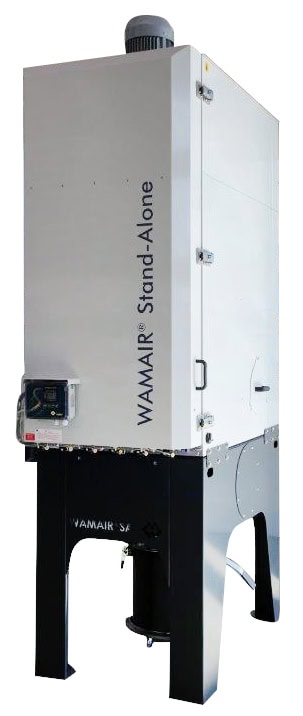
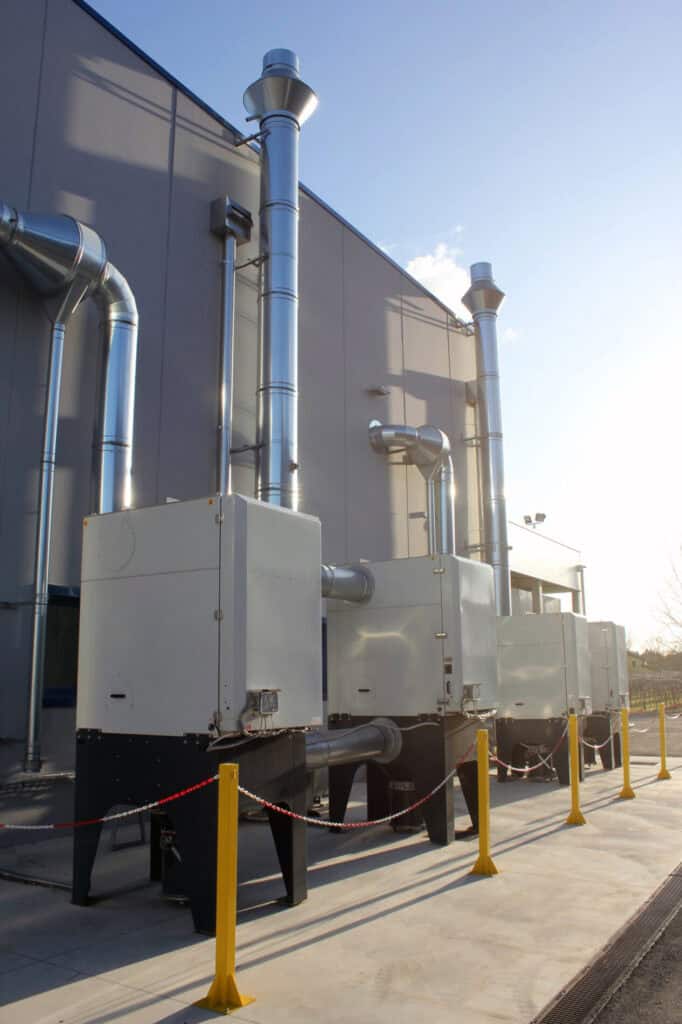
Developed by WAMGROUP as a polygonal stand-alone dust collector, WAMAIR combines high filtration efficiency, configuration flexibility and maintenance-oriented design in a compact solution that adapts to real industrial layouts and real operating routines.
The result is stable extraction performance, simplified servicing and lower total cost of ownership, even where dust characteristics, plant layouts and operating cycles vary significantly.
Why Dust Filtration Has Become a Strategic Plant Priority
The cost of poor dust control is now better understood across modern industrial operations.
What may begin as airborne particulate around a transfer point can quickly translate into:
- Unplanned downtime caused by dust accumulation, sensor faults and premature wear
- Higher energy consumption as airflow instability increases fan load
- Product contamination risks, particularly around filling and packaging areas
- Compliance exposure linked to emissions, housekeeping and audit requirements
- Reduced operator comfort, affecting productivity and workplace standards
In many plants, the issue is not the absence of filtration, but the use of systems that are poorly matched to the dust behaviour, difficult to service or disconnected from the plant’s extraction philosophy.
The most effective filtration systems are those that remain reliable when process conditions are less than ideal.
A Stand-Alone Filtration Concept Designed for Plant Reality
Industrial filtration projects rarely happen in perfect conditions.
Available space is limited, duct routing is constrained, maintenance access is restricted and production schedules leave little room for extended interventions.
WAMAIR Stand-Alone has been engineered precisely around these realities.
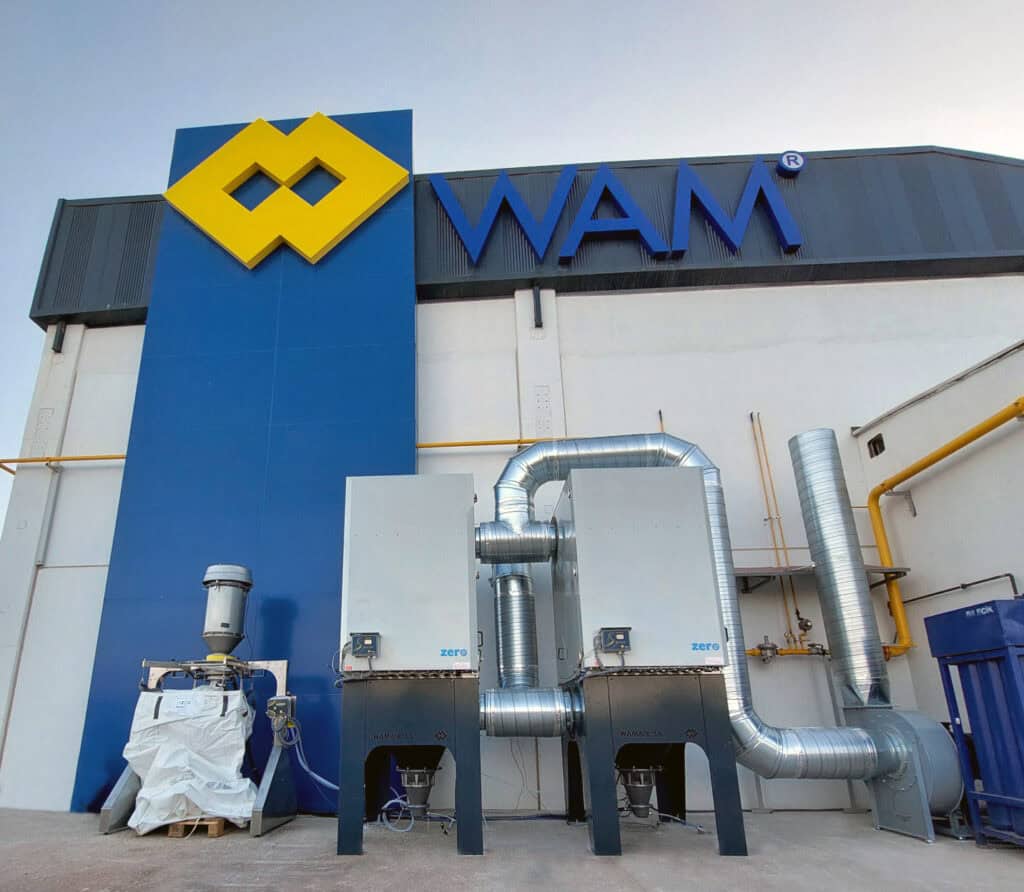
Its stand-alone concept enables straightforward integration into existing and new industrial layouts, while multiple configuration options allow the collector to be matched to dust load, installation constraints and process requirements without turning each application into a fully bespoke engineering exercise.
Equally important, the unit has been designed to make routine servicing faster, safer and more predictable.
In high-volume facilities, ease of maintenance is essential to ensuring performance.
Stable Long-Term Filtration Starts with the Right Media and Cleaning System
The true value of a dust collector is measured not by nominal specifications, but by how consistently it performs over time.
Two factors define long-term reliability:
- Filtering elements and media performance
- Cleaning system effectiveness
WAMAIR Stand-Alone combines proven filtration media technologies with an integrated pulse-jet cleaning system, ensuring stable filter regeneration, controlled differential pressure and consistent airflow recovery.
For plant operators, this means:
- More reliable source capture
- Reduced airflow drift
- Lower energy variability
- Fewer unexpected maintenance events
The operational benefit is immediate: filtration performance remains stable even as dust loads fluctuate.
Two Filtering Element Architectures for Different Dust Behaviours
Since industrial dust is never homogeneous, it is the filtration process that must adapt to the material, and not the other way round.
WAMAIR Stand-Alone is available with two filter element concepts:
- Pocket-type filter elements
- POLYPLEAT™ filter elements
This gives plant engineers a practical way to align the dust collector with specific particulate behaviour, duty cycles and maintenance expectations, while maintaining platform standardisation.
Additional filter media options can support challenging conditions such as:
- moisture exposure
- oily particulate
- abrasive mineral dust
- enhanced surface filtration requirements
- electrostatic and safety-related demands
This flexibility is particularly valuable in sectors where dust properties vary significantly across different production stages.
Supporting Both Local and Centralised Extraction Strategies
A frequent reason for underperforming dust systems is a mismatch between the collector and the plant’s extraction architecture.
Some plants require dedicated local filtration near a specific process station, while others operate centralised suction networks serving multiple capture points.
WAMAIR Stand-Alone supports both approaches through:
- integrated suction fan configurations
- connection to centralised suction systems
This makes it particularly attractive for industrial groups seeking standardisation across multiple lines or production areas, while preserving engineering flexibility.
Where WAMAIR Stand-Alone Creates the Most Value
The system is particularly effective in industries where dust is a constant operational variable.
Building Materials
A reliable filtration system installed at mixers, silos, bagging stations and transfer points reduces the need for cleaning, improves uptime and helps ensure compliance with environmental regulations.
Mining and Quarrying
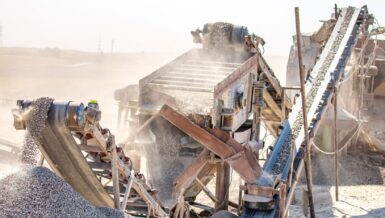
High dust loads and abrasive particulate demand robust filtration with stable long-term performance and scalable layouts.
Foundries and Steelworks
Harsh operating environments require durable media options, stable cleaning cycles and practical servicing access.
Metal Fabrication
Grinding, blasting and cutting operations benefit from adaptable filtration that supports both cleanliness and process continuity.
Glass Processing
Fine particulate requires dependable source capture and simplified maintenance to maintain operational efficiency.
Beyond Capture: Dust Handling as Part of the Process Logic
An effective dust collection system is not limited to filtration.
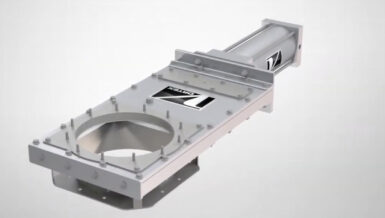
The collected dust must also be discharged and managed in a controlled manner to prevent clogging, spillage and secondary issues related to cleaning the premises.
By integrating dust filtration into the wider material handling logic of the plant, operators can improve both cleanliness and overall process efficiency.
This is where WAMGROUP’s broader expertise in bulk solids handling and discharge solutions creates additional value.
A Smarter Approach to Dust Filtration Performance
When the dust filtration system is working properly, it remains unnoticed from an operational point of view:
- cleaner air
- cleaner floors
- fewer production interruptions
- predictable maintenance
- more stable energy consumption
- better working conditions
WAMAIR Stand-Alone has been developed around exactly this principle: high-performance dust collection that remains simple to operate, easy to maintain and adaptable to real industrial conditions.
For plant managers, OEMs and process engineers, this means a dust collector that supports plant efficiency, compliance and long-term reliability without unnecessary complexity.
Discover More
If you are upgrading an existing line, planning a new plant or looking to improve dust management across bulk solids handling, WAMAIR Stand-Alone offers a flexible and maintenance-friendly solution designed for modern industrial performance.
Visit the new WAMGROUP Dust Filtration website and search for “WAMAIR Stand-Alone” to explore technical details and application opportunities.