


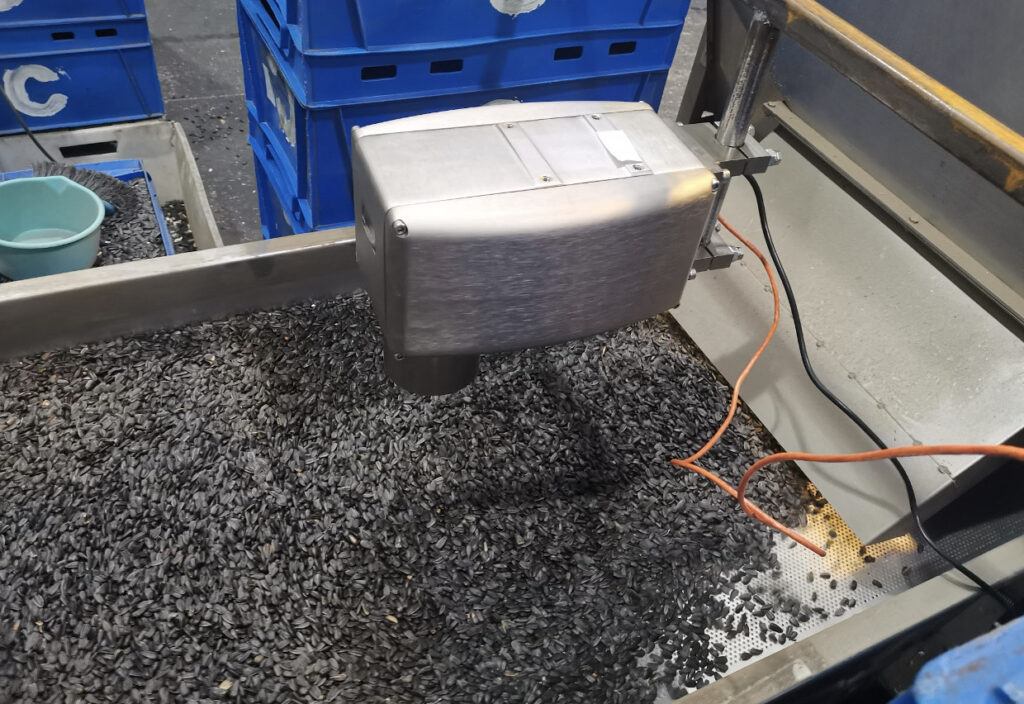
Yet many operations still struggle with inconsistent quality, excess waste, unexplained process drift, and recurring operator intervention. Many of these problems stem from a familiar gap: plants collect data, but the data does not always provide a clear picture of what is happening inside the process.
Operations often monitor what is easiest to measure rather than what most directly influences product performance. In other cases, measurements may be technically accurate but remain operationally incomplete. For example, single point readings that miss variation, delayed lab results that reflect past conditions, or sensors placed where readings are convenient rather than actionable. This is especially true for moisture sensitive processes. Across industries, moisture content can shape everything from yield, texture, and shelf life to product weight, drying efficiency, blending performance, and downstream handling. When moisture is poorly understood, broader process performance often suffers with it.
A more useful question for manufacturers is whether they are measuring the right variable, in the right place, at the right speed to support decisions.
The Hidden Blind Spots in Process Measurement
Many common process measurements can appear reassuring while still leaving critical gaps in process understanding. One of the most frequent examples is endpoint measurement. A manufacturer may measure moisture only at the dryer outlet or through periodic final product sampling. That can confirm whether the product falls inside specification, but it says little about what happened upstream. Uneven drying, changing feed conditions, residence time shifts, or material distribution problems may already have reduced efficiency or created scrap before the final reading is taken.
Another blind spot is reliance on averages. Average flow rate, average moisture, or average throughput can hide short term swings that matter operationally. Those fluctuations can produce quality variation that averages fail to reveal. Lag time is another common issue. Lab testing remains valuable, but by the time a sample is collected, analyzed, and returned, the process has already moved forward. Operators may be adjusting equipment based on conditions that no longer exist, resulting in delayed, reactive control rather than timely correction.
Longstanding assumptions about measurement technology can also become a blind spot. Some manufacturers may have had disappointing experiences with earlier generations of NIR systems and continue to judge current solutions by outdated performance standards.
Why These Gaps Matter More Than Many Plants Realize
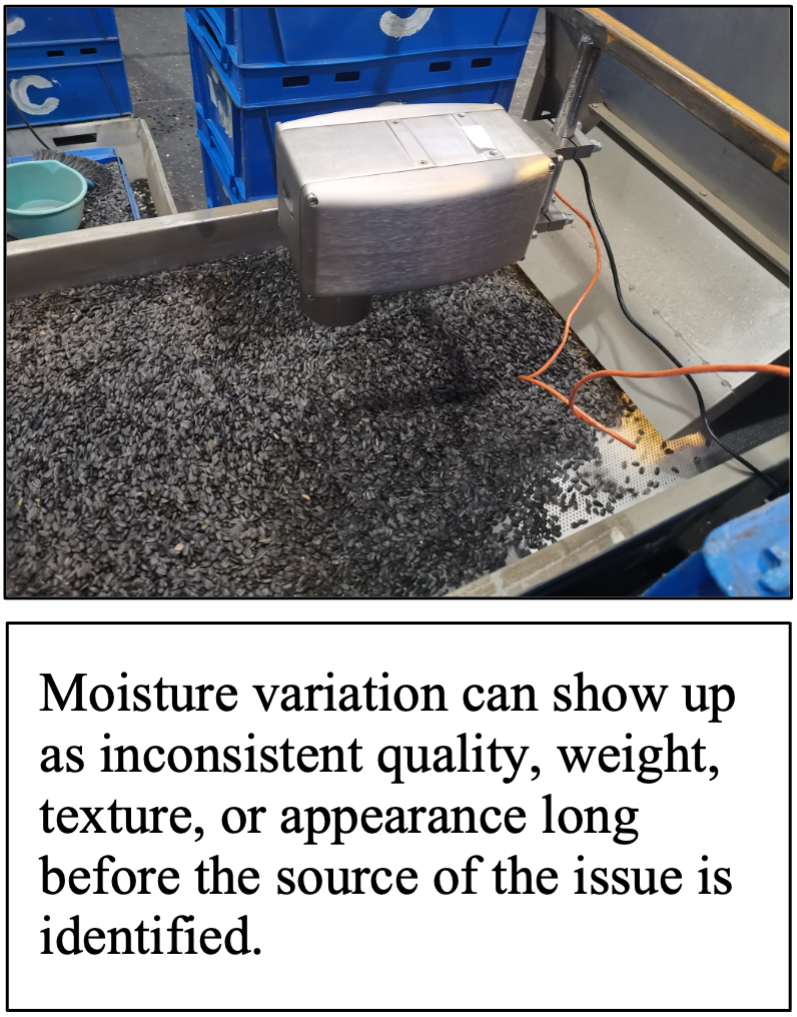
When key variables are missed, the consequences tend to appear elsewhere. Product inconsistency is usually the first sign. Moisture variation can change texture, density, weight, coating adhesion, flowability, cure characteristics, or shelf stability depending on the application. Teams may treat these as separate quality issues when they are actually symptoms of hidden process instability.
Yield loss is another common cost. Many plants intentionally over dry material as a safety margin. If actual moisture cannot be trusted, operators often run hotter, longer, or slower than necessary. That approach may reduce compliance risk, but it also removes sellable mass and increases energy use. Frequent operator intervention is another warning sign. If experienced personnel are constantly adjusting dryer temperatures, airflow, feed rates, or line speeds, they may be compensating for poor visibility rather than controlling a stable process.
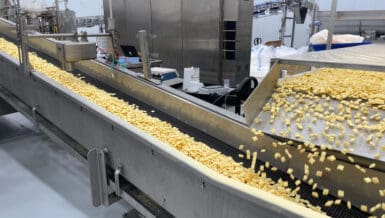
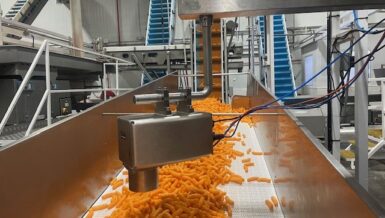
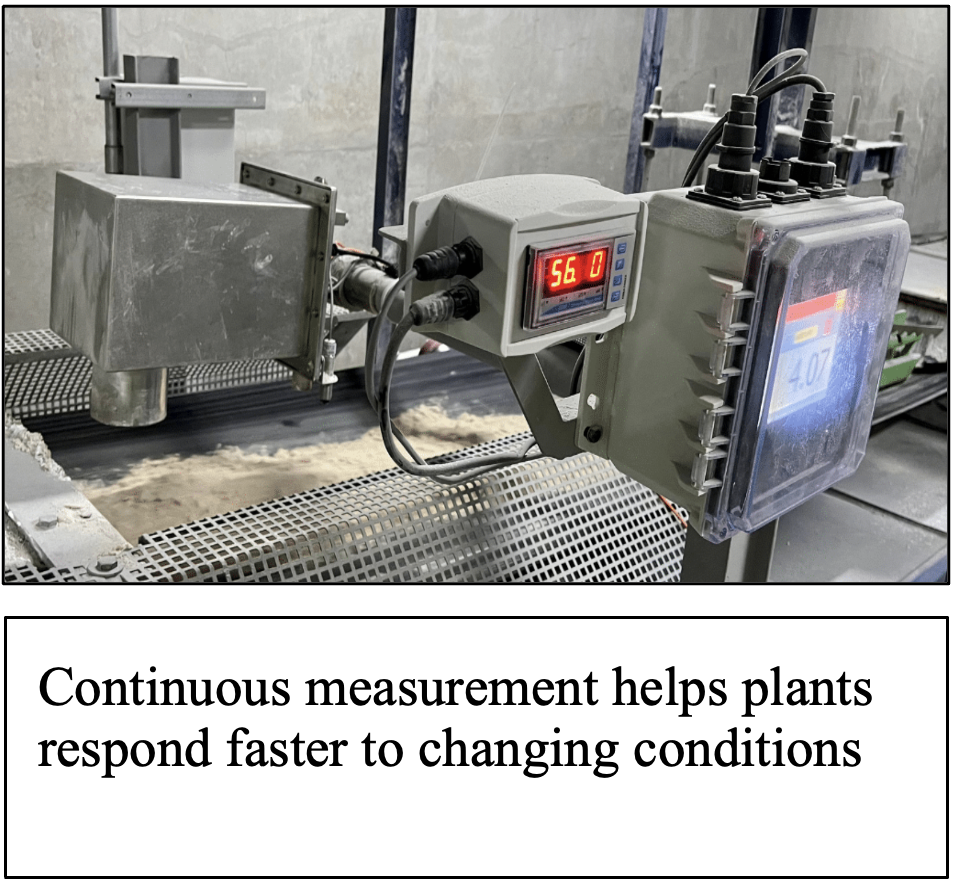
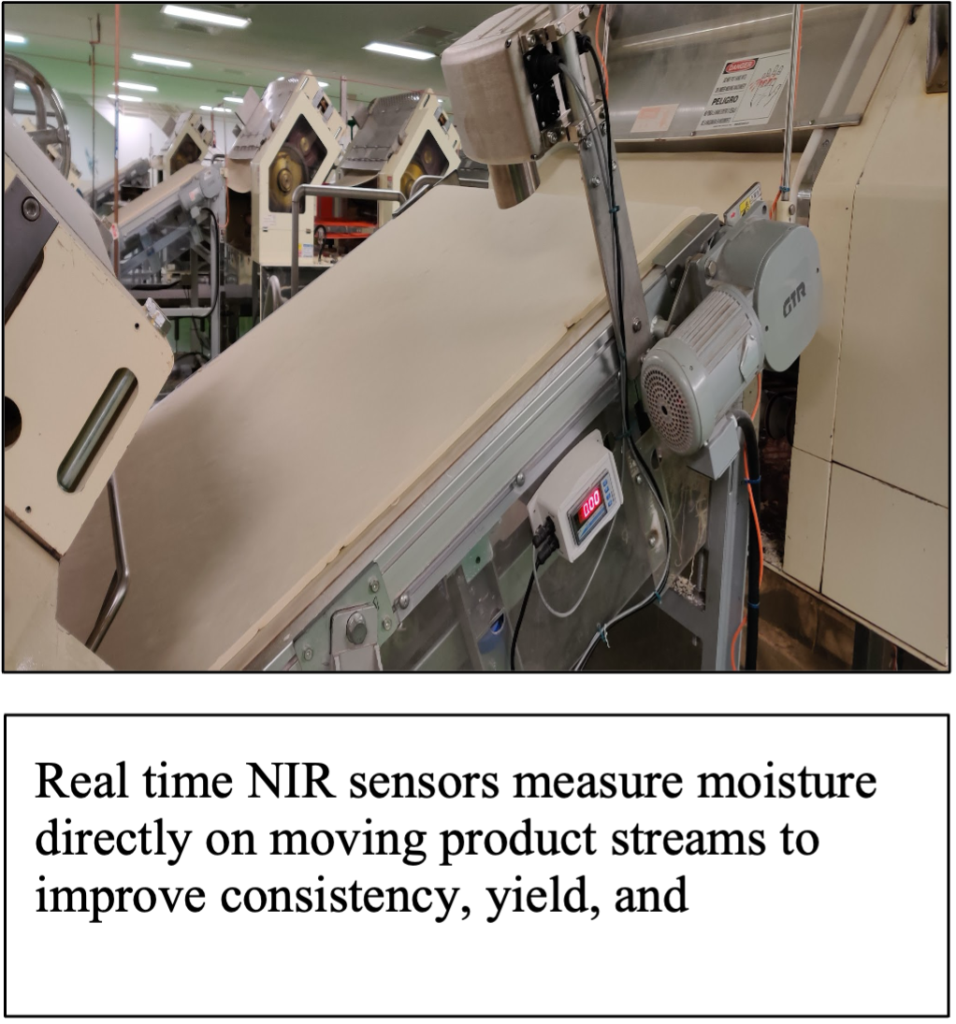
These gaps also make troubleshooting harder. Without high frequency, representative data, root causes remain speculative. Teams may blame raw materials, machine wear, shift changes, or operator technique when the real issue is a variable no one is capturing properly. Real time measurement helps plants understand movement instead of relying on isolated snapshots. In moisture applications, continuous near-infrared (NIR) measurement allows plants to monitor material directly on a moving belt, web, bed, or product stream. Rather than waiting for occasional samples, operators can see trends, spikes, oscillations, and gradual drift as they occur.
That matters because manufacturing systems are dynamic. Feed consistency changes, equipment warms up, throughput shifts, and material distribution moves across belts. Static measurements often assume steady state conditions that rarely hold for long. Continuous data also helps reveal spatial variation. Different sections of a product stream may behave differently because of airflow patterns, burner performance, loading distribution, coating uniformity, or upstream feed conditions. A single reading can miss those patterns entirely.
When integrated into PLCs or plant control systems through common industrial outputs such as 4 – 20 mA, Ethernet/IP, Modbus, or similar protocols, high speed measurements can support automatic response rather than manual reaction. If moisture begins trending upward, controls can adjust dryer temperature, airflow, or line speed quickly. That shortens correction cycles and reduces scrap created between problem detection and intervention.
Choosing the Right Measurement Point
One of the most overlooked decisions in instrumentation is where to measure. There is rarely one universal location. The strongest measurement point is where data is both representative and useful. For drying operations, a sensor near the dryer exit may offer immediate feedback on dryer performance. A downstream location may confirm final quality but arrive too late for meaningful correction. In conveying systems, a stable and consistent material bed over a belt often provides stronger readings than turbulent flow in a chute. Near mixers or blenders, measuring too close to discharge may capture unsettled conditions rather than stable process behavior.
Environmental factors also deserve attention during placement. Dust, steam, vibration, ambient light, inconsistent product coverage, color variation, and particle size changes can all affect measurement quality if they are ignored during specification and installation. Strong measurement placement usually balances three principles: representative material flow, stable measurement conditions, and proximity to where control decisions are made.
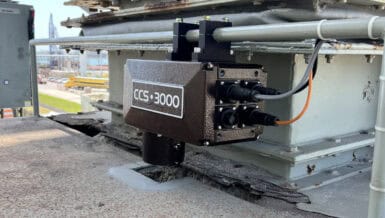
For manufacturers looking to apply these principles in practice, real-time near-infrared moisture and constituent measurement systems are one proven option. These in-line sensors are designed for industrial environments and can monitor product directly on belts, webs, and other moving streams while integrating with common PLC and control platforms. When properly specified and installed, they allow plants to reduce reliance on delayed lab data, move away from “just in case” over-drying, and respond faster when conditions drift. Suppliers such as MoistTech have deployed these systems across food and beverage, building materials, chemicals, and other moisture-sensitive processes to help improve product consistency, reduce waste, and lower energy use.
The larger takeaway is straightforward: process understanding improves when measurement systems are selected around real operating conditions rather than assumptions formed years ago or decisions based solely on upfront cost.
Where to Look First for Hidden Measurement Gaps
For manufacturers evaluating whether their current instrumentation is delivering enough insight, the most useful starting point is often operational behavior rather than the sensor itself. Processes that rely heavily on end-of-line checks or delayed lab sampling may have limited visibility into what is happening in real time. By the time a problem is confirmed, excess moisture, over drying, or variability may have already affected yield and quality.
A simple self-audit can help reveal where blind spots are hiding by asking questions such as whether the plant depends primarily on endpoint or lab moisture checks even though operators see variation between samples, whether long-term averages look stable while customers or downstream processes still experience inconsistency, and where operators routinely “babysit” dryers, run conservative safety margins, or slow lines down to stay within spec. It also means examining whether sensors are located where product coverage is inconsistent, near transfer points, or after variability has already been blended out, and how quickly controls can respond when moisture begins drifting, whether teams are seeing trends in time to act or simply reacting to historical conditions.
Seen together, patterns such as frequent manual intervention, conservative over-drying, or recurring quality issues that never quite trace to a single cause suggest a process that is being managed capably, but with less information than it could have. For many plants, the next major improvement will not come from a large equipment overhaul, but from gaining clearer, faster, and more representative measurement of the variables that already govern performance every day.
Turning Better Measurement into Everyday Practice
As manufacturers across food and beverage, building materials, chemicals, and other sectors push for higher yield, lower energy use, and tighter sustainability targets, the bar for measurement will continue to rise. Plants that align their instrumentation around the right variable, in the right place, at the right speed will be better positioned to stabilize quality, reduce waste, and unlock the full potential of existing assets, regardless of which specific technologies they choose.