


The challenge is that dust accumulation is not static. It is influenced by a constantly changing set of variables. Production rates fluctuate, materials and processes evolve, ventilation patterns shift, equipment performance changes, and maintenance activities can alter airflow or particle movement. Even seasonal conditions and operational adjustments can affect where dust settles and how quickly accumulation occurs. As a result, dust conditions in a facility can vary significantly between inspection intervals.
This creates an important challenge for decision-makers. When combustible dust management relies primarily on periodic observations, facilities may be forced to make decisions using incomplete information. In some cases, emerging accumulation issues may go unnoticed until significant buildup occurs. In others, resources may be directed toward cleaning areas that present little actual risk. Neither approach is ideal.
Overreacting can create unnecessary labor and housekeeping costs, while underreacting may allow hazardous conditions to develop unnoticed. Both outcomes stem from the same issue: making decisions without enough measurable information.
An increasing number of facilities are beginning to shift from assumption-based practices toward data-driven approaches. Rather than relying solely on isolated observations, facilities can collect measurable information over time to better understand dust behavior within their operations.
This shift creates several advantages. First, facilities can establish a baseline of existing dust conditions. Understanding what “normal” accumulation looks like provides an objective starting point rather than relying on subjective impressions.
Second, tracking accumulation over time helps identify trends. Areas that consistently accumulate dust faster than expected can be recognized early, allowing facilities to investigate contributing factors such as airflow patterns, process changes, or equipment issues before accumulation reaches concerning levels.
Third, measured data allows organizations to prioritize resources more effectively. Cleaning efforts, inspections, and mitigation activities can be focused where they are needed most rather than applying the same approach uniformly across all areas.
The concept is similar to trends seen across many industrial safety and maintenance programs. Facilities increasingly rely on continuous monitoring and measurable indicators to guide decisions rather than depending solely on periodic manual checks. Combustible dust management can follow the same progression.
At Industrial Intelligence, our approach focuses on helping facilities move from assumptions to measurement.
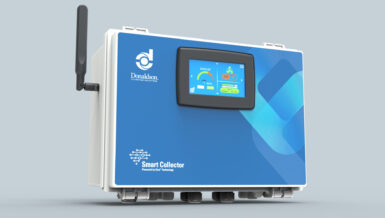
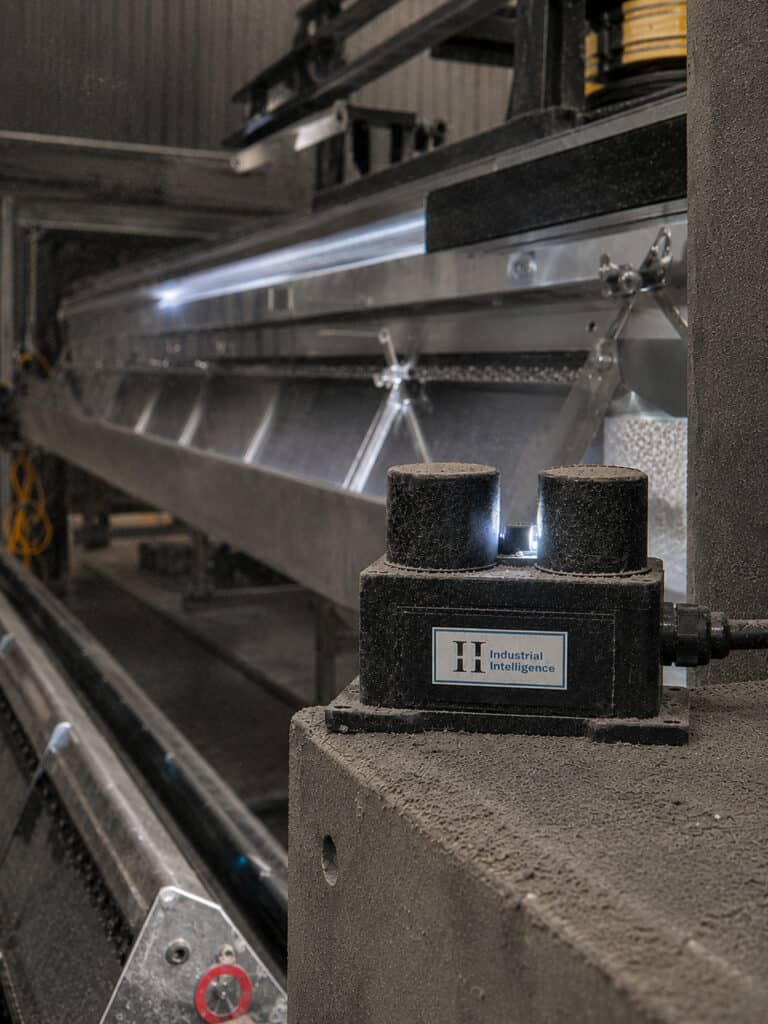
The Dust Mapping Survey establishes a measurable baseline of dust conditions throughout a facility, while the Continuous Dust Accumulation Monitor provides ongoing visibility into how dust conditions change over time and can issue electronic alerts when preset accumulation thresholds are reached.
The future of combustible dust management is not simply inspecting more or cleaning more frequently. It is understanding accumulation behavior, identifying trends before they become problems, and using measurable data to make smarter, more informed decisions.