


This is why decentralised dust extraction is gaining attracting increasing attention across the industry. Instead of relying solely on complex centralised extraction systems, many operators are choosing to capture dust directly at the source—at crushers, screens and conveyor transfer points—before it can spread throughout the plant. This approach helps reduce emissions, minimise material loss, improve visibility and simplify overall system layout.
It also reflects the broader application philosophy behind WAM® AIR industrial dust filtration technologies, which provide dedicated equipment solutions for spot dust filters in demanding industrial sectors such as quarrying and mining processing.
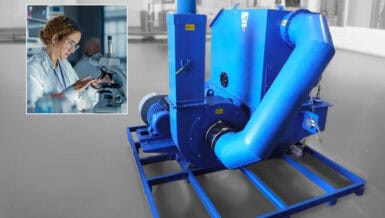
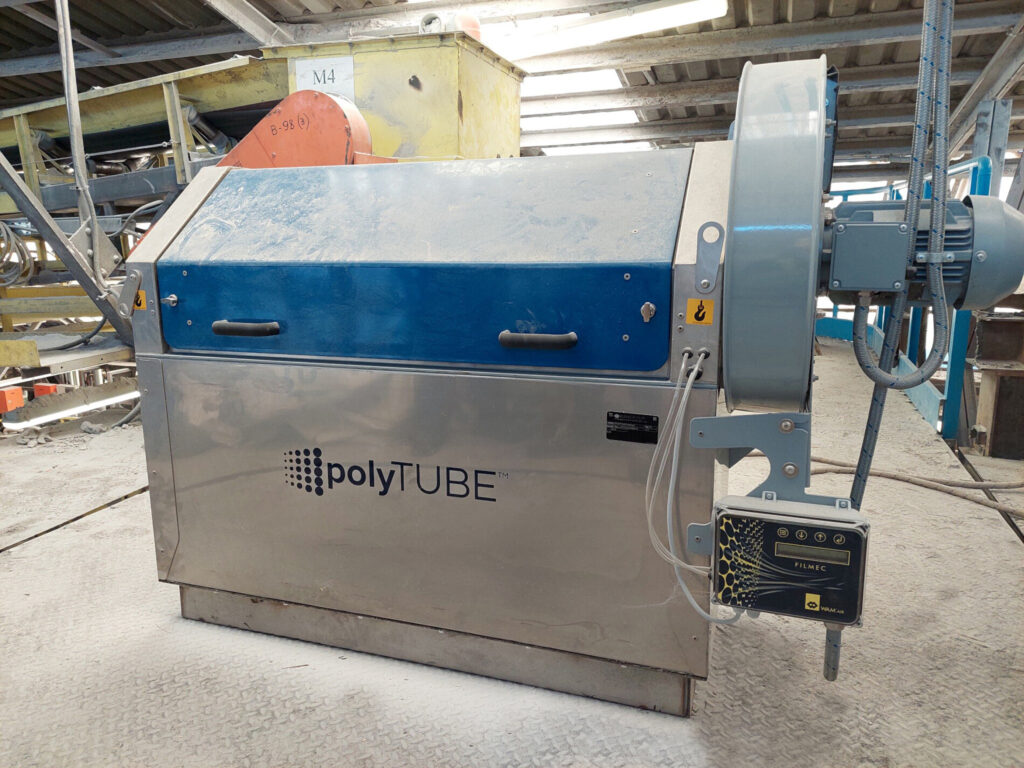
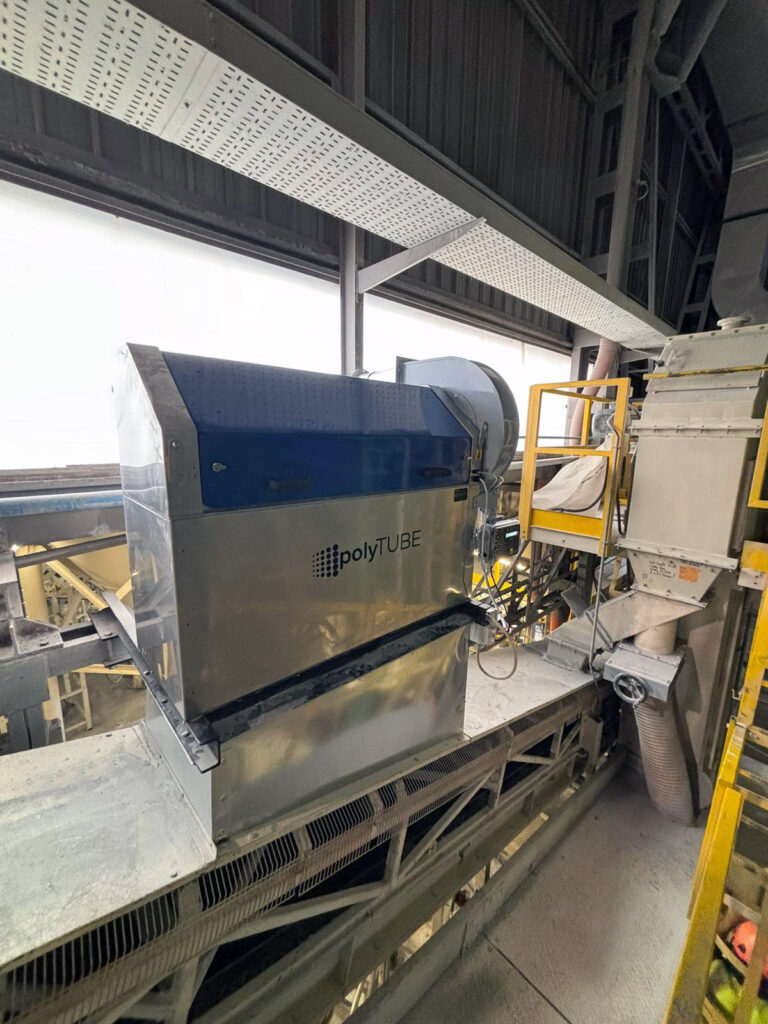
A solution that fits this trend particularly well is WAMAIR® Spot polyTUBE®, developed by WAMGROUP. Designed as a compact stand-alone filtration unit, it is especially suited to applications where dust is generated continuously in localised areas and where flexibility, reliability and easy integration are essential.
Typical installation points include crushers, screening units and conveyor transfer points—areas where dust generation is constant and effective local capture is critical for maintaining clean and efficient operations.
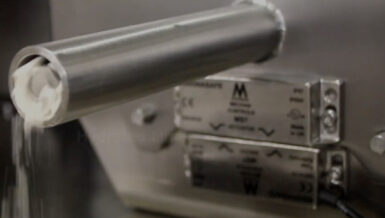
What makes WAMAIR® Spot polyTUBE® particularly distinctive is its filtration system. At the heart of the unit is polyTUBE® technology, based on an open tubular cell structure rather than conventional pleated filter elements. This design allows dust-laden air to pass through the filter element with fewer restrictions, reducing pressure losses and minimising the risk of internal dust build-up.
The result is smoother airflow, more stable filtration performance and greater operational reliability, even in harsh industrial environments where abrasive dust and continuous duty cycles place heavy demands on filtration equipment.
Another key advantage lies in the use of nanofibre filter media. According to product specifications, this supports the efficient separation of very fine mineral dust while maintaining excellent air permeability. Because particles are captured mainly on the surface of the medium rather than deep inside the filter structure, cleaning is more effective, pressure drop remains lower and filter service life can be significantly extended.
For quarrying and mining processing plants, where fine and abrasive dusts are part of daily operation, this represents a major operational benefit. Reduced maintenance interventions and longer replacement intervals contribute directly to lower total operating costs.
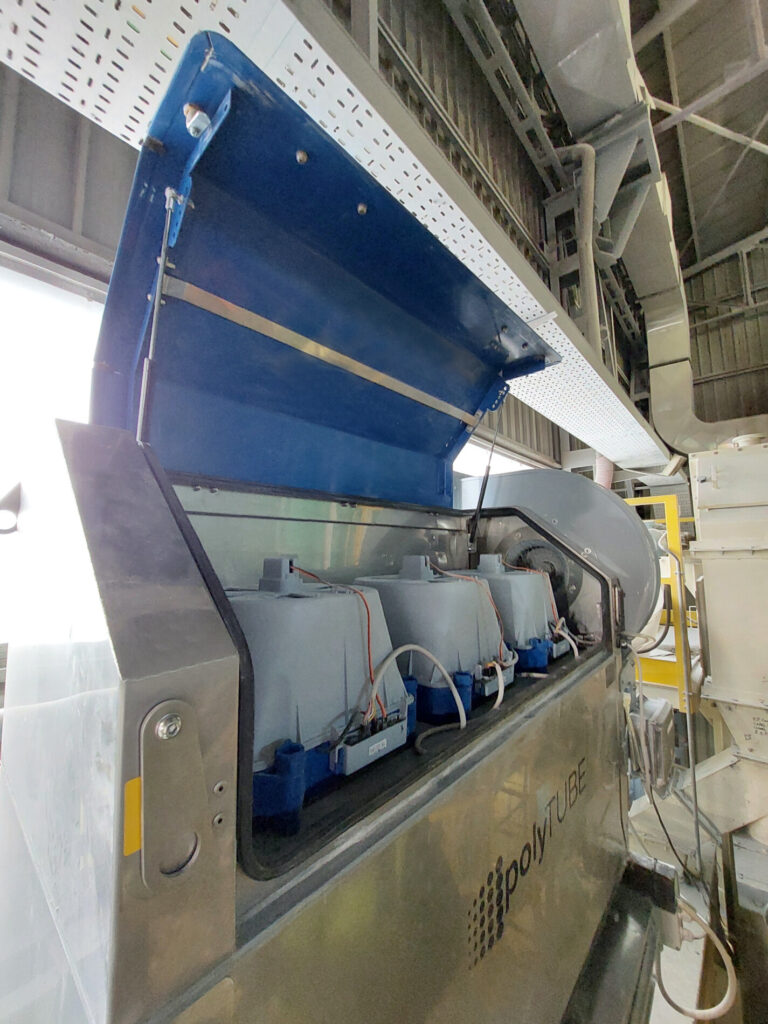
The cleaning system itself is another strong point. WAMAIR® Spot polyTUBE® uses an electromechanical pulse-cleaning mechanism and does not require compressed air. This eliminates the need for additional compressed-air infrastructure, reducing installation complexity and operating costs while avoiding issues related to condensation or moisture often associated with pneumatic cleaning systems.
It also contributes to quieter operation and reduces mechanical stress on the filter media, further supporting long-term reliability and simplified maintenance planning.
For plant operators, the practical value is clear: high filtration efficiency, compact design, reduced maintenance requirements and a smarter way to manage dust exactly where it is generated. In large quarrying plants or stone processing facilities with multiple emission points, this can translate into cleaner operations, improved workplace safety and better overall process efficiency.
WAMAIR® Spot polyTUBE® demonstrates how local dust capture can become much more than a technical necessity. It becomes a practical advantage for plants aiming to combine performance, sustainability and operational simplicity in a highly competitive market.
As environmental expectations continue to rise, investing in efficient localised dust control solutions is no longer simply about compliance—it is about improving productivity, protecting equipment and creating safer, more sustainable industrial operations.
To discover more about WAMAIR® Spot polyTUBE® and explore its full application potential, visit the new WAM AIR® website.