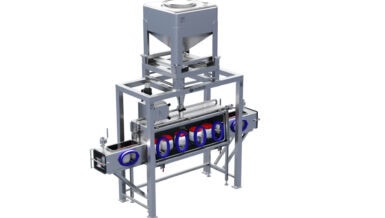




PVC powder is produced as an intermediate product during the polymerization of vinyl chloride and is stored and processed in large quantities in the chemical industry. Due to its fine particle size, strong dust generation and low dielectric constant (DK value), the material places high demands on level and point level measurement technology.
A plant operator in Eastern Europe was looking for a reliable solution for continuous level measurement and safe overfill protection in an existing installation. The goal was to achieve stable measurement values while significantly reducing maintenance effort. Since maintenance work on the silo bridge is associated with increased safety risks, especially in winter, such interventions needed to be kept to a minimum. For this reason, a multi-stage test phase was carried out in close cooperation with the operator under real process conditions.
Reliable process monitoring in fine, dusty and fluidized PVC powder
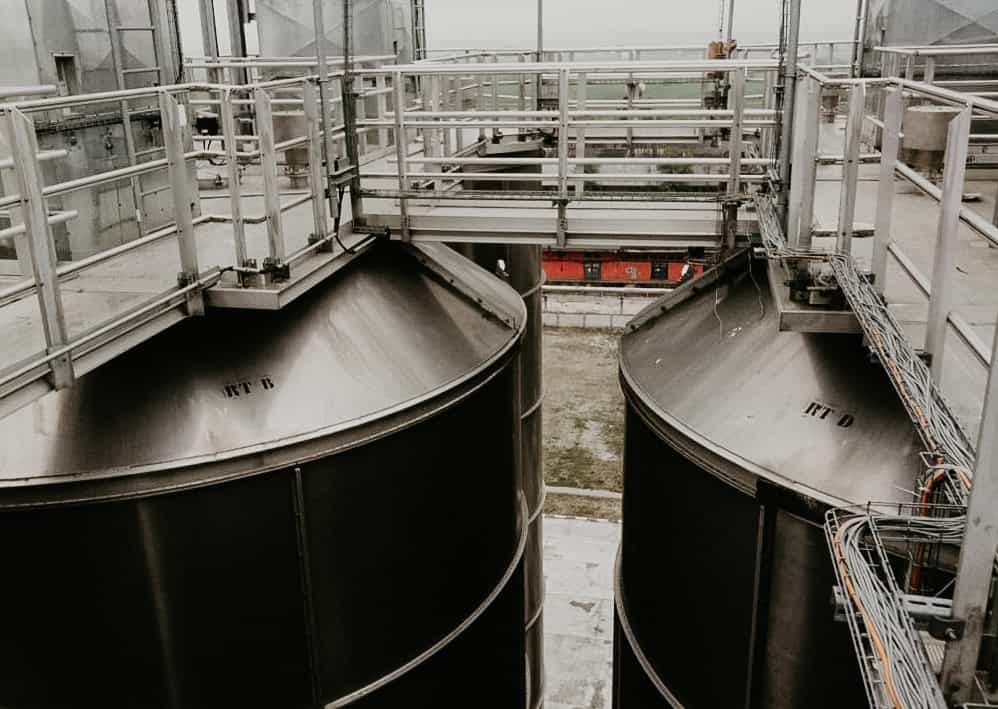
In the approximately 22-meter-high (≈ 72 ft) steel silos used for intermediate storage of PVC powder prior to further processing, radar sensors from another manufacturer had previously been installed. In practice, however, fluctuating and non-reproducible measurement values were repeatedly observed. The cause was the very low dielectric constant of the PVC powder, which, in combination with the highly dusty atmosphere, further impaired reliable radar reflection.
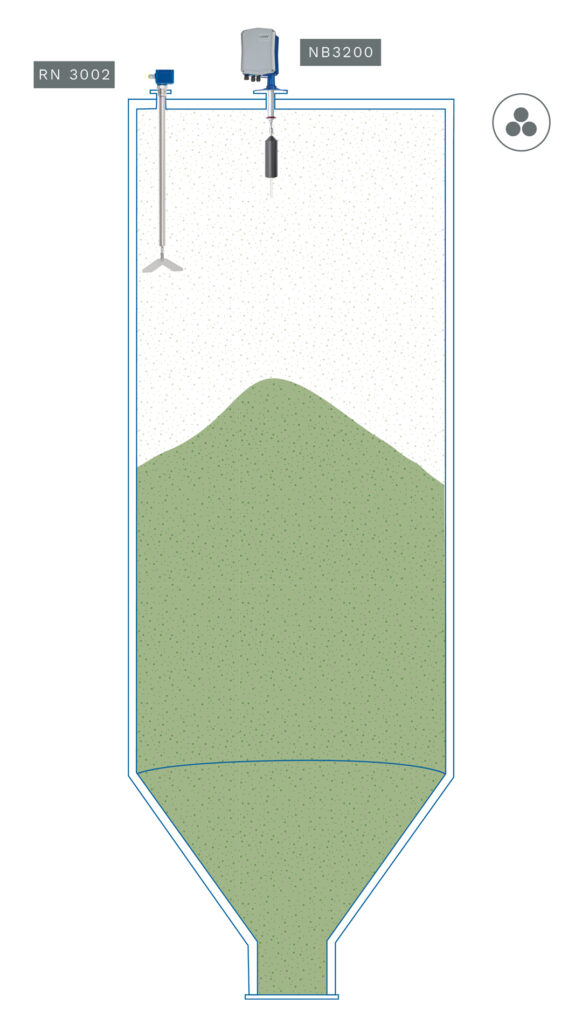
As an alternative, the electromechanical lot system NivoBob® NB 3200 with belt version was implemented. This measuring principle is particularly suitable for bulk solids with a low DK value and operates independently of dust generation or material build-up. A sensing weight is lowered on a belt to the material surface and then returned to its upper end position. The measured belt length corresponds to the current level and is output as an analog signal. Digital interfaces such as Modbus and Profibus are also available.
A key element for this application is the integrated belt cleaner, which reliably removes adhering PVC dust from the belt after each measurement and prevents dust from entering the mechanical chamber. Especially when handling highly dusty and intermittently fluidized materials, sensor design plays a decisive role. In the NivoBob®, the mechanical and electronic chambers are separated: while the electronic chamber is hermetically sealed, the belt unit leading into the mechanical chamber is not fully hermetic by design.
Due to the strongly fluidized material and the overpressure that may occur under certain process conditions during filling, an existing compressed air connection was used. Occasional air purging of the mechanical chamber provides additional protection and supports long-term, reliable operation.
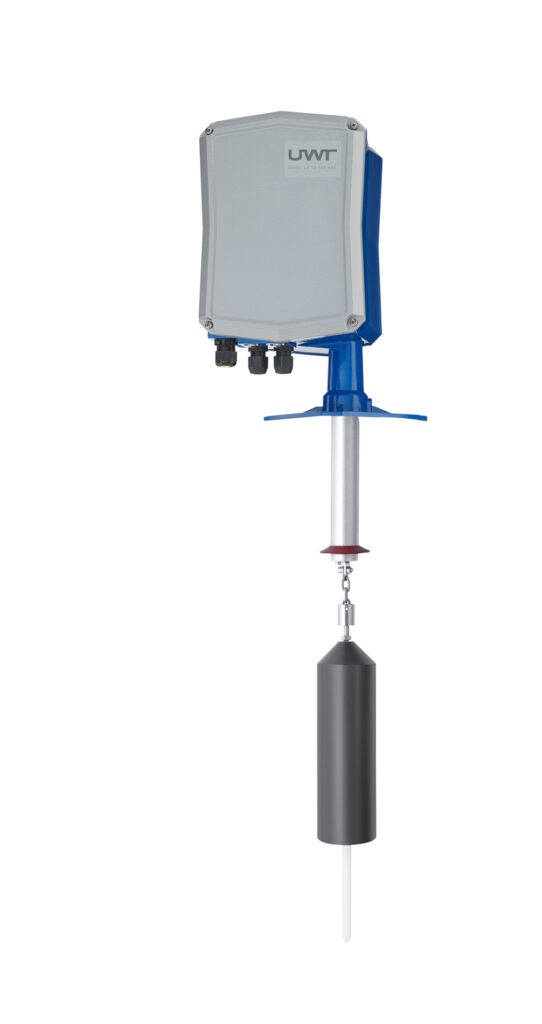
In addition, the sensor is equipped with an integrated housing heater that prevents condensation and frost formation inside the chambers. Even under strongly fluctuating temperatures, the mechanical components remain movable and fully functional. The heater supports operation down to −40 °C (−40 °F).
The result is stable and reproducible level measurement values—without regular maintenance, even in the presence of dust, material build-up and low DK values.
Maintenance-free point level detection with additional visual monitoring
For overfill protection, the operator had previously used vibrating fork level switches. During operation, material build-up and blockages occurred repeatedly, resulting in unreliable switching signals. Monthly cleaning intervals were required as a consequence. These maintenance tasks were particularly demanding due to the sensor installation on the silo bridge and were further complicated in winter by cold temperatures, snow and ice.
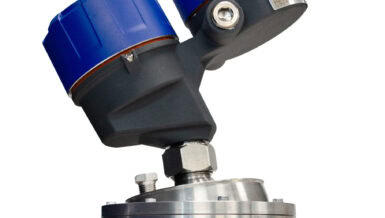
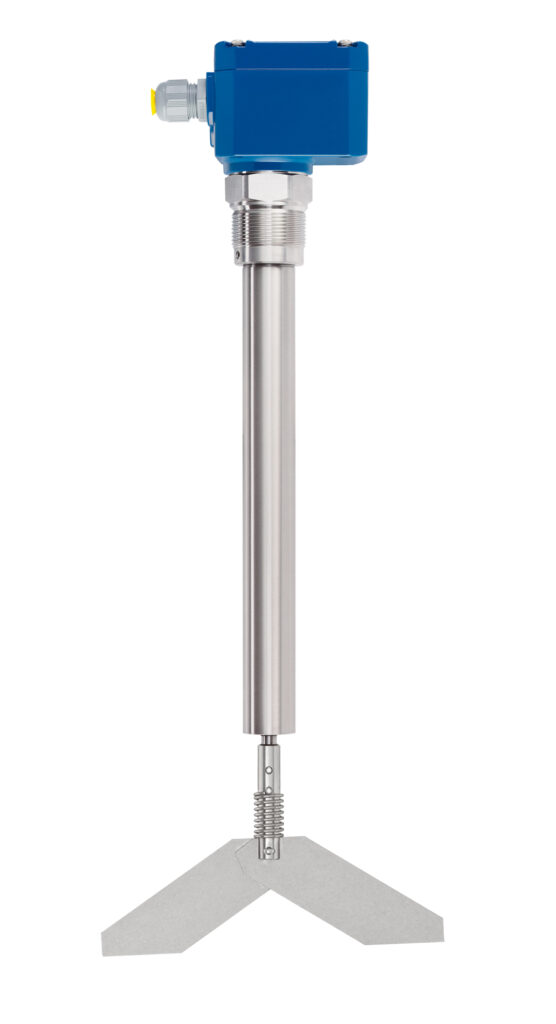
As a new solution, UWT recommended the Rotonivo® RN 3002 rotary paddle level switch with an individually adapted extension tube. The mechanical measuring principle is insensitive to dust, material build-up and electrostatic charging and operates reliably even under these demanding conditions.
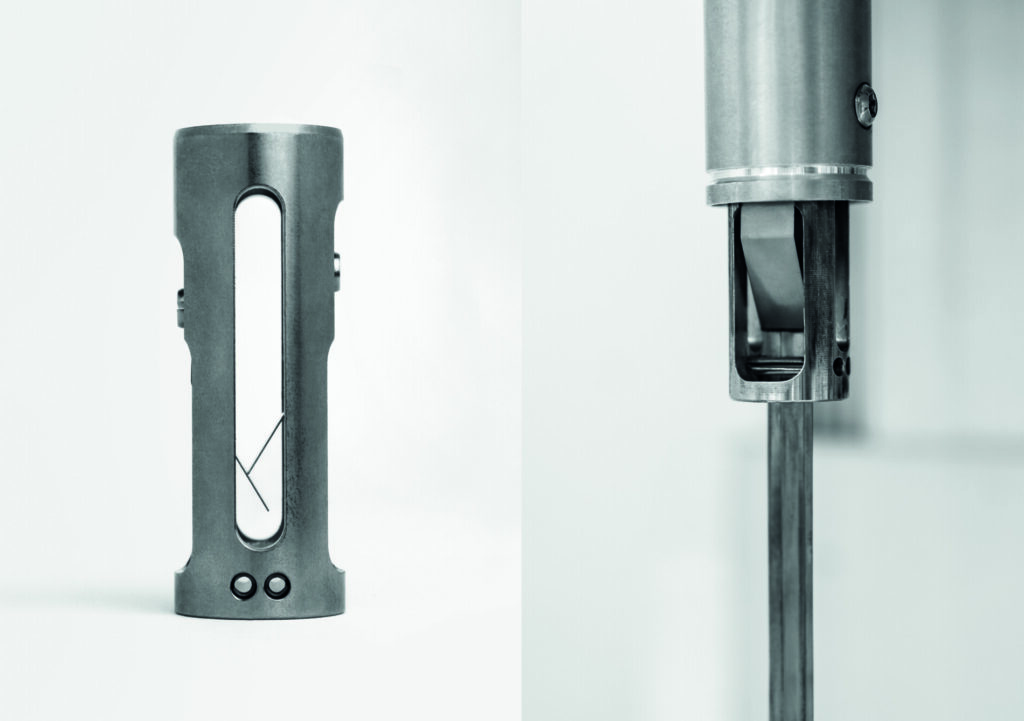
During the test phase, a sliding sleeve was used to determine the optimal installation depth. This allowed the extension tube to be precisely adapted to the silo geometry, ensuring that the switching point was positioned exactly where required.
Thanks to the adjustable sensitivity, the rotary paddle could be precisely matched to the material properties of the fluidized PVC powder. Even in the presence of material build-up, the rotary paddle remains fully functional and blockages do not occur. Both the paddle and the extension tube are made of stainless steel, providing permanent protection against abrasive influences. Extension lengths of 2800 mm (≈ 110 in) were implemented in this application, with designs up to 4000 mm (≈ 157 in / 13.1 ft) available.
Regular cleaning is therefore no longer required.
Visual status indication for safe point level detection
In addition to reliable point level detection, clear visual feedback during operation plays an important role. For this purpose, the NivoLED® 9000 can be used in this application.
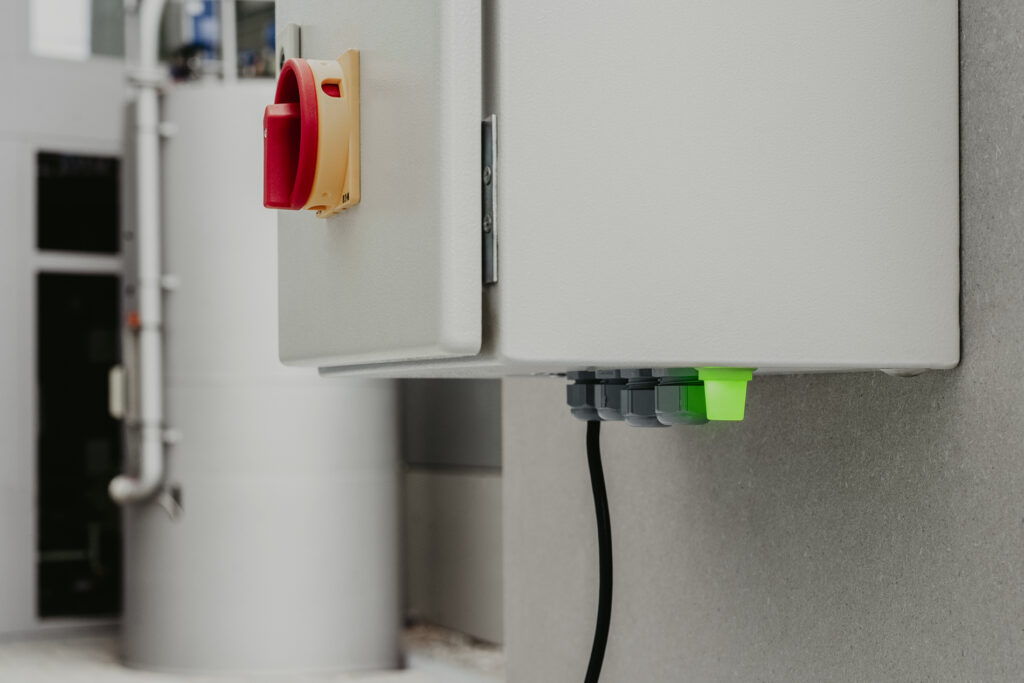
The compact signal lamp was specifically developed for use in hazardous areas and clearly visualizes the switching status of point level sensors via green and red LEDs. Thanks to its robust housing and wide operating temperature range from −40 °C (−40 °F) to +60 °C (+140 °F), it operates reliably even under extreme environmental conditions.
The NivoLED® 9000 can be configured directly with the point level sensor or integrated into existing systems as an accessory. In this application, installation on the control cabinet or operator panel is recommended. From there, the switching status of each silo can be clearly and individually monitored. Due to its high luminous intensity, the signal lamp remains clearly visible even under poor visibility conditions such as fog, twilight or at night, enabling operators to react early and prevent unplanned downtime.

Practical results confirm the solution
Throughout the entire test phase—and beyond—the sensors were closely monitored during filling and emptying processes. The measurement values were manually verified several times and consistently confirmed a high level of accuracy.
“From the very beginning, the measurement results were stable and precise. Issues we had experienced in the past no longer occurred. For this application, we now have a solution we can rely on in the long term,” reports the plant operator.
Conclusion
This application report demonstrates that PVC powder requires measurement technology that operates reliably under real process and environmental conditions. With the NivoBob® NB 3200 for continuous level measurement and the Rotonivo® RN 3002 for point level detection, a robust, low-maintenance overall solution was implemented. The complementary NivoLED® 9000 contributes to visual monitoring and additional process safety.
The result is stable process operation, high operational reliability and a significant reduction in maintenance and downtime.
At UWT, we develop measurement technology that proves itself not only under ideal conditions, but in everyday operation—driven by our commitment to reliable level measurement and partnership on equal terms.