

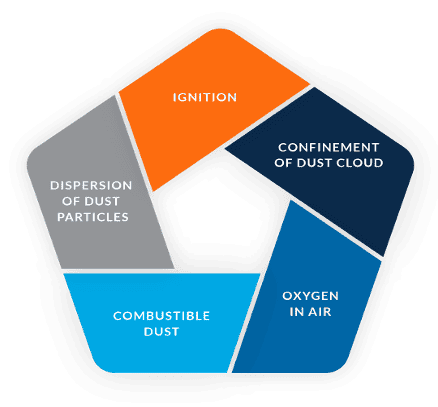
These events occur when enough fine combustible dust is whirled into the air within enclosed equipment and in the presence of an ignition source with sufficient energy. When these elements converge, the resulting pressure rise can rupture casings and eject lethal flames, blast waves and equipment fragments into the workspace.
The following are the most common ignition sources that may be found in these industrial processes, and if unaccounted for, could lead to a devastating explosion.
1. Hot Surfaces
Hot surfaces represent a major ignition risk, where the likelihood of an explosion depends on dust type, concentration and surface temperature. Generally, the risk increases with the size and temperature of the surface. Factors such as airflow—which may require higher temperatures for ignition due to shorter contact time—and the physical shape of the object influence this hazard.
Beyond obvious sources like heating coils, mechanical friction often generates hazardous temperatures. Key areas to monitor include:
- Worn or unlubricated bearings
- Braking systems
- Friction in shaft passages and glands
Furthermore, a layer of dust on a hot surface can ignite and act as a hotter pilot spot for a dust cloud ignition.
2. Mechanically Generated Sparks
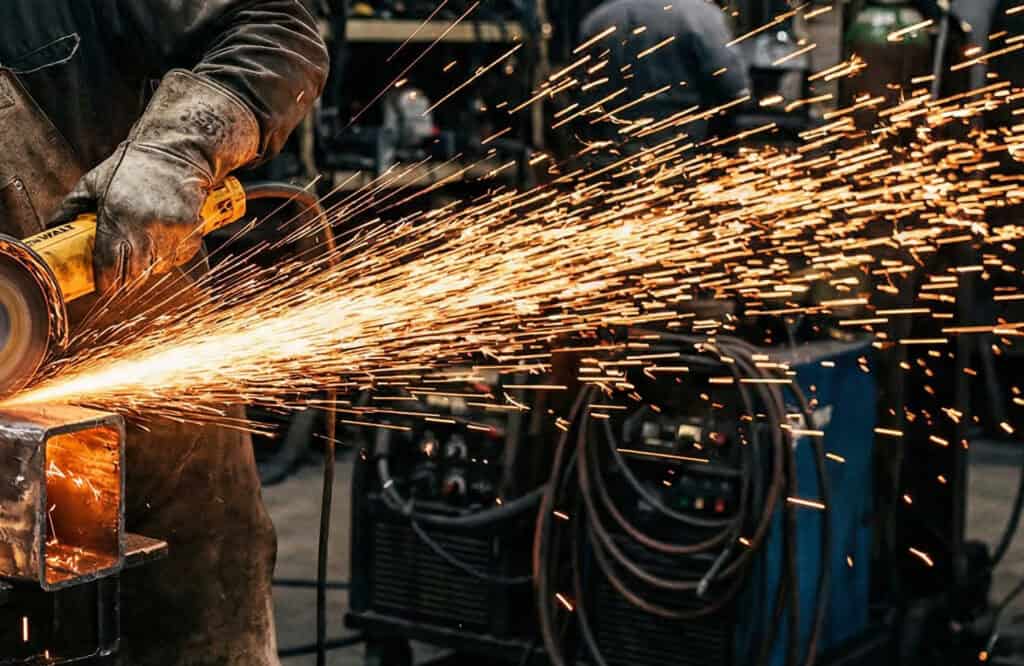
Mechanical work such as grinding, friction or impact can produce sparks and hot spots that ignite dust clouds or layers. These sparks are often tiny particles that become hot during the separation process; if composed of materials like iron or steel, they may react with oxygen to become even hotter in flight. Specific mechanical hazards include:
- Tramp Metals: Stray metal or stones entering a machine
- Mechanical Malfunctions: Two pieces of metal or ceramic rubbing together
- Thermite Reactions: Dangerous high-energy sparks caused by light metals (aluminum, magnesium) striking rusty steel
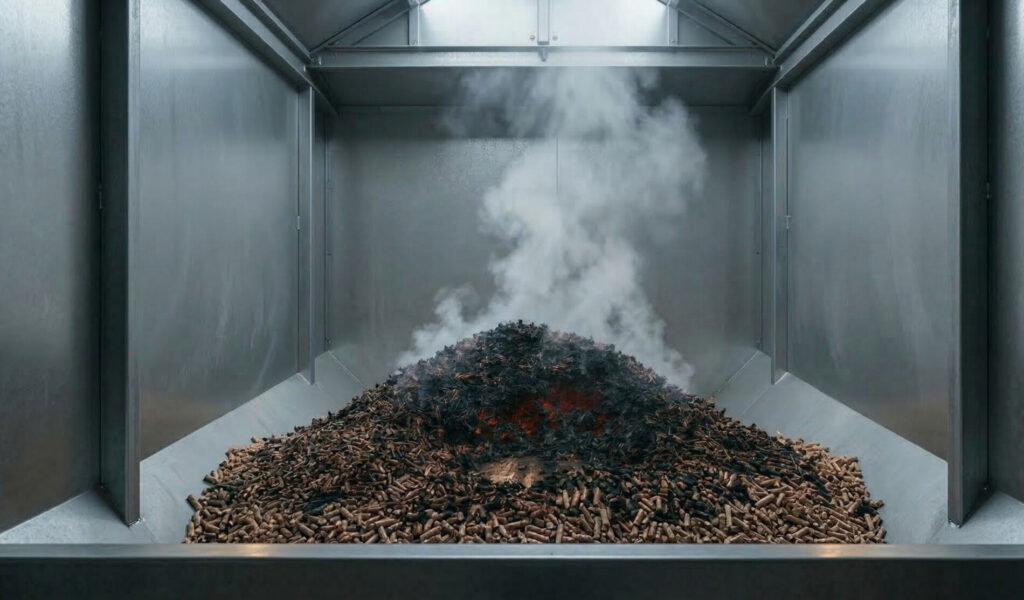
- Sensitive Metals: Titanium and zirconium can spark upon hitting any hard surface. Even if a spark does not cause an immediate explosion, it can start a smouldering fire in a dust pile, which may later trigger a massive explosion if disturbed
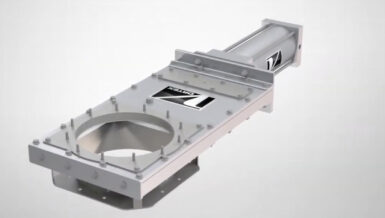
Example mechanical process equipment that can generate such sparks are mills, bucket elevators, rotary valves and screw conveyors.
3. Electrical Equipment
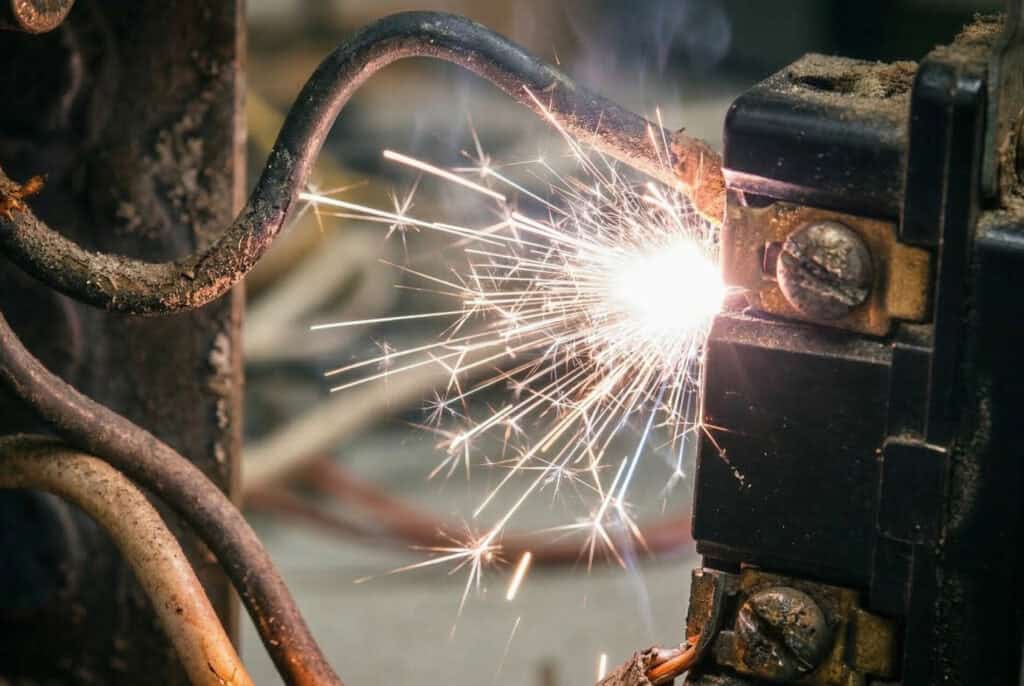
Electrical hazards manifest as either electric sparks or hot surfaces, occurring during normal operation or equipment failure. Common causes include:
- Natural sparking when circuits open or close
- Arcing: Sparks jumping across gaps due to loose connections
- Short Circuits: High-energy sparks and intense heat from equipment failure
- Overloading: Overheated motors and wiring caused by working beyond capacity
- Cooling Failures: Blocked vents leading to dangerous surface temperature rises
4. Static Electricity
Static builds up when materials rub or separate quickly, releasing energy as a discharge. Common types include:
- Sparks: Energy released from ungrounded conductive parts
- Brush Discharges: Occurring on non-conductive surfaces like plastics; these can only ignite dust clouds if flammable gas is also present
- Propagating Brush Discharges: High-power versions from fast-moving processes like drive belts
- Cone & Cloud Discharges: Occurring within the dust itself during settling or swirling
5. Flames and Hot Gases
Open flames and high-heat gases (often exceeding 1,000°C) are the most effective ignition sources. Even invisible hot gases rising from a fire can carry enough energy to trigger an explosion.
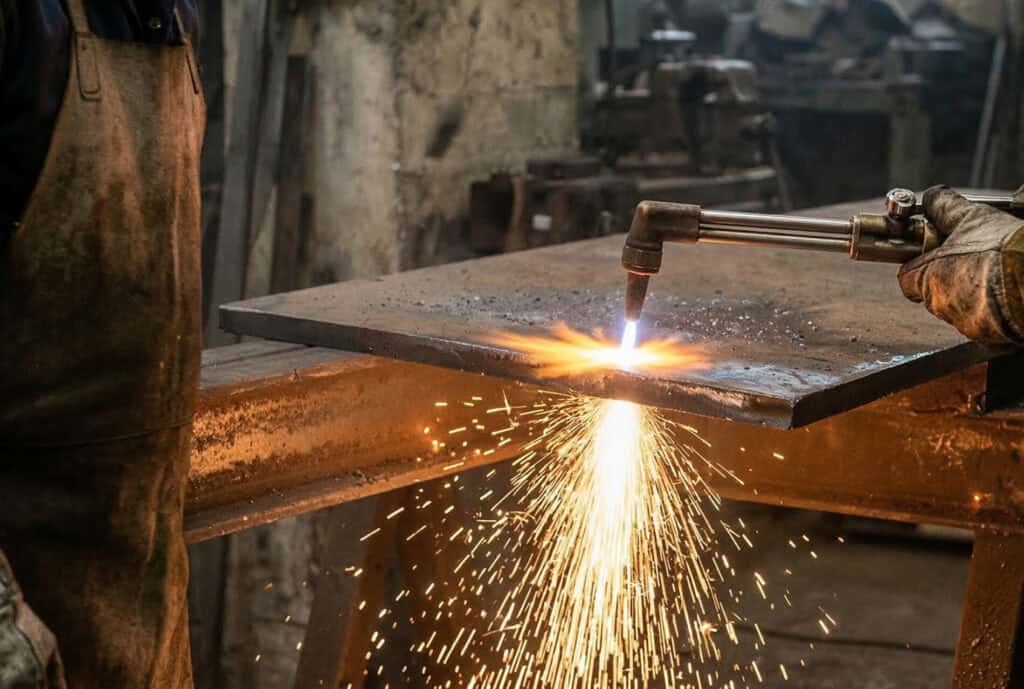
“Hot Work” such as welding and thermal cutting is particularly hazardous. The resulting welding beads are droplets of molten metal with large surface areas that remain hot for long periods, easily starting fires in dust layers. Such activities should only occur under strict “Hot Work Permit” protocols.
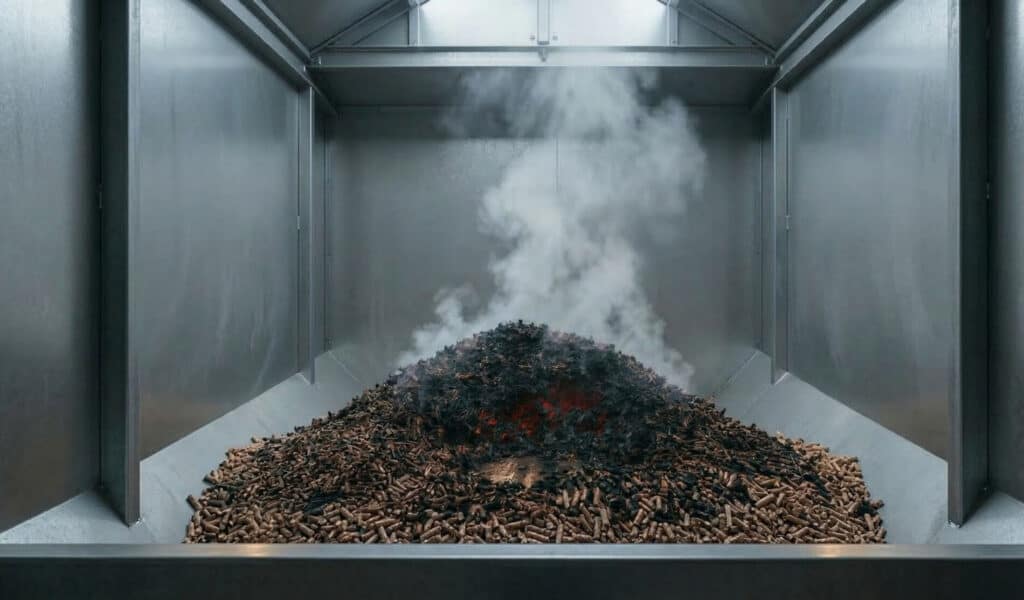
6. Exothermic Reactions and Self-Heating
Chemical processes that release heat become dangerous when heat generation exceeds the cooling rate. Biological processes in grain (bacteria/mold) or the natural reaction of certain dusts with oxygen can lead to self-ignition. Some reactions also release flammable gases, creating secondary explosive atmospheres. Key variables include:
- Volume: Large piles hold heat better at the “core”
- Ambient Temperature: Warmer environments hinder cooling
- Residence Time: Longer undisturbed periods allow for greater heat buildup
7. Stray Electric Currents
Stray currents flow through unintended paths like building frames or pipes. They typically originate from power return paths (near railways/industrial systems) or electrical faults like grounding failures. These currents can cause sparks when metal parts are connected or disconnected, or they can heat the metal path itself into a dangerous hot surface. All conductive parts must be bonded to maintain the same electrical potential.
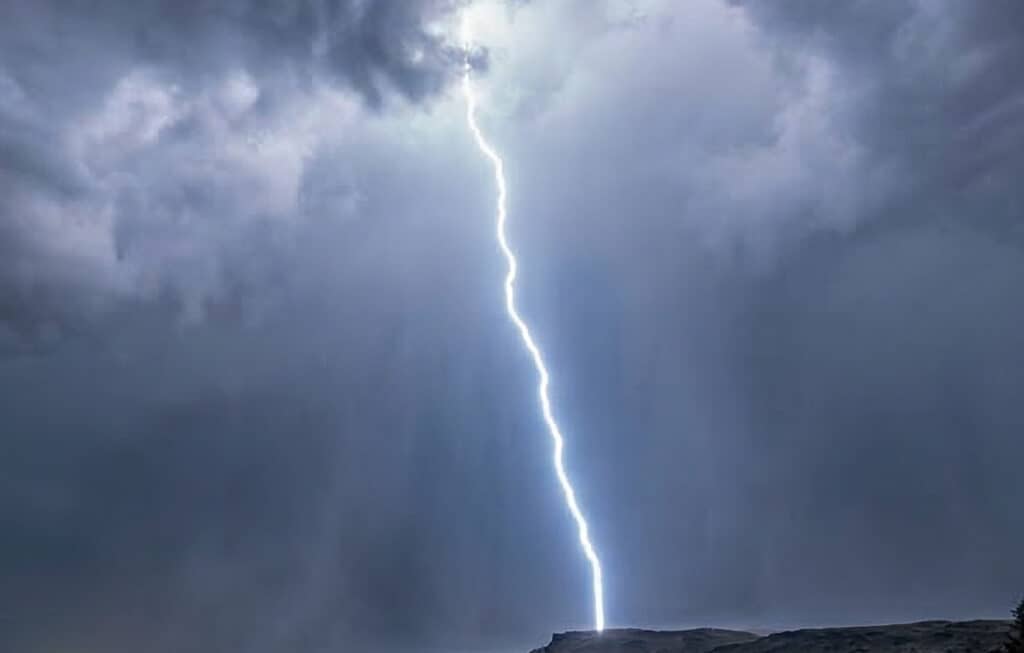
8. Lightning and Thunderstorms
A direct lightning strike will instantly ignite a dust cloud. However, even indirect hits are dangerous: lightning rods can reach ignition temperatures, and large currents can jump gaps in equipment. Furthermore, atmospheric electricity during a storm can induce high voltages in machinery, leading to unexpected sparking. Facilities require certified, inspected lightning protection and grounded tall structures.
9. Radiation and Ultrasonics
Energy moving through the air (radio waves, light, or sound) can be absorbed and converted into heat or sparks. Examples include:
- Radio Frequency (RF): Metal parts can act as antennas, picking up enough energy to create sparks
- Light/Lasers: Focused sunlight (via glass bottles) or high-powered lasers can create intense hot points
- Ultrasonics: High-frequency sound waves can create “anti-nodes” where absorbed acoustic energy creates dangerous hot spots
10. Ionizing Radiation
X-rays or radioactive materials can cause ignition through energy absorption by dust particles or internal heating of the radioactive source itself. Radiation can also break chemical bonds, creating “highly reactive radicals” that catch fire more easily than the original material. Sensors using these sources must be shielded, rated for hazardous areas, and regularly inspected for hot spots.
11. Pressure Hazards: Compression and Shock Waves
Rapid air pressure changes can generate intense heat without sparks or flames.
- Adiabatic Compression: Rapidly squeezed gas heats up instantly, acting as an invisible ignition source for trapped dust.
- Shock Waves: Sudden gas releases travel faster than sound; when they hit obstacles like pipe bends or closed valves, temperatures can spike dramatically at the point of impact. To mitigate these, valves should be opened slowly, and pneumatic systems should be designed to minimize sharp bends.
Worker security policies must prioritize preventing explosions, primarily by ruling out all potential ignition sources where explosive dust clouds cannot be avoided.
Consult Fike for an ignition risk assessment in accordance with explosion-prevention standards and directives such as EN 1127-1, ATEX Directive 2014/34/EU and ATEX Directive 1999/92/EC.