


The Cost of Poor Moisture Management in Manufacturing
Uncontrolled moisture shows up as brittleness, cracking, warping, poor adhesion, microbial risks, and reduced shelf life as well as scrap, rework, and customer complaints. In weight-sensitive products, excess moisture means giving product away, while over-drying shrinks saleable output. In lean terms, it creates defects, overprocessing, excess energy use, and rework all at once.
Real-Time Moisture Measurement for Lean Manufacturing and Continuous Improvement
Real-time, in-line moisture measurement changes the game. Instead of waiting on lab results, operators and improvement teams see variability as it happens, lock in optimal operating windows, and use live data for SPC and standardized work. Abnormal trends can even flag airflow issues, burner problems, or feed inconsistencies before they turn into downtime.
Non-Contact Infrared Moisture Sensors for Energy Savings and Sustainability
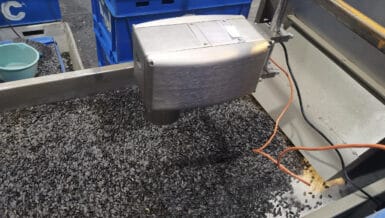
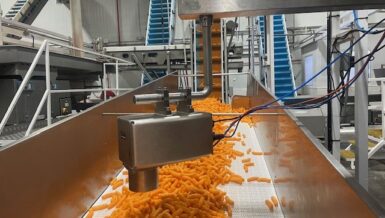
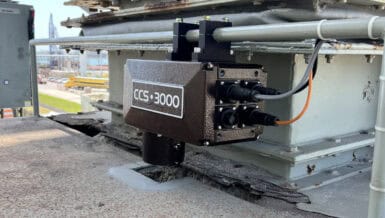
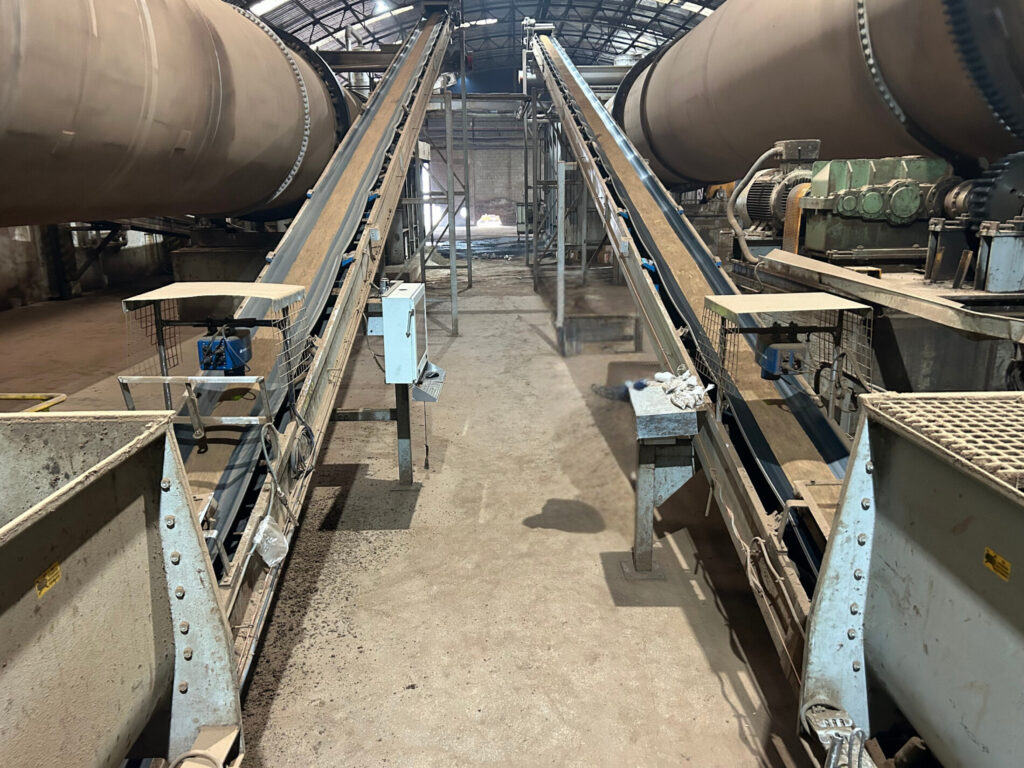
Modern non-contact infrared sensors from MoistTech mount above conveyors, integrate with existing PLC and SCADA systems, and provide continuous moisture data for automated dryer control. They require no consumables or sample prep, so they fit naturally into lean and sustainability workflows without adding complexity. The same data that drives tighter control also quantifies reductions in energy use, scrap, and material giveaway to support both cost savings and ESG goals.
Making Moisture Measurement a Strategic Variable in Smart Manufacturing
Lean manufacturing and sustainability both depend on disciplined, data-driven resource management. When measured continuously and controlled precisely, moisture stops being a secondary parameter and becomes a strategic lever for performance, profitability, and environmental responsibility.