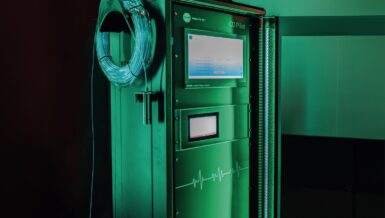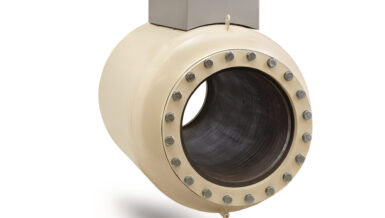




In modern manufacturing environments, this digital transformation focuses on using predictive insights, AI-driven risk management, and IoT monitoring to eliminate workplace hazards. However, the success of high-level digital strategies depends on the reliability of physical hardware at the source of production.
While digital twins and smart sensors optimise systems-level safety, the most critical risk reductions occur where personnel interact with mechanical equipment. A primary focal point for improving plant safety is the flexible connector within bulk material handling systems.
Modern solutions like BFM® fittings are replacing traditional hose clamps to eliminate common failure points, providing the mechanical consistency required for automated safety monitoring and resilient industrial operations.
Reducing Risk at the Source
Manufacturing production and H&S managers know that traditional clamp-style connectors represent a recurring safety challenge. These systems often require tools, awkward access, and manual adjustments, creating a range of potential hazards:
- Working at height during installation or replacement.
- Exposure to moving equipment and hot process materials.
- Dust release during maintenance.
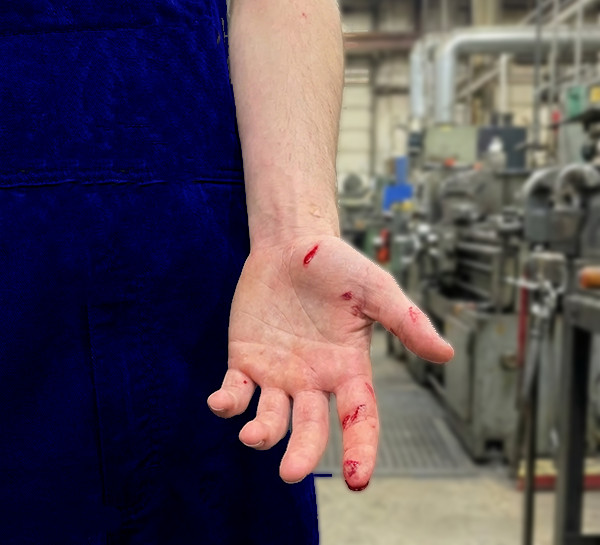
- Hand injuries from sharp clamps, clips, or over-tightening.
- Improvised fixes when connectors fail unexpectedly.
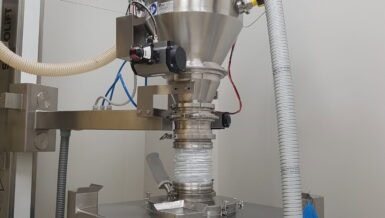
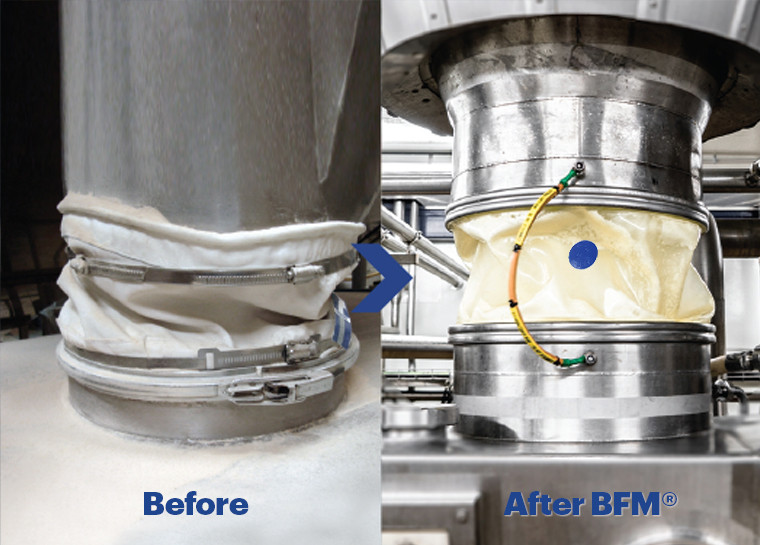
BFM® fittings address these risks through a snap-fit design that eliminates clamps and simplifies installation. Because connectors simply push into place, installation is completed faster and with fewer tools, directly supporting the OSH principle of designing hazards out of the system rather than managing them after the fact.
The Psychosocial Benefit: Reducing Maintenance Stress
The 2026 OSH focus also touches on the psychosocial well-being of workers. The mental load of maintenance, such as worrying about whether a clamp is tight enough, or the frustration of working with poorly designed equipment contribute to workplace stress and burnout.
BFM® fitting’s snap-fit design not only simplifies the worker’s task, it eliminates the source of anxiety ie. the uncertainty of the fit. When the worker correctly installs a BFM® fitting, there is a clear, tactile click, leaving no room for doubt and reducing the cognitive load on maintenance staff. This provides peace of mind for H&S managers, knowing that the human error factor has been significantly engineered out of the process. This shift from manual guesswork to mechanical certainty fosters a more confident, less stressed workforce.

Supporting Predictive Maintenance and Digitalisation
Modern manufacturing practice emphasises predictive maintenance and data-driven decision-making which both rely on one essential factor: equipment consistency. Connector failures introduce unpredictable variables into otherwise well-monitored systems. A leaking or shifting connector can create noise that interferes with digital monitoring.
By providing repeatable performance, BFM® fittings create a stable environment where digital tools can deliver more accurate insights. For example:
- Improved sensor accuracy: Reduced dust leakage prevents sensor fouling.
- Visual inspection systems: Consistent connector positioning and transparent materials such as Seeflex polyurethane supports automated optical monitoring.
- Asset management: A longer connector lifespan enables AI to better predict and schedule maintenance windows.
In this way, improved mechanical reliability directly supports digital safety strategies, aligning physical equipment with AI-driven operational intelligence.
Minimising Maintenance Exposure
Every time a connector requires adjustment, workers are potentially exposed to elevated platforms, dust risks and potential hand injuries. BFM® fittings are engineered to minimise these interventions.
The snap-fit system reduces replacement time to mere minutes, significantly reducing for maintenance staff’s exposure hours. Furthermore, a longer service life means fewer replacements overall. For managers, this translates to:
- Reduced maintenance frequency.
- Improved compliance with safety procedures.
- Less disruption to production schedules.
Improving Dust Containment and Air Quality
Dust containment is a critical priority in any bulk material handling plant. Poorly sealed connectors contribute to respiratory exposure, slip hazards, and the potential for dust explosions.
BFM® fittings provide a secure, uniform seal that prevents leakage. As digital air quality monitoring becomes standard, consistent containment will become even more valuable; it allows systems to detect genuine process changes rather than reacting to inconsistent hardware performance.
Supporting Safer Installation by Design
One of the most significant benefits of standardised design is the reduction of improvisation. Traditional connectors often encourage makeshift solutions such as using incorrect clamps or adapting incompatible parts during urgent repairs.
BFM®’s standardised snap-fit connectors remove this variability. When installation is simple and repeatable, the need for unsafe modifications is eliminated. This supports stronger procedural compliance and reduces reliance on individual workarounds. In a workplace where maintenance schedules are becoming guided by AI, this consistency is indispensable.
A Practical Step Toward Smarter, Safer Manufacturing
Digital transformation is most effective when paired with smart physical design. BFM® fittings represent how targeted engineering improvements deliver meaningful outcomes that support both immediate risk reduction and long-term digital strategies:
- Reduced maintenance exposure and cognitive load.
- Improved dust containment and air quality.
- Simplified, tool-free installation.
- Alignment with predictive maintenance systems.
As organisations continue to adopt AI-driven monitoring, the importance of reliable hardware will only increase. By addressing connector challenges today, manufacturers take a practical step toward a safer, more resilient future.