


The dry bulk solids and powder handling industries were frequently treated as a secondary consideration. It was a widely held belief that because powders lacked moisture, they were inherently safer from microbial threats.
That paradigm has shifted dramatically.
Why Are Dry Powder Hygienic Standards Changing?
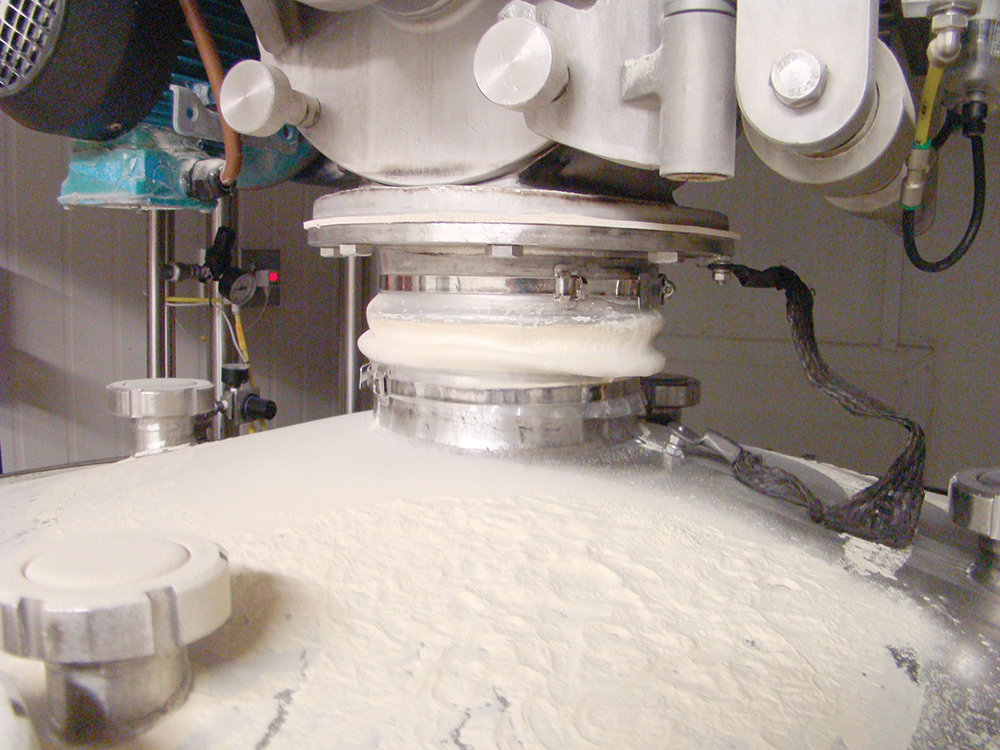
In recent years, global standards bodies and regulatory agencies have aggressively updated their focus toward dry bulk solids and powder handling. This regulatory transformation is driven by a stark reality:
- Microbial Outbreaks: Persistent Salmonella and Cronobacter outbreaks in powder plants worldwide.
- Severe Recalls: A series of high-profile, catastrophic infant formula recalls.
- Allergen Risks: Widespread allergen cross-contamination incidents.
When ambient moisture inadvertently enters a powder line, or when dust accumulation creates a localized micro-environment, a biological or cross-contact hazard can trigger rapidly.
As the international manufacturing community recognizes World Milk Day (June 1st) and World Food Safety Day (June 7th), plant engineers and Quality Assurance (QA) managers must re-evaluate their facilities through the lens of modern hygienic compliance.
The Auditor’s New Lens: Vulnerability of Equipment Transition Points
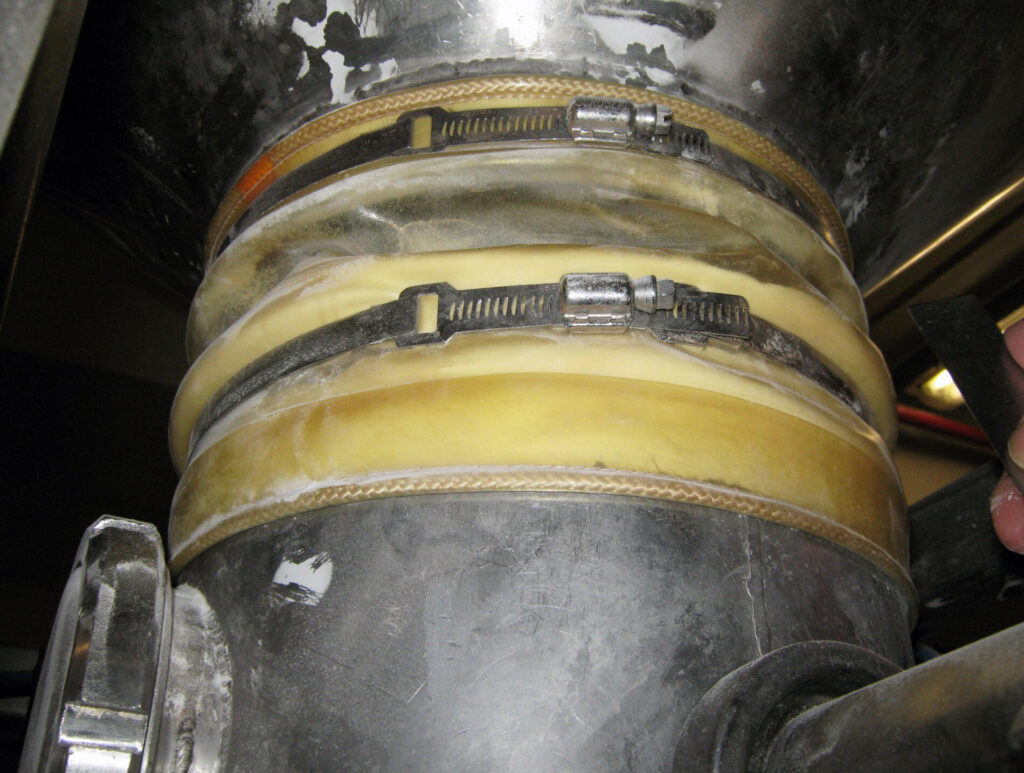
Modern food safety auditors and compliance officers no longer just glance at stainless steel silos, mixers, and primary processing vessels. Today, inspections drill directly into equipment transition points—the critical gaps where differential movement occurs, components shift, and product flows through flexible sleeves.
Traditional flexible connectors secured by external worm-gear hose clamps represent one of the single greatest operational and biological risks in a modern dry bulk facility. From a QA perspective, a clamped sleeve is a multi-layered failure mechanism:
- The Product Trap: Powder easily migrates under the cuff of a clamped sleeve. Over time, this trapped material degrades and becomes a breeding ground for bacteria or an un-cleanable source of allergen cross-contamination.
- Dust Leakage & Explosion Risks: Clamped sleeves rarely achieve a 100% dust-tight seal under positive pressure. Escaping dust creates secondary housekeeping hazards, risking catastrophic combustible dust explosions.
- The Human Factor: Re-installing a clamped connector correctly is highly operator-dependent. Overtightening can pinch or cut the material, while under tightening causes it to blow off under pressure spikes.
During a modern food safety audit, these transition points are actively targeted as high-probability locations for contamination.
Bridging the Compliance Gap with BFM® fitting Systems
To meet the rigorous expectations of updated EHEDG, USDA, and 3-A standards, mechanical engineers and QA teams are systematically replacing legacy clamped connectors with the BFM® fitting system.
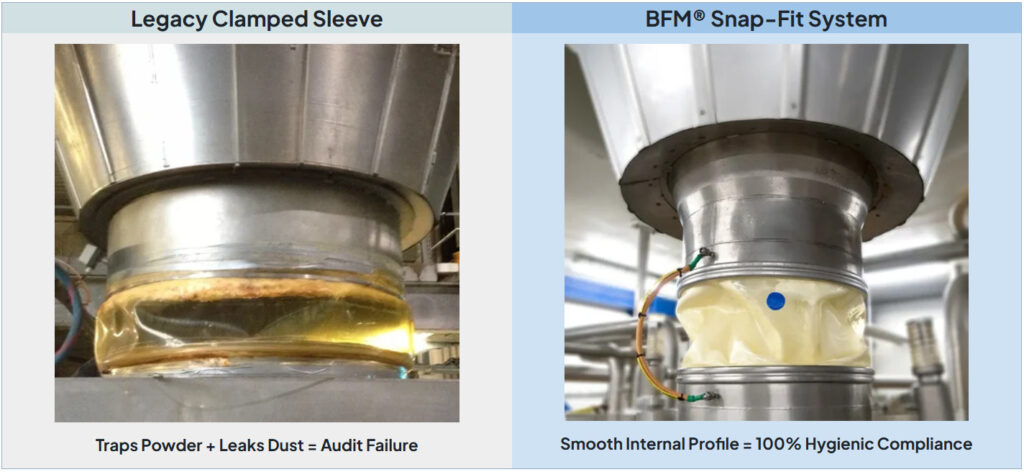
The BFM® fitting reimagines the transition point entirely by replacing unreliable external clamps with an internal, tool-free snap-fit seal.
Key Benefits of BFM® Fittings for Hygienic Processing:
- Zero Product Traps: Because the flexible sleeve features integrated tensioned cuffs that snap outward into a precision-machined spigot, the seal is formed from the inside out. The internal profile is perfectly smooth, continuous, and flush.
- Compliant Materials: The most widely used BFM® connectors are manufactured from Seeflex 040E—a transparent, ether-polyurethane that complies fully with FDA, EC, and 3-A sanitary guidelines.
- Visual QA Inspection: The transparency of Seeflex 040E allows visual confirmation of material flow and cleanliness without needing to physically open an inspection port.
Containment, Pressure, and Operator Consistency
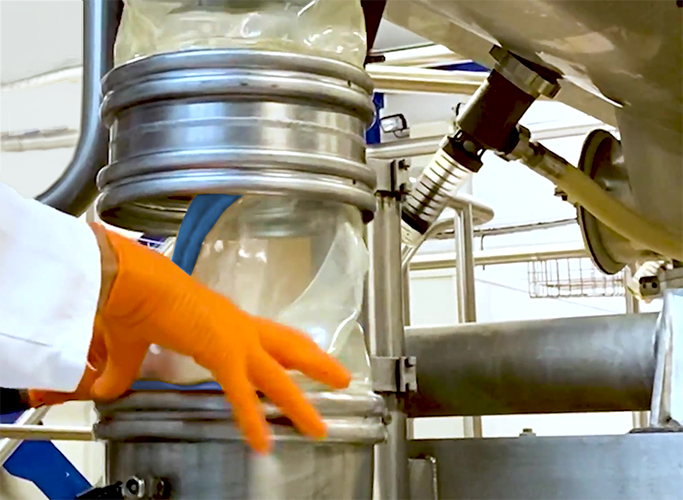
Beyond microbial control, modern hygienic standards require strict process isolation. The bulk solids industry is acutely aware that secondary dust explosions often occur when a primary blast ruptures vulnerable flexible connections, releasing fuel into the plant.
The patented snap-fit mechanism of a BFM® fitting actually tightens under internal pressure spikes, providing verified explosion resistance that traditional hose-clamp systems cannot match.
For plants utilizing advanced Clean-In-Place (CIP) or Clean-Out-of-Place (COP) protocols, the BFM® system allows for tool-free removal and replacement in under 30 seconds. This drastically reduces sanitation downtime while eliminating the variability of operator installation error. Plant managers gain predictable, repeatable compliance on every shift.
A Commitment to a Safer Food Supply Chain
True food safety requires eliminating every blind spot in the processing line. For dairy powder producers, ingredients manufacturers, and nutritional QA teams, maintaining the status quo of clamped sleeves is no longer a viable option.
Upgrading to a BFM® fitting system is a strategic alignment with the world’s most aggressive hygienic design standards. By transforming high-risk, flexible transitions into seamless, dust-tight, and sanitary links, engineers and QA managers can confidently meet modern audit requirements, eliminate cross-contamination risk points, and safeguard the global food supply chain.