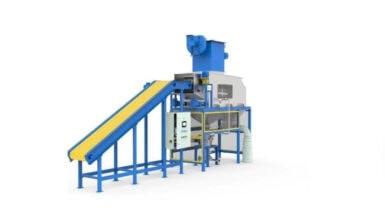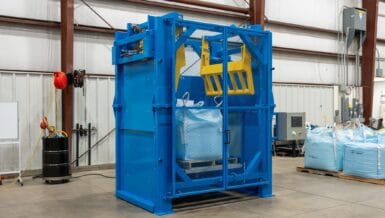



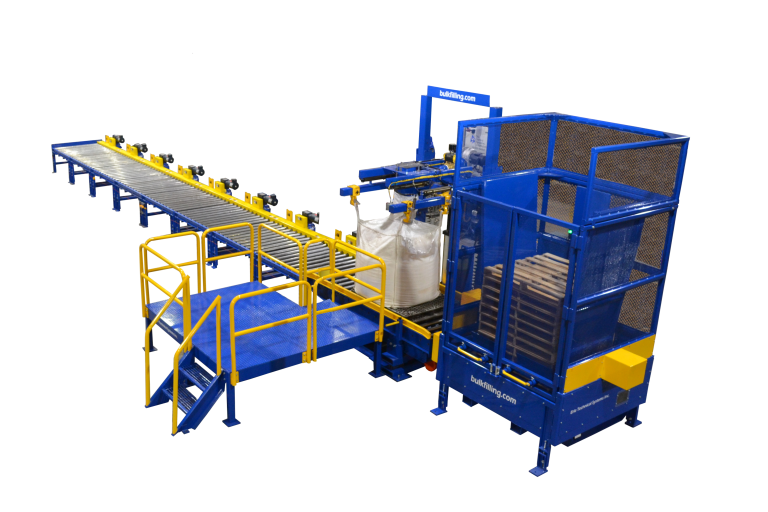
Whether you’re scaling production, improving efficiency, or reducing product loss, selecting the right bulk filling equipment can dramatically impact your operation.
In this guide, we’ll break down everything you need to know about bulk bag filling—from bulk bag filling machine types and key components to common challenges and best practices.
What Is Bulk Bag Filling?
Bulk bag filling is the process of transferring dry bulk materials into large flexible containers (FIBCs), typically ranging from 500 to 4,000 lbs capacity.
These bags are widely used because they:
- Reduce packaging costs compared to smaller bags
- Improve logistics and storage efficiency
- Minimize handling and labor requirements
Bulk filling systems are designed to deliver:
- Accurate weight control
- Dust containment
- Efficient filling cycles
- Safe and ergonomic operation
If you are new to bulk bags this bulk bag handling guide from FIBCA is a good first step in learning the safest ways to handle bulk bags. While bulk bag sizes and types are as varied as the materials that are packaged in them, an overview of the types of bags available and options for them can be found at Global-Pak.
Types of Bulk Bag Filling Systems
Choosing the right bulk bag filling system depends on your material, throughput requirements, and level of automation.
1. Manual Bulk Bag Fillers
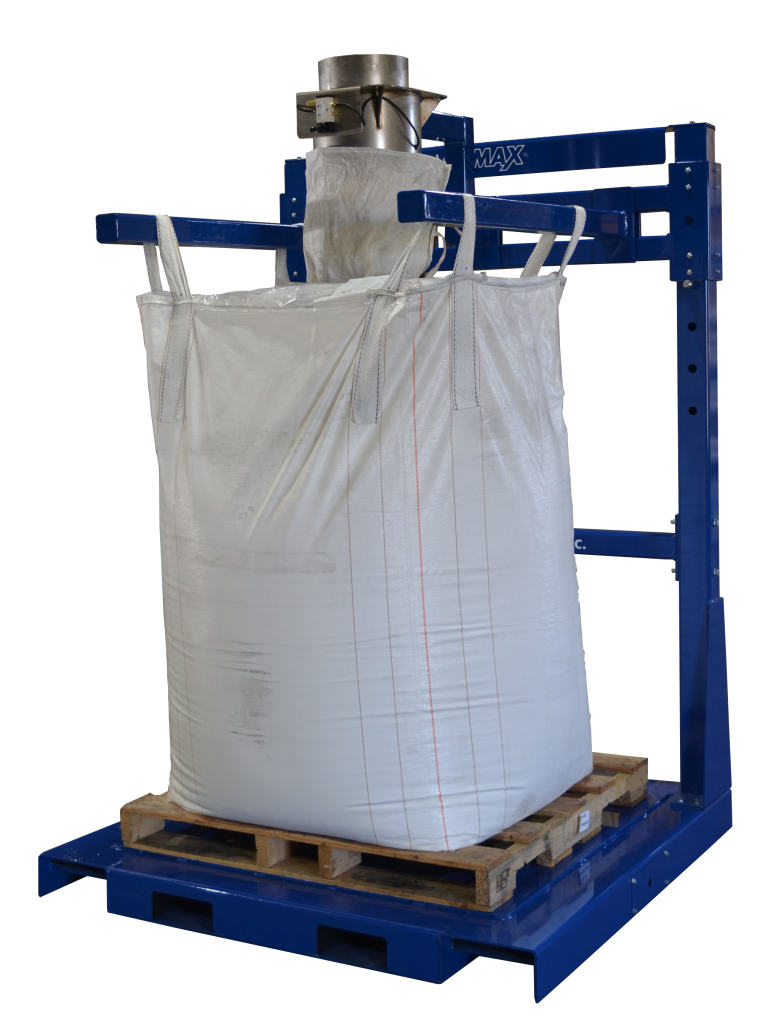
Best for low-volume operations or pilot plants.
Features:
- Operator-assisted filling
- Basic scale integration
- Low upfront cost
Limitations:
- Labor-intensive
- Slower throughput
- Less consistency
For details on lower through-put bulk bag fillers see our ValuMAX® bulk bag filler or DustMAX® bulk bag filling machine.
2. Semi-Automatic Bulk Bag Fillers
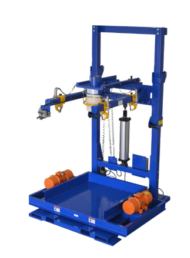
A balance between efficiency and cost.
Features:
- Automated weigh systems
- Pneumatic bag clamping
- Optional densification
Ideal for:
- Mid-size operations scaling production
3. Automatic Bulk Bag Filling Systems
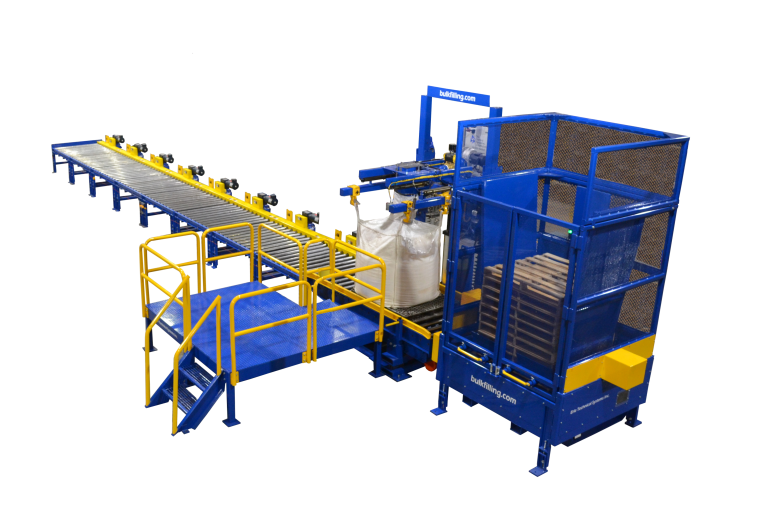
Designed for high-volume, continuous production.
Features:
- Automated bag placement and release
- Integrated conveyors and controls
- High-speed fill cycles
Benefits:
- Maximum throughput
- Reduced labor
- Consistent fill accuracy
For the highest throughput bulk bag filling our DensiMAX® bulk bag filler is the heart of our integrated bulk bag filling systems.
Key Components of a Bulk Bag Filling System
Understanding system components helps you make the right buying decision.
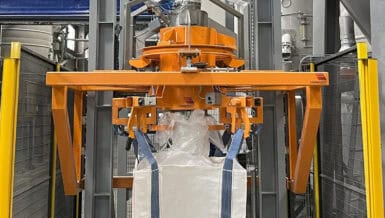
Fill Head Assembly
- Inflates and seals the bag spout
- Prevents dust leakage
Weighing System
- Load cells ensure accurate filling
- Critical for reducing product giveaway
Densification System
- Vibrates or compresses material
- Improves bag stability and fill consistency
Conveyor or Feed System
- Flexible screw conveyors
- Vibratory feeders
- Belt conveyors
Dust Collection Integration
- Essential for powders and fine materials
- Improves safety and cleanliness
Materials Commonly Packaged into Bulk Bags
Bulk bag systems are used across a wide range of industries:
Food Industry
- Flour, sugar, grains, starches
- Spices and additives
Key considerations:
- Sanitary design
- Easy cleaning
- Food-grade materials
Chemical Industry
- Resins, powders, granules, pellets
Key considerations:
- Explosion protection
- Grounding for static (Type C bags)
- Corrosion-resistant materials
Industrial Materials
- Minerals, aggregates, plastics
Key considerations:
- Abrasion resistance
- High throughput capability
How to Choose the Right Bulk Bag Filling System
Selecting the right solution depends on several critical factors:
1. Material Characteristics
- Flowability (free-flowing vs cohesive)
- Bulk density
- Dustiness
2. Throughput Requirements
- Bags per hour
- Continuous vs batch processing
3. Accuracy Requirements
- Tolerance for over/under filling
- Impact on product cost
4. Plant Layout
- Available space
- Integration with upstream/downstream equipment
5. Safety & Compliance
- Dust control
- Explosion protection
- Industry standards (OSHA, FDA, NFPA)
For additional insight into selecting the right bulk bag filler for your application, refer to our article – How to choose the right bulk bag filling system for your production line.
Common Challenges in Bulk Bag Filling Equipment
Many operations face similar issues—most of which can be solved with the right equipment design.
Inconsistent Fill Weights
- Cause: Poor scale calibration or material variability
- Solution: High-precision weigh systems + proper feeder control
Dust Generation
- Cause: Fine powders escaping during filling
- Solution: Sealed fill heads + dust collection systems
Slow Filling Speeds
- Cause: Inefficient feeding or manual processes
- Solution: Automated feeding systems and optimized controls
Bag Deformation or Instability
- Cause: Poor densification or improper filling technique
- Solution: Integrated densification systems
Best Practices for an Efficient Bulk Bag Filling Machine
To maximize efficiency and ROI:
- Use accurate weigh systems to prevent product giveaway
- Match your feeder type to material flow characteristics
- Integrate proper dust collection systems
- Regularly calibrate and maintain equipment
- Design systems with operator ergonomics in mind
Why Bulk Bag Filling Equipment Automation Matters
Automating your filling process can deliver:
- Higher throughput
- Reduced labor costs
- Improved consistency
- Safer working conditions
- Lower product loss
- For many facilities, automation provides a fast ROI through efficiency gains alone.
Partnering with the Right Equipment Manufacturer
Not all bulk filling machines are created equal.
When evaluating suppliers, look for:
- Experience with your industry and material type
- Custom-engineered solutions (not just off-the-shelf equipment)
- Strong integration capabilities
- Long-term support and service
At BulkFilling.com, we specialize in helping manufacturers optimize their bulk filling equipment with engineered solutions tailored to their materials, throughput, and plant requirements.
Final Thoughts
Bagging bulk products is more than just a packaging step—it’s a critical part of your production efficiency, product quality, and cost control. Selecting the right bulk bag filling machine for your current needs and future growth is essential and we can help!
Investing in the right system can:
- Improve throughput
- Reduce waste
- Enhance safety
- Lower operating costs