


If you’re looking at modifying the system, whether that be changing the collection process itself, adding or removing pickup points, rearranging ductwork, or switching equipment, the system design should be reviewed to make sure it can still provide the performance you require.
Process changes
When any system process is changed, the dust collection system can be affected. Changes can be as simple as a difference in the material going through your process, or as complex as a new equipment installation. Regardless, change affects the ways that the dust collection system handles particulate, and can affect factors like size, concentration, and hazard risk.
Replacing, repairing, or refurbishing equipment
Whether you are refurbishing equipment or upgrading it altogether, be mindful that the changes made can affect how your dust collection system operates. As touched on previously, the particulate generated might be smaller or more concentrated, but additional changes can crop up too. These could include adding or subtracting pickup points, adapting to required changes in airflow, and changes in location (and the appropriate ductwork) of pickup points. Adjusting pickup points can change the resistance (static pressure requirements) of the system, and these items should be reviewed when any changes are made.
Adding or removing equipment from the system
One of the most basic mistakes we see occurs when additional equipment is added to a dust collection system: when new elements are added, they require additional airflow that the dust collection system has to provide. Without appropriately modifying the system, airflow will be taken from the existing equipment (pickup locations), affecting dust pickup in existing areas. Dust particulate can subsequently escape from equipment out into the plant air or atmosphere. These changes can also alter the air’s velocity in the ductwork, allowing particulate to build up and further affect the system’s performance, plus increasing the risk of fire or explosion hazards.
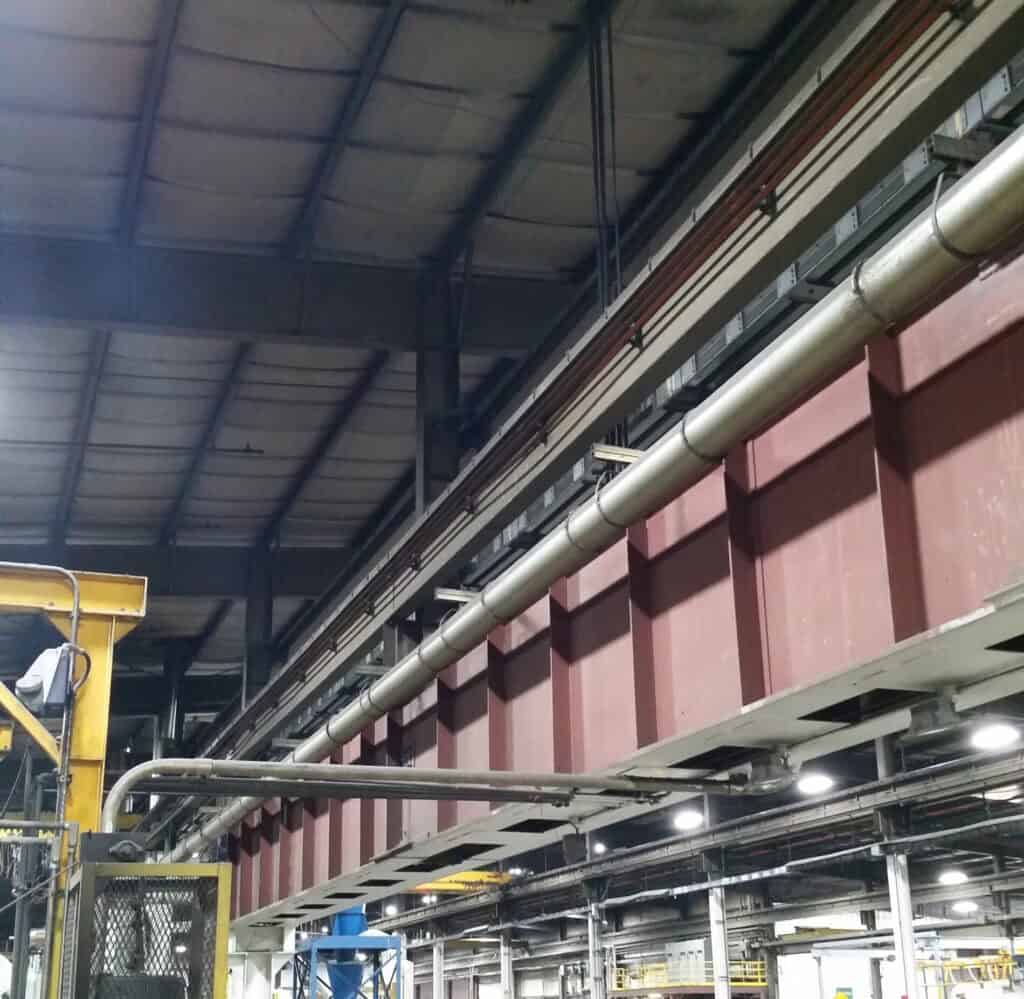
In terms of equipment removal, the airflow at the remaining pieces will increase and could cause increased particulate pickup (including the unintentional removal of valuable product).
In summary, regularly inspect and review the performance of your dust collection system to confirm that it is operating per the appropriate specifications. It is also crucial to examine whether your system can handle possible changes on both the process and dust collection sides.
How do you evaluate your dust collection system’s performance before, during, or after a process change?
System evaluations are the best way to answer questions like:
- Am I getting the right amount of airflow?
- Will installing or removing a piece of equipment affect the rest of my dust collection system? In what way?
- Are my hoods/pickup points in the right places?
- Why is dust building up in my ductwork?
- What changes do I need to make to the system with this process change?
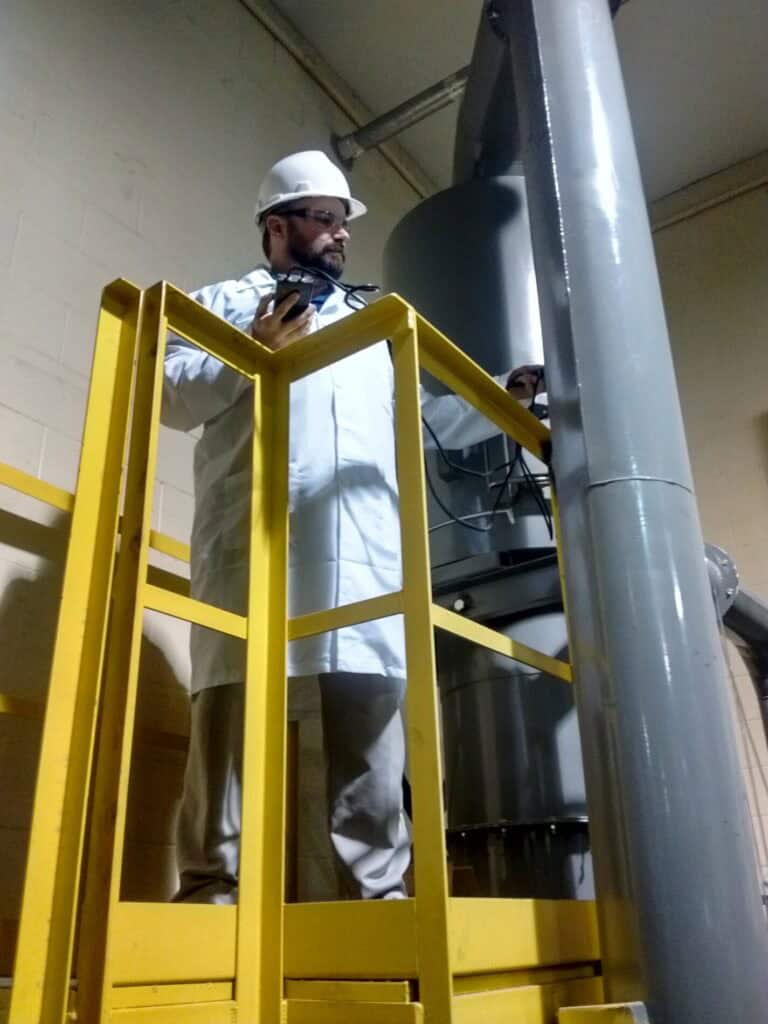
System evaluations are an assessment of the system’s current operation against intended operational conditions. A member of Aerodyne’s engineering team (or trusted representative, depending on your location), will walk the system to review operations, take airflow measurements, observe pressure drops, review ductwork, equipment location, pickup points, current (and proposed) equipment, exhaust fans, airlocks, safety equipment, and more. The end goal of these assessments is to give you recommendations on how best to support your system when it’s time for a process change or DHA, including suggestions for productivity, maintenance, operation, and compliance with necessary regulations.