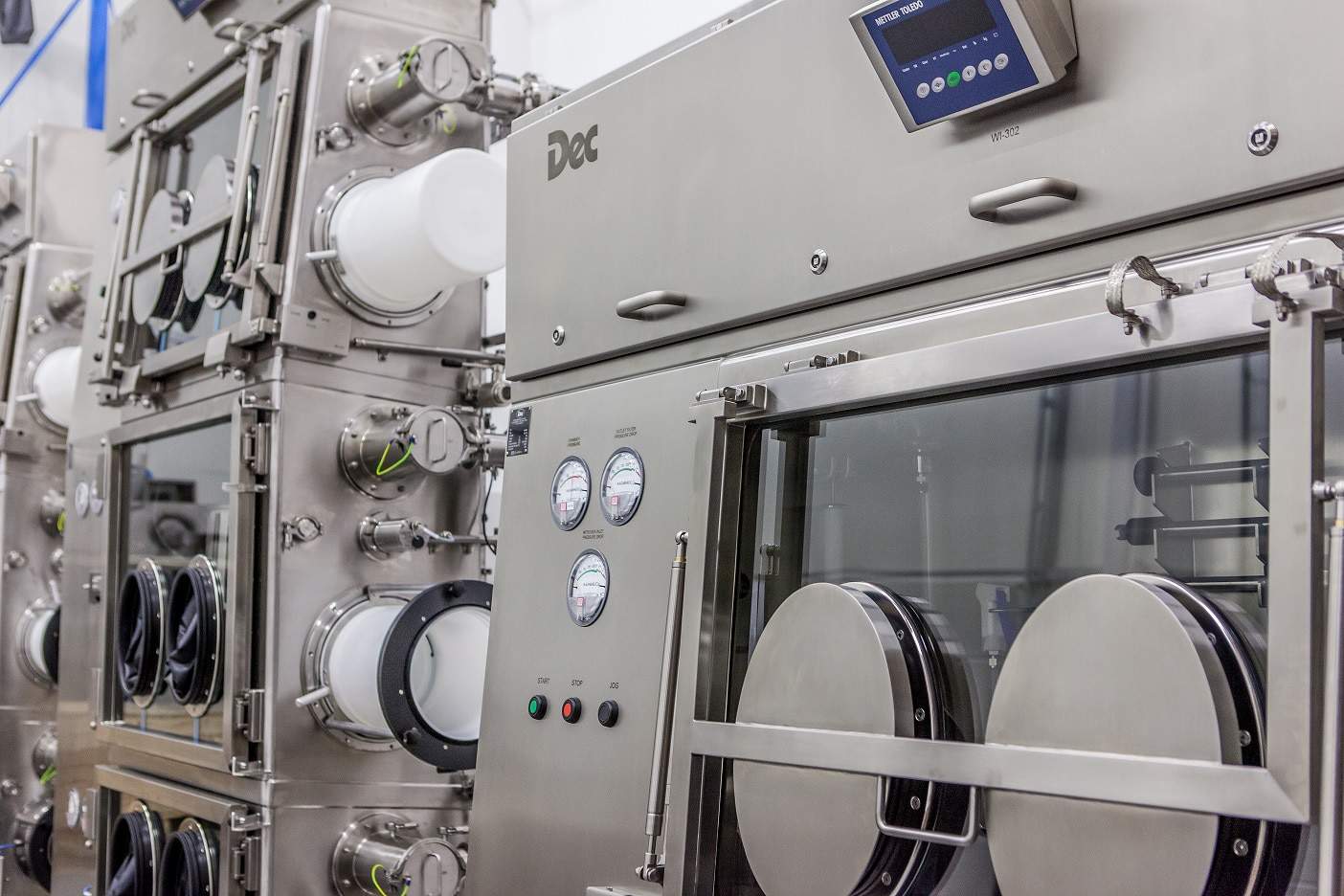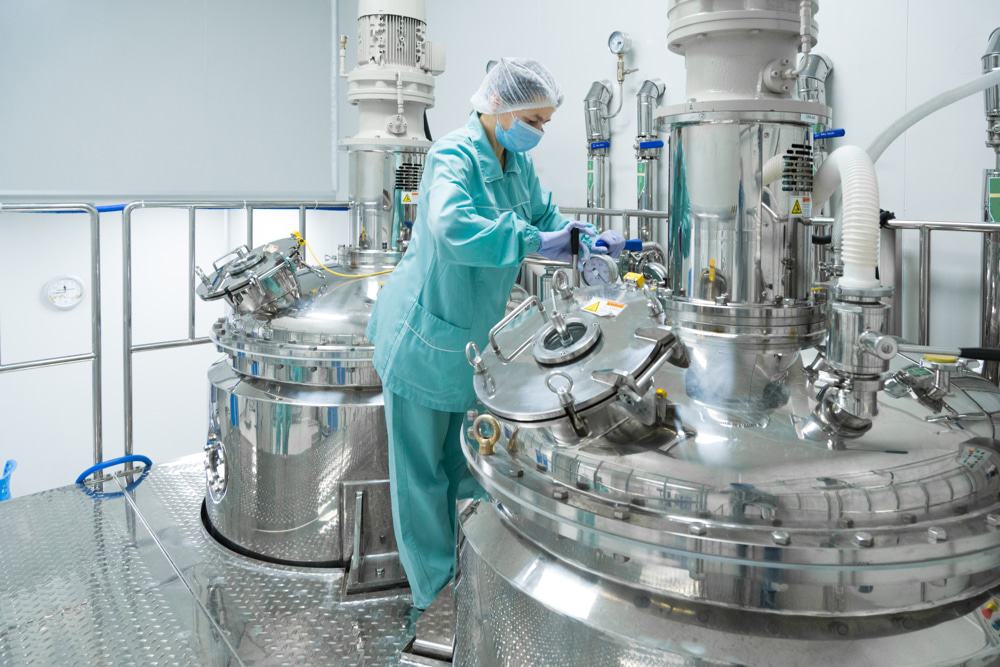

Why GMP is Decided in Everyday Life – and Not in Audits
What traceability, documentation and precise weighing processes really mean. The pharmaceutical industry is one of the most strictly regulated industries...
Read more

Pharmaceutical Powder Handling Survey – Share Your Insights
Pharmaceutical manufacturing demands precision, consistency, and regulatory compliance—yet powder handling challenges continue to impact efficiency, product quality, and scale-up performance....
Read more
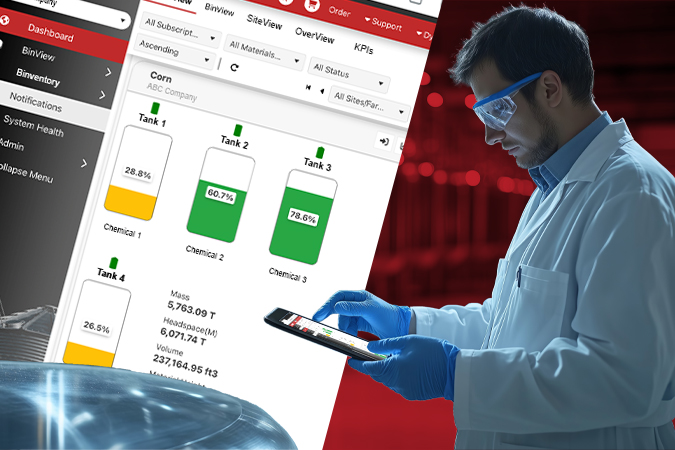
Reliable Bulk Inventory Control for Pharma Processing
Pharmaceutical manufacturers depend on precise, repeatable bulk material control to protect quality, safety, and compliance. Learn how BinMaster® level sensors...
Read more
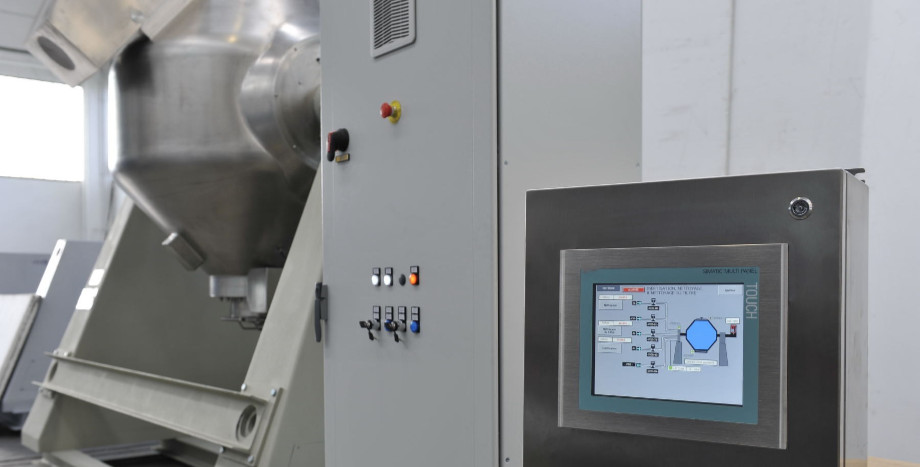
Professional Vacuum-Drying Equipment Designed for Pharmaceutical Manufacturing
Industrial vacuum drying systems are essential for pharmaceutical and fine chemical manufacturing, enabling precise solvent moisture removal while preserving heat-sensitive...
Read more
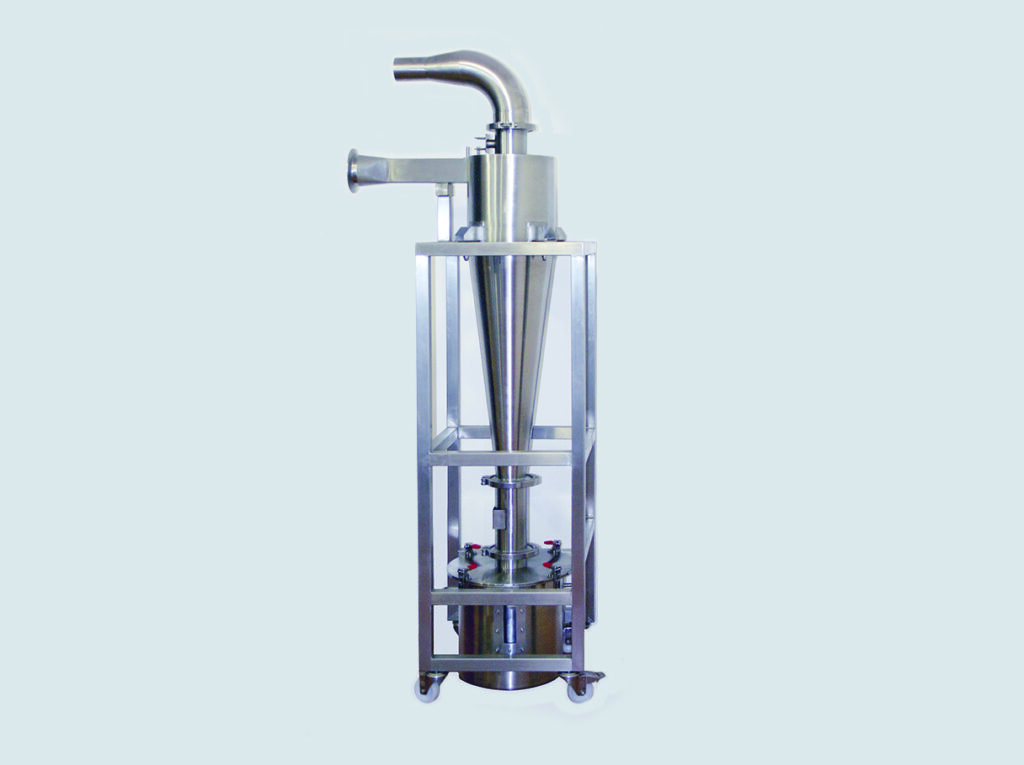
Cyclone Technology for Tablet Press Dust Control: High-Efficiency, Containment-Ready Solutions for Modern Pharmaceutical Manufacturing
In the pharmaceutical industry, where precision and cleanliness define both product quality and regulatory compliance, even the smallest amount of...
Read more

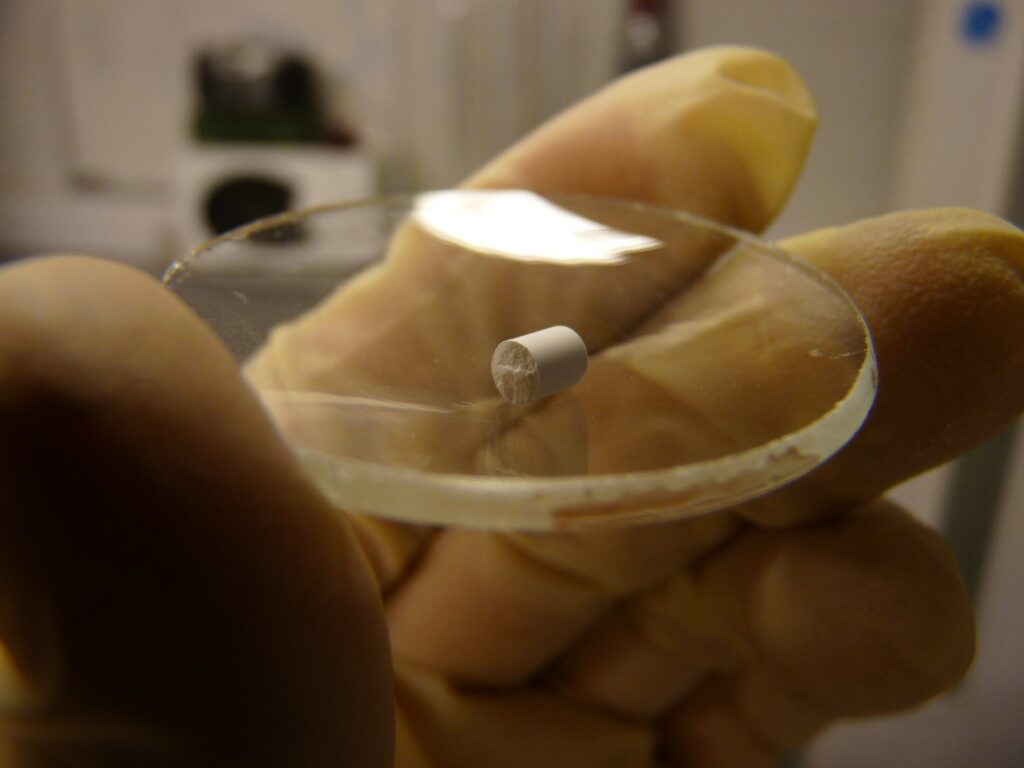
New one day short course: Storing and Handling Powders and Bulk Materials for the Pharma Industry
New one day short course in Chatham, Kent. 30 September 2025; 09:00 hrs – 17:00 hrs.
Read more
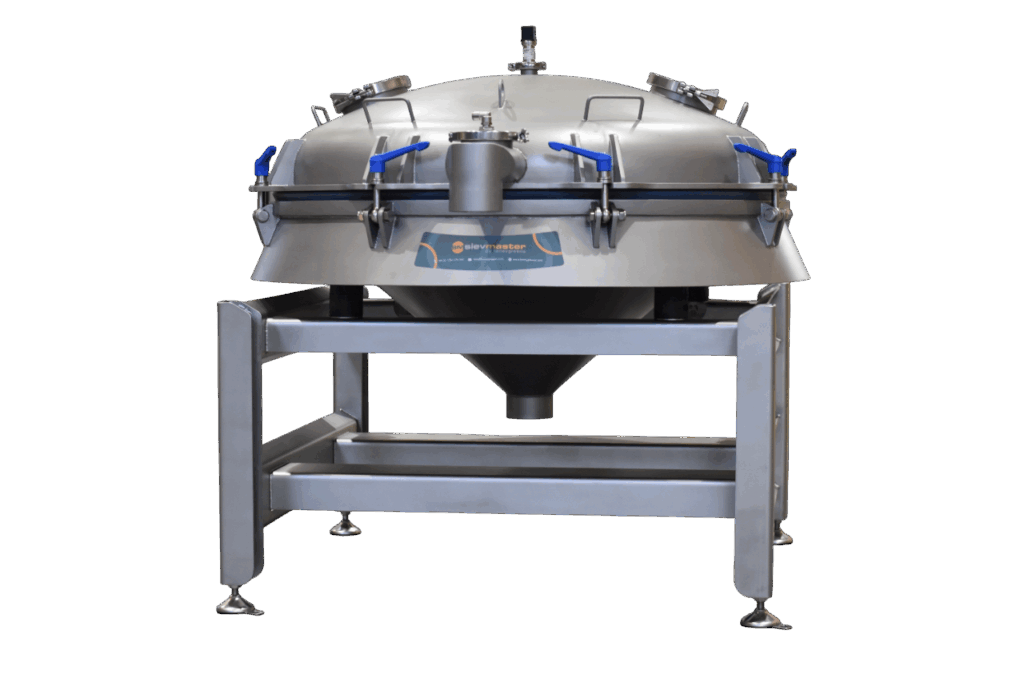
Smarter sieving by design: The NEW Sievmaster® Slimline 1250 Vacuum and Pressure Sieve
At Farleygreene, we believe great design is about more than just meeting standards – it’s about delivering practical improvements that...
Read more
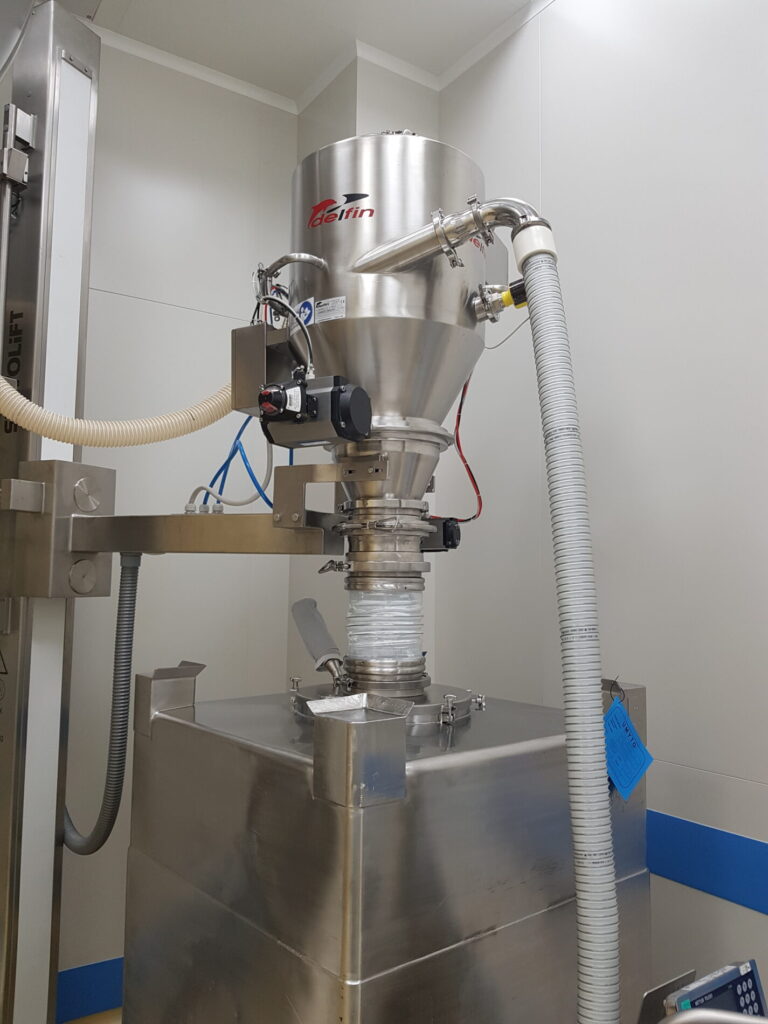
Efficiency and Safety in Pharmaceutical Applications
Delfin Conveyors has engineered the TECH 550E pneumatic conveyor to meet the most stringent requirements in the transfer of API (Active Pharmaceutical Ingredients) and HPAPI (Highly...
Read more
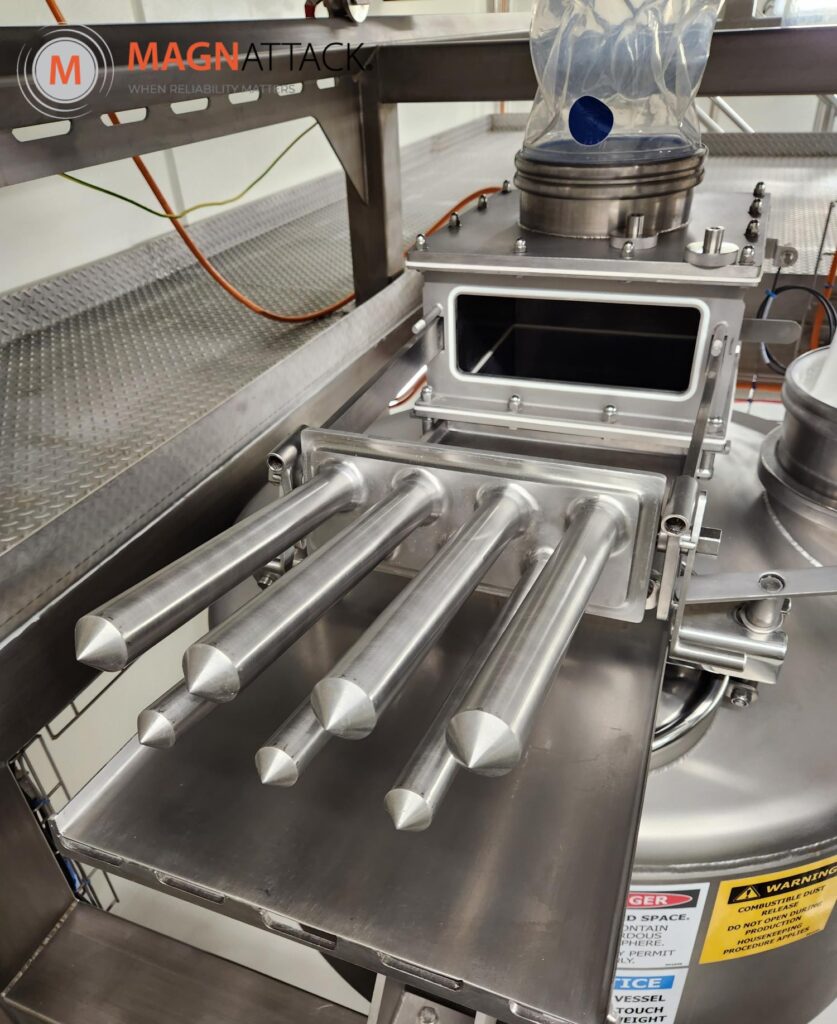
Safeguarding Pharmaceutical Purity: How Magnattack® Magnetic Separators Help Reduce Contamination Risks
In pharmaceutical manufacturing, even microscopic metal contaminants can compromise product integrity, trigger costly recalls, and endanger consumer health. Magnattack® magnetic...
Read more
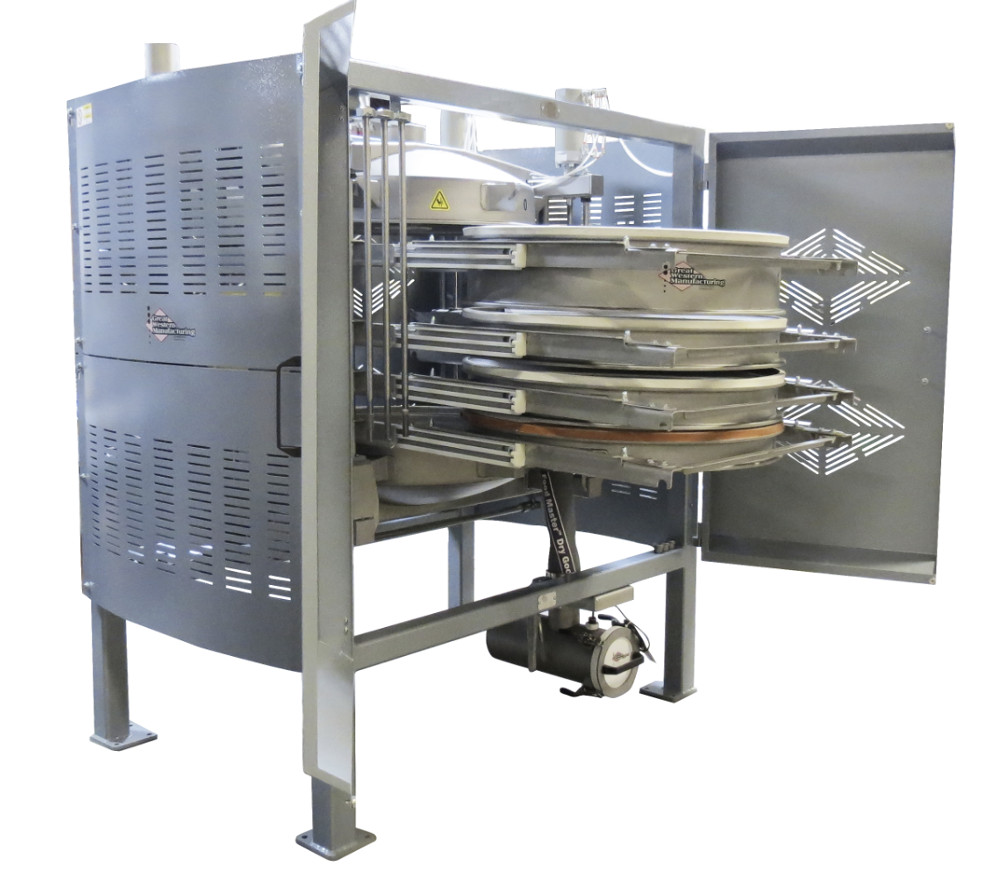
Pharmaceutical Sifter
Commercial stainless-steel sifters are essential in pharmaceutical manufacturing, ensuring product quality, safety, and regulatory compliance. Their role spans multiple stages...
Read more
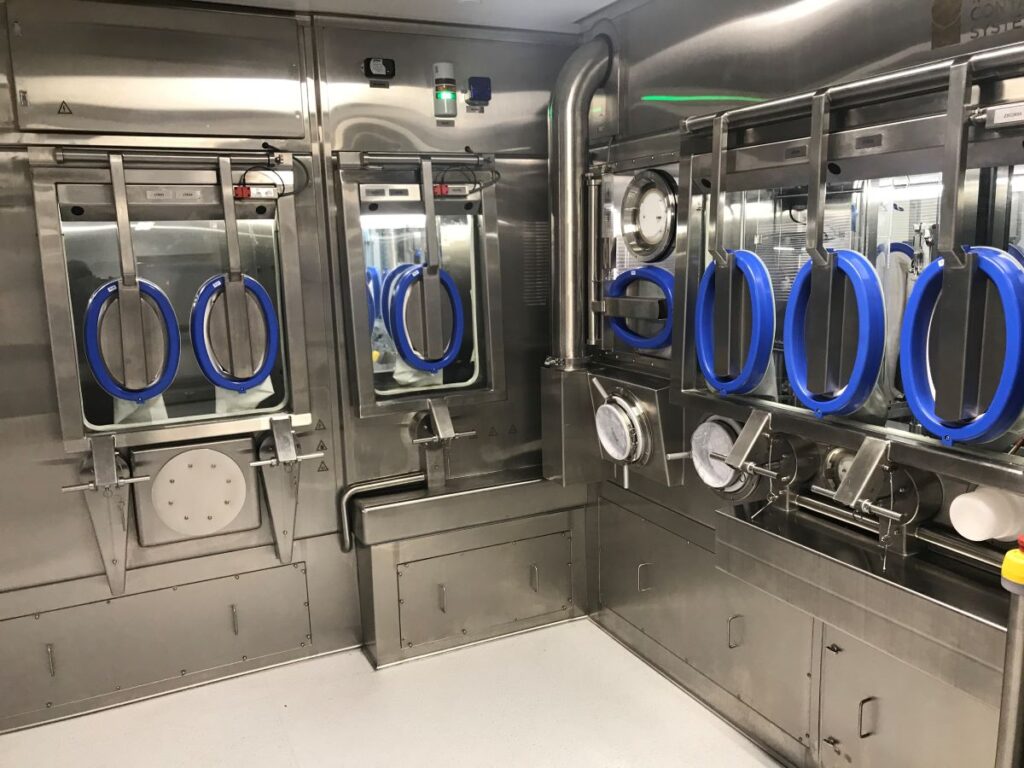
Engineering Efficiency at Scale: How UI Pharmaceuticals and Integrated Containment Systems Built a State-of-the-Art Sterile Manufacturing Line
In the fast-paced and highly regulated world of pharmaceutical manufacturing, innovation often happens where engineering precision meets regulatory expertise. This...
Read more
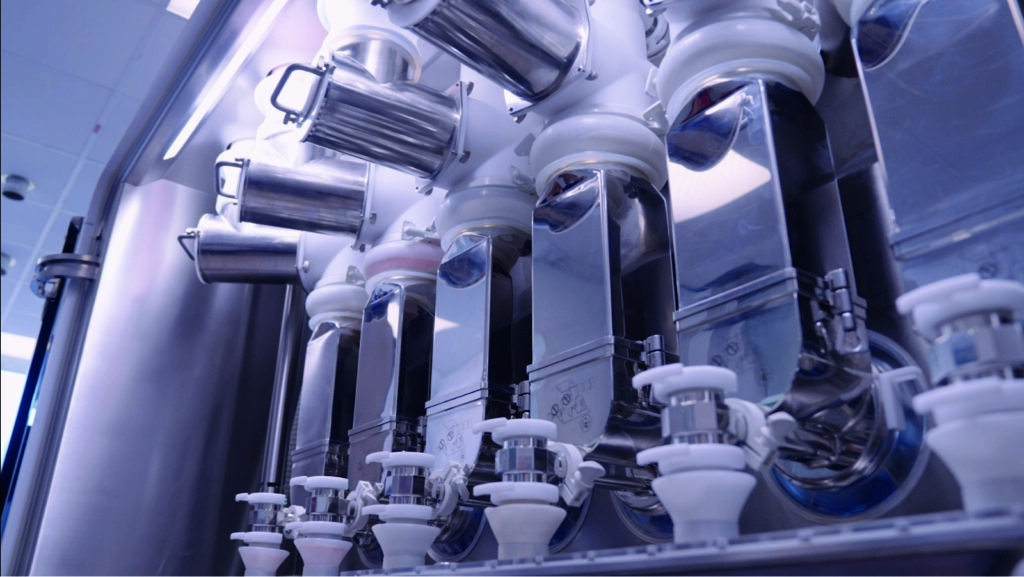
Together – from Lab to Production
Fette Compacting, of Schwarzenbek, Germany, is positioning itself as a strategic process partner for pharmaceutical manufacturers, distancing itself from the...
Read more