


Anti-static properties
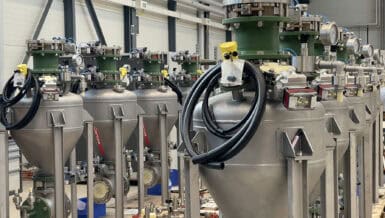
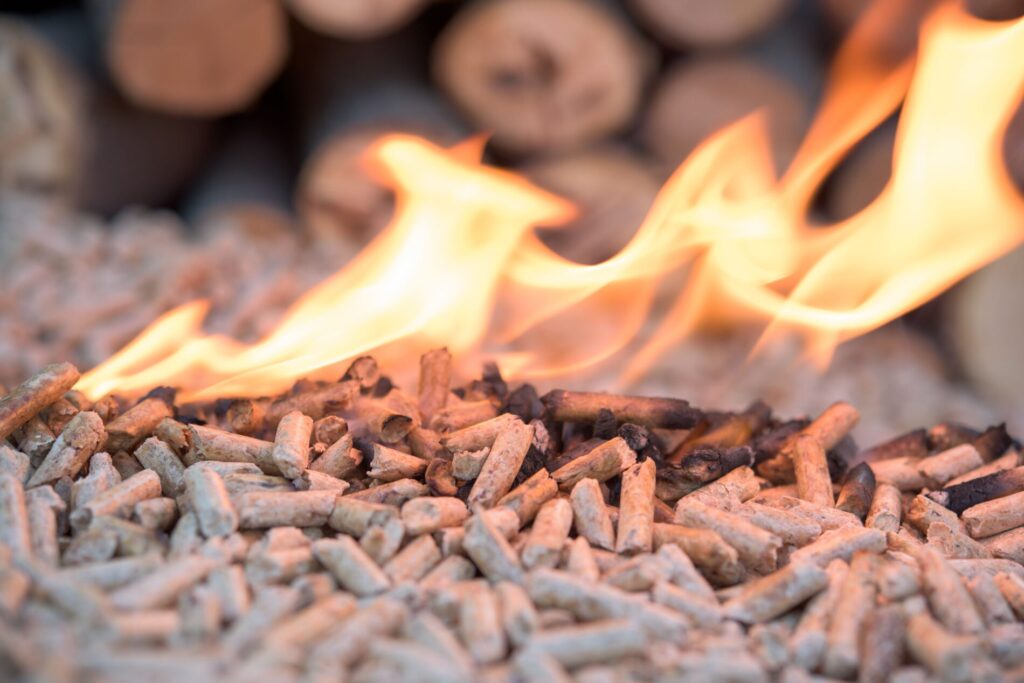
In the production process of biomass wood pellets, wood chip and similar renewable resources, the materials are continually broken down, resulting in high levels of combustible dust. This can be easily ignited by static electricity as low as 17mJ created within the conveyor system. Biomass dust is also prone to self-ignition, especially if the material has become damp because a chemical reaction can take place that causes self-heating and the emission of carbon dioxide, carbon monoxide and methane emissions, which is referred to as “off-gassing”.
Strict conformity to Directive 94/9/EC (applicable to potentially explosive atmospheres of zones 20, 21 and 22 where combustible dust is present) should be a pre-requisite. It is absolutely essential that the electrostatic dischargeability (anti-static) properties of the conveyor belt cover rubber (according to DIN EN ISO 284 test methods) do not exceed the maximum resistance value of 300 MΩ
Resistance to fire
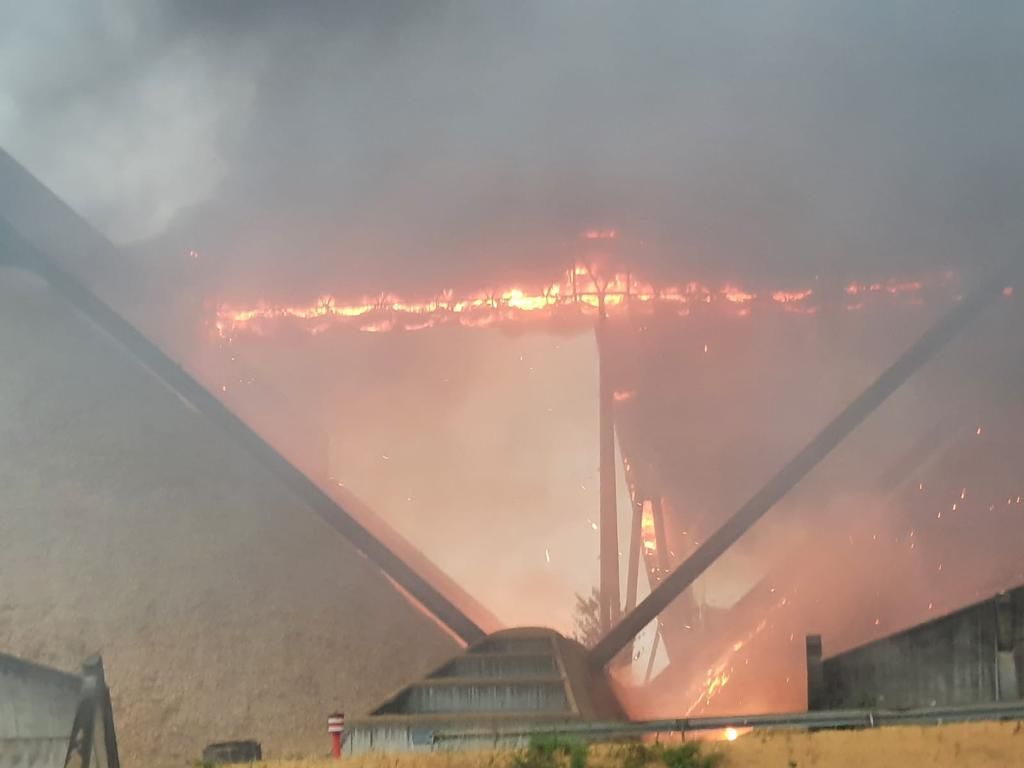
Because of the inherent fire risks associated with conveying biomass, only the best quality fire resistant belts for conveyors carrying biomass should be considered. The first thing to consider is that rubber conveyor belts can be engineered to resist fire, but they can never be totally fireproof. Rubber is flammable and the inner-ply fabrics are mostly polyester and nylon, which have virtually no resistance to fire. Once alight, they can convey flames very quickly. Worryingly, test research indicates that many bulk handling ports and terminals are using belts that, although specified as being fire resistant, would not provide sufficient protection if ignited.
The ability to ‘resist’ fire is achieved by adding special chemicals and additives such as antimony trioxide, decabromodiphenyl, alumina trihydrate and magnesiumhydroxide to the rubber compound during the mixing process. The actual amounts depend on the international standard of fire resistance required. Once fire-resistant rubber has been vulcanised and is ignited it emits gases that effectively suffocate (extinguish) the fire by starving the flames of oxygen.
Prioritising a competitive price.
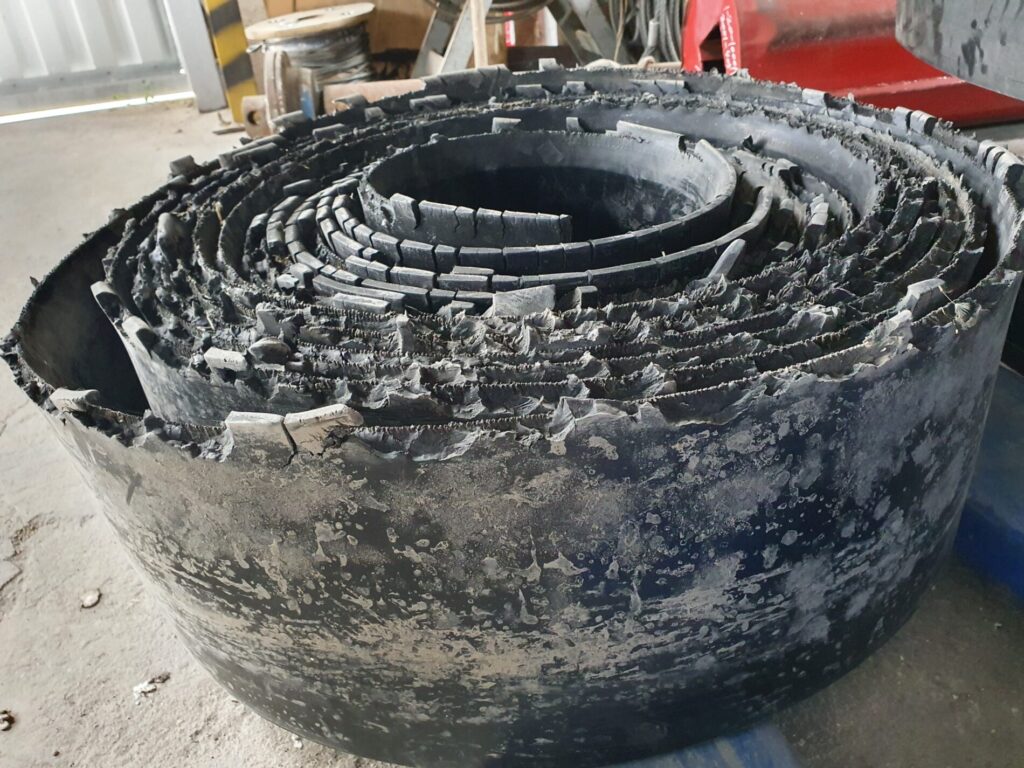
Because rubber constitutes some 50% of the raw material cost of a conveyor belt, it is the prime cost saving target for manufacturers who want to compete on price, even though they will happily claim to meet the same safety specification as premium brand versions. The special additives are costly so low grade or insufficient quantities are used in order to keep the selling price more attractive even though the ability to self-extinguish is much slower and sometimes almost non-existent.
The conveyor belt market is dominated by imports from Asia, primarily China. Performance, longevity and ultimately safety, have all become sacrificial lambs in the effort to force out the competition. The reality is that ‘economy’ versions of high-quality fire-resistant belts simply do not exist. The biggest single influence on the ability to resist fire is the fire-resistant properties of the rubber.
Testing for fire resistance
ISO 340 fire resistance testing involves exposing six individual samples of belt to a naked flame causing them to burn. The source of the flame is then removed and a current of air applied to the test piece for a specified time. The flame should not re-ignite. The time it takes for the belt sample to self-extinguish after the flame has been removed is a maximum of 15 seconds for any individual sample with a maximum cumulative duration for each group of six samples of 45 seconds with a maximum allowable average time per sample of 7.5 seconds.
This factor is of paramount importance because it effectively determines the distance that the fire can be carried by belt. A conveyor belt will easily travel several meters within the 15 seconds allowed for a belt sample to pass the test, which is potentially very dangerous. For this reason, one major European manufacturer (Fenner Dunlop in The Netherlands) applies an average maximum time limit standard of less than one second, which is more than six times faster than the required standard.
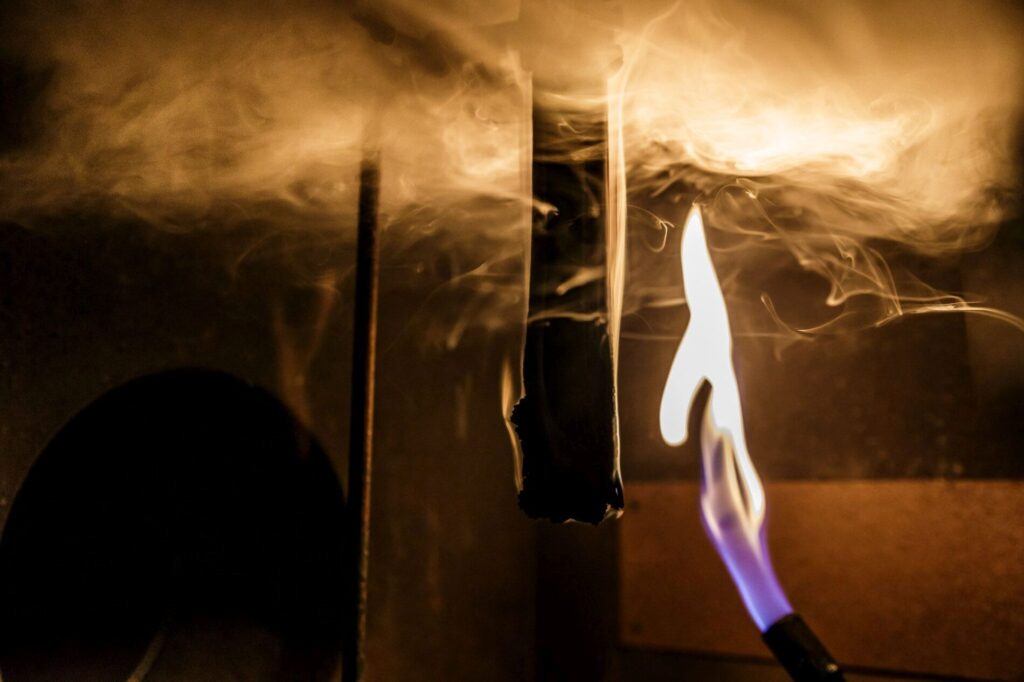
Given the highly flammable nature of biomass, EN 12882 Class 2B (S’ grade) should be regarded as the minimum standard. For enclosed conveyors the higher standard, Class 4A of EN 12882, which includes an additional fire test, is recommended.
Resistance to oils and resins
Biomass, especially the wood and wood waste content, can contain vegetable oils and resins that can have a very detrimental effect on the performance and life expectancy of a conveyor belt. When the oils and resins penetrate rubber it causes the rubber to swell and distort, resulting in serious tracking and steering problems as well as premature wear.
The level of oil and resin present depends very much on the type (origin) of the wood. For most wood from Scandinavia for example, good resistance to oil is necessary as these trees are mostly pine trees, which have high turpentine content. In South-European countries and in Latin America, Eucalyptus trees are commonly used. The wood from these trees contains little or no turpentine so oil resistance is not so essential. This is generally valid for non-pine wood such as poplar and birch. If the origin of the wood used for the biomass is uncertain then the use of conveyor belts that have a combined resistance to both fire and oil is recommended.
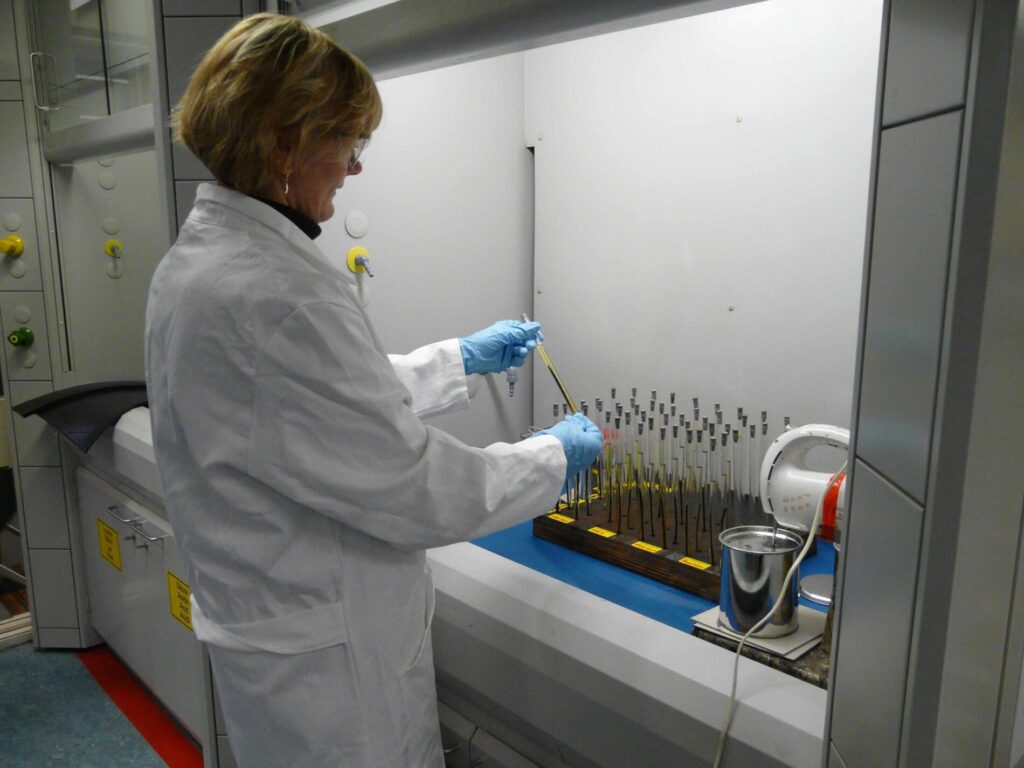
There are two recognised test methods for oil resistance, both of which involve almost identical test procedures. These are ISO 1817 and the comparable, slightly less elaborate but very stringent American ASTM ‘D’ 1460.
A word of warning here because some of the biggest manufacturers of belting in the world use the DIN reference number 22102 G when referring to oil resistant belting. This is very misleading because there are no firm requirements, test methods or limits specific to oil resistant belting associated with DIN 22102 G. This is a classic example of how simply indicating a test method reference number on the technical datasheet is designed to create the illusion of protection, but which in reality is meaningless.
Resistance to Ozone & ultraviolet
The fourth essential property of belting used to carry biomass is the ability to resist the damaging effects of ozone and ultraviolet. At low altitude ozone (O3) becomes a pollutant that attacks the molecular structure of rubber. The reaction, known as ozonolysis, increases the acidity of carbon black surfaces with natural rubber, polybutadiene, styrene-butadiene rubber and nitrile rubber being the most prone to degradation.
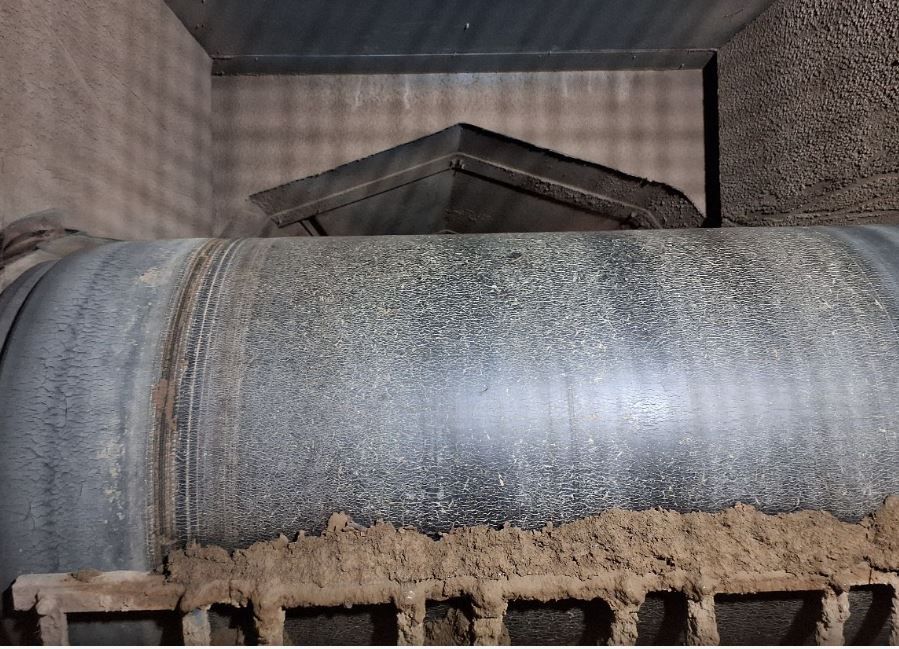
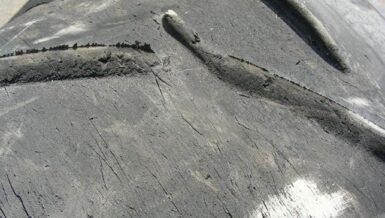
Ozonolysis begins as soon as rubber is vulcanised on the production line. The first visible sign is cracks starting to appear on the surface of the rubber. Further attacks then occur inside the freshly exposed cracks. These continue to grow steadily until they complete a ‘circuit’ and the product separates or fails. Meanwhile, resistance to wear and tensile strength diminishes while protection is compromised because oils and resins can penetrate down to the carcass via the cracks and the belt begins to distort.
Ultraviolet light from sunlight and fluorescent lighting also has a similar detrimental effect because it accelerates rubber deterioration by producing photochemical reactions that promote the oxidation of the rubber surface resulting in a loss in mechanical strength and wear resistance. Known as ‘UV degradation’, the combination with ozone seriously limits operational lifetime.
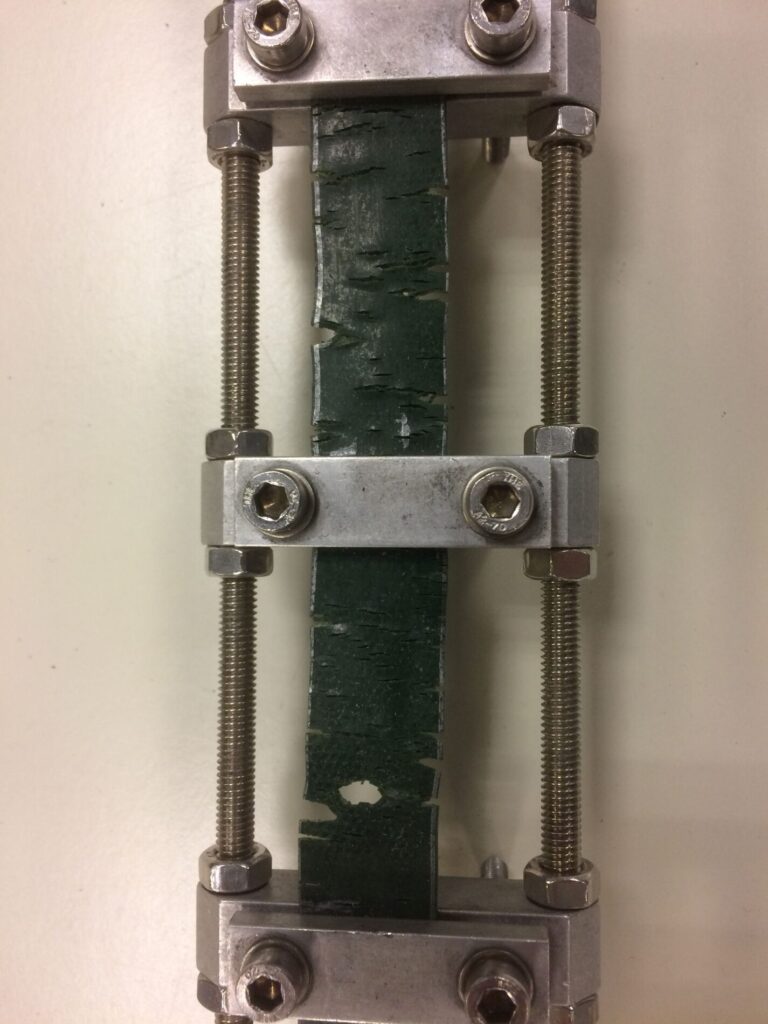
Although ozone and ultraviolet damage is easy to prevent, extensive laboratory testing shows that more than 80% of belts tested according to EN ISO 1431/1 procedure B static ozone resistance test are not resistant, with the vast majority typically starting to crack within the first 6 to 8 hours of the 96-hour test duration. This translates into cracking appearing within possibly weeks from installation. This is because the anti-ozonants needed to protect the rubber have been omitted from the rubber compound mix because of their cost and the fact that they significantly delay the need for replacement belts. Ozone & UV resistance a ‘must have’ when selecting any conveyor belts.
Not worth the risk.
Great care must always be taken when choosing belts to convey biomass because they can be a very dangerous and expensive liability if they are not of the highest standard in every respect. Beware of very competitive pricing because the price is low for a reason. Finally, always insist on a certificate of origin and certified documentation that supports the claimed specifications and standards.