




General Measure AF-50K Bagging Scale – Fully Upgraded Granular Packing Solution for the Fertilizer Industry
In fertilizer production, efficiency and durability are not optional—they are essential. Designed to withstand the harsh working conditions and complex...
Read more
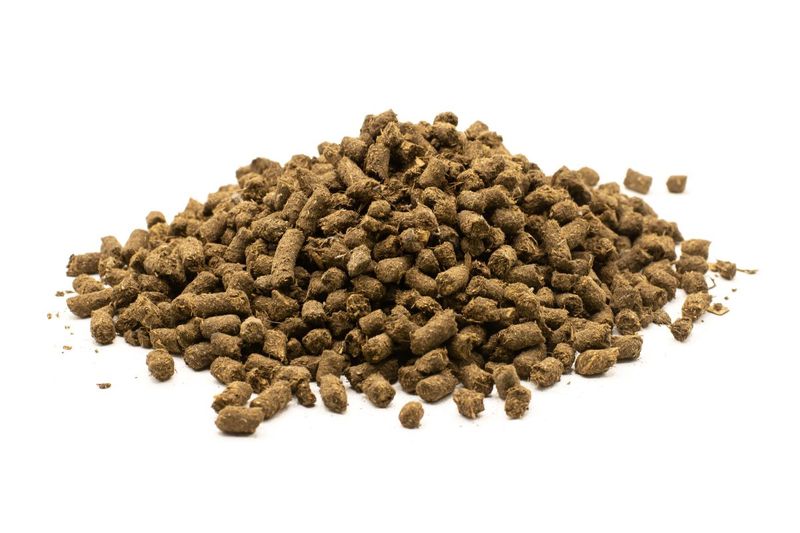
316 Stainless Handcrank Rollergate Handling Pelletized Organic Fertilizer
Pelletized organic fertilizer provides an eco-friendly way to enrich soil with a slow, consistent release of vital nutrients. Its granular...
Read more
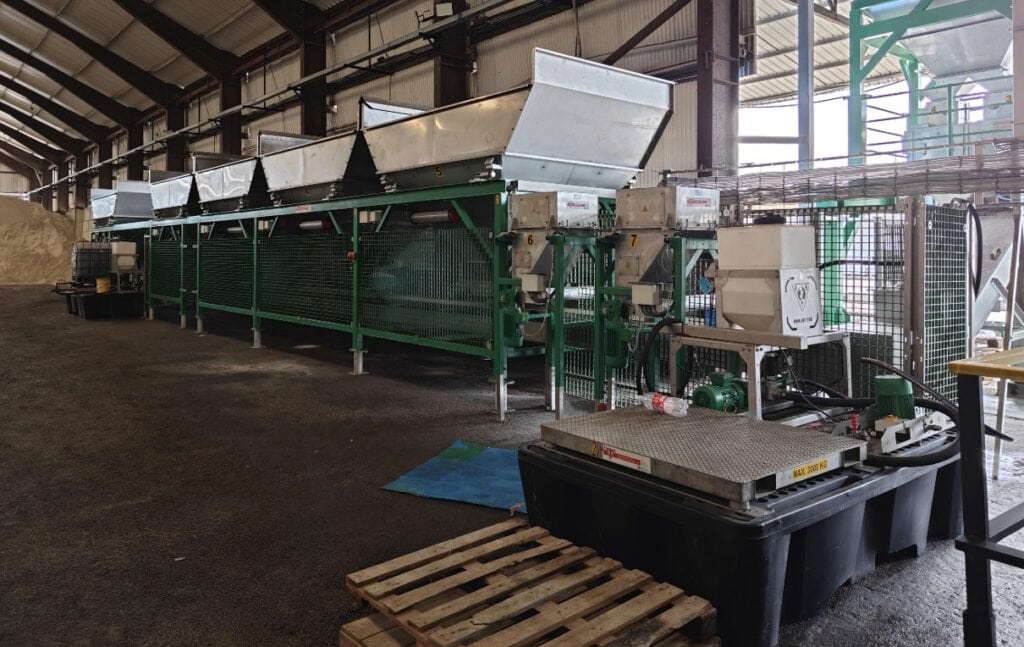
Blending with Purpose: A Practical View on Fertilizer Processing
At EMT, blending is not something we just manufacture machines for, it is a process we deeply understand. Over the...
Read more
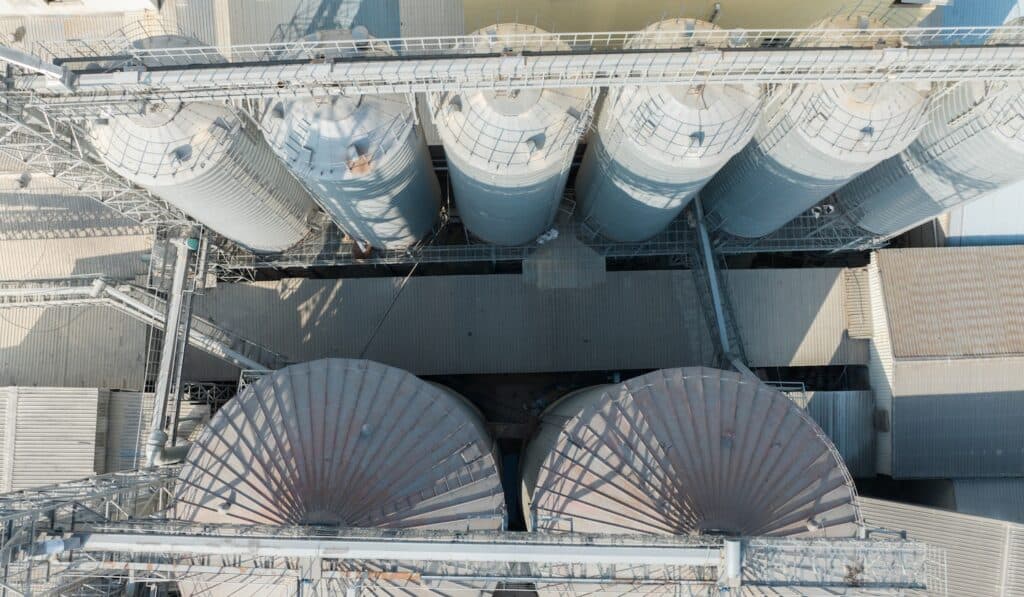
Advancing Fertilizer Processing: Innovations, Safety and Challenges
Fertilizer production is an essential industry that sustains global agriculture by delivering the nutrients required for healthy crop growth. With...
Read more

Packaging Solutions for the Widest Possible Range of Potting Soils
The market for potting soils such as peat, humus and alternative plant substrates is growing. The BEUMER Group supplies tailor-made...
Read more




Managing The Hazards of Fertilizer
Fertilizers are vital to modern agriculture, enhancing plant growth and improving crop yields. However, handling and storing these materials can...
Read more

Vortex Pivoting Chute and Seal Tite Diverters Assist with Urea Prills Production
Looking to revamp their agricultural production game, this fertilizer manufacturer had big plans for their facility!
Read more
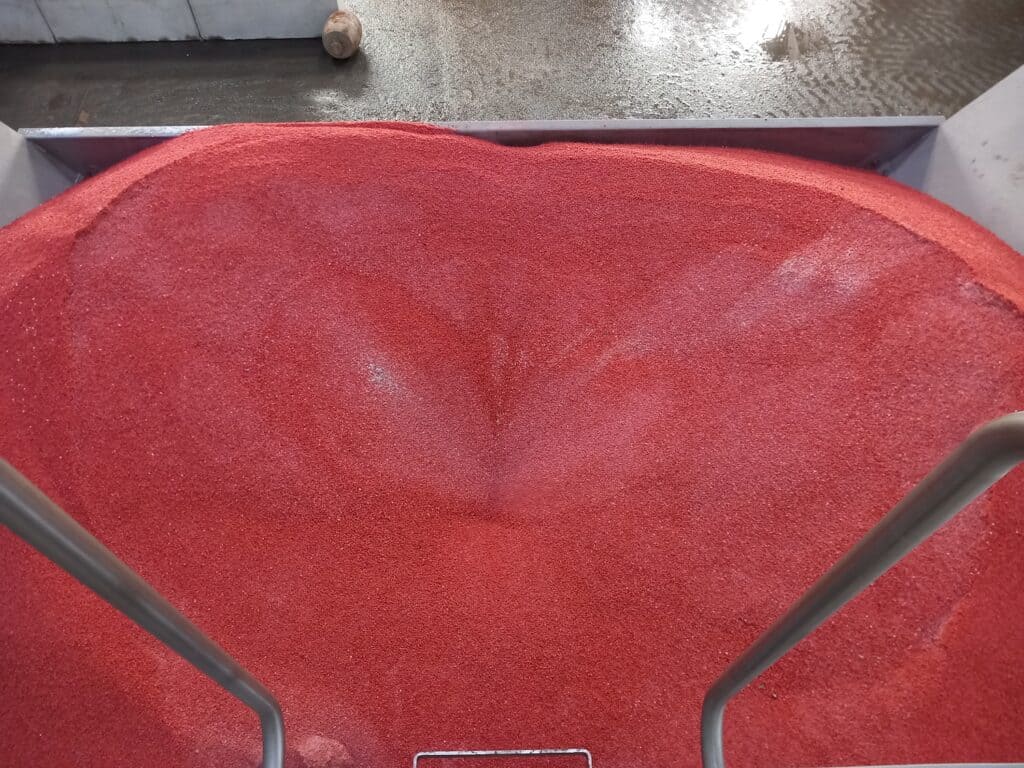
EMT Installs State Of The Art Fertilizer Handling Factory in La Rochelle, France.
In the first quarter of 2023, EMT successfully installed a state-of-the-art Urea treating, NPK blending, sieving, and coating line for...
Read more

Deusa Relies On an Innovative Dryer System To Increase Efficiency
The customer DEUSA International GmbH is a potash company rich in tradition, which supplies innovative products and successfully opens up...
Read more

Indirect Cooling Solutions Paves Path To World-Class Granulated Calcium Ammonium Nitrate
Novomoskovskiy Azot (NAK Azot) is one of Russia’s largest chemical enterprises. It operates a highly upgraded and modernized facility that...
Read more
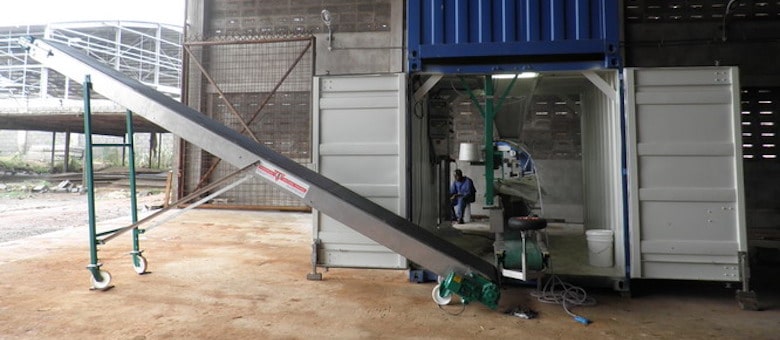
Filling Small Bags
Small bags used for storing fertilizer usually have a storage capacity of between 20 - 50 kg.
Read more
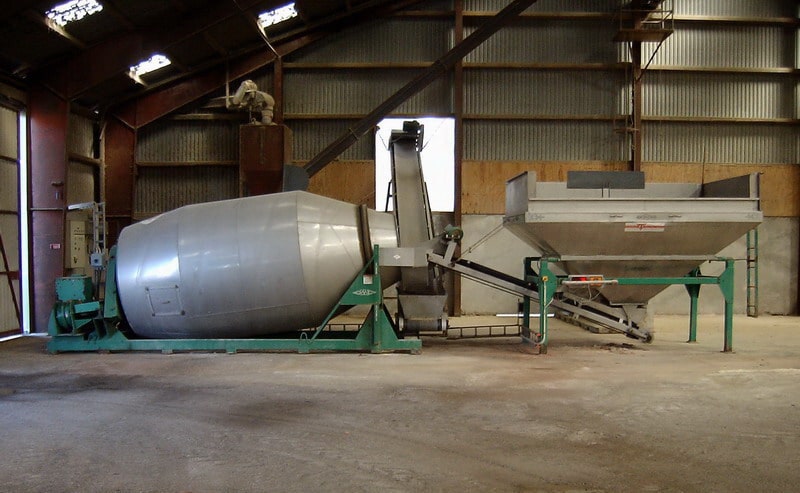
The Perfect Blend
Blending plants are usually constructed close to farmers, so that blended fertilizer is easily accessible. These plants save costs and...
Read more


